Avocados are a beloved staple in many kitchens, celebrated for their creamy texture and versatility. Whether you enjoy them in a salad, as guacamole, or just on toast, keeping avocados fresh can sometimes be a challenge. Fortunately, with a few simple tricks, you can extend the life of your avocados and ensure they stay delicious and vibrant.
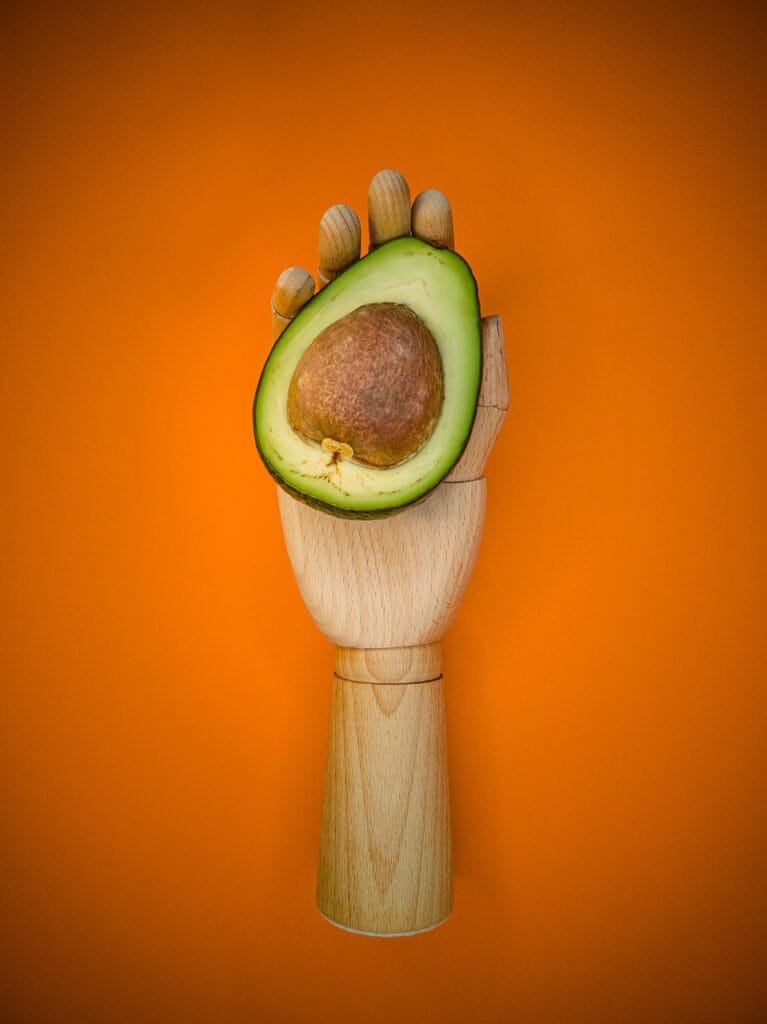
The Art of Storing Whole Avocados
1. Unripe Avocados:
Unripe avocados are firm and will ripen over time. To get them to the perfect ripeness:
- Room Temperature: Store them on your kitchen counter. This will allow the natural ripening process to occur. Expect this to take about 4-7 days.
- Speeding Up Ripening: If you’re in a hurry, place the avocado in a brown paper bag with an apple or banana. These fruits emit ethylene gas, which speeds up the ripening process. Check daily to avoid overripening.
2. Ripe Avocados:
Once your avocados reach the desired ripeness, they should be stored properly to extend their shelf life:
- Refrigeration: Move ripe avocados to the refrigerator. The cool temperature will slow down the ripening process and keep the fruit fresh for 3-5 more days.
Mastering the Art of Storing Cut Avocados
Storing whole avocados properly is key to ensuring they reach their peak ripeness at the right moment. For avocados that are not yet ripe, keep them at room temperature, ideally on a countertop away from direct sunlight. This allows the fruit to naturally ripen over several days, typically 4-7 days depending on its initial firmness. If you’re looking to accelerate the ripening process, placing the avocado in a brown paper bag with an apple or banana can help; the ethylene gas produced by these fruits speeds up ripening.
Once the avocado has reached the desired ripeness, transfer it to the refrigerator. The cool environment slows down the ripening process, allowing the avocado to remain fresh for an additional 3-5 days. By mastering this simple art of storage, you can enjoy perfectly ripe avocados right when you need them, without the frustration of finding them either too hard or too mushy.
Cut avocados can quickly become brown and unappetizing if not stored correctly. Here’s how to maintain their freshness:
1. Preventing Browning:
- Lemon or Lime Juice: Brush or drizzle the cut surface with lemon or lime juice. The citric acid helps prevent oxidation, which causes browning.
- Plastic Wrap: Press a piece of plastic wrap directly onto the exposed flesh. This minimizes air exposure and slows down browning.
2. Proper Storage:
- Airtight Container: Place the wrapped avocado halves or pieces in an airtight container. This additional layer of protection helps prevent the fruit from drying out and maintains its quality.
Freezing Avocados for Long-Term Storage
Effectively storing cut avocados requires a few key steps to maintain their freshness and prevent browning. After slicing or cutting an avocado, the exposed flesh is prone to oxidation, which leads to discoloration. To counteract this, immediately brush or drizzle the cut surface with lemon or lime juice. The acidity of these citrus fruits acts as a natural preservative, slowing down the oxidation process and keeping the avocado’s vibrant green color intact.
Next, wrap the avocado halves tightly with plastic wrap, ensuring that the wrap is in direct contact with the flesh to minimize air exposure. Place the wrapped avocado in an airtight container for added protection. Store it in the refrigerator where it will stay fresh for up to 1-2 days. These steps are crucial for preserving the creamy texture and flavor of your avocado, allowing you to enjoy it at its best even after it’s been cut.
When avocados are in season and plentiful, or if you’ve got a surplus, freezing them is a great way to keep them fresh for later use.
1. Preparation:
- Peel and Pit: Remove the skin and pit. For ease of use, consider mashing the avocado with a bit of lemon or lime juice mixed in. This can help retain flavor and color.
- Portioning: For convenience, portion out mashed avocados or slices in amounts suitable for your needs.
2. Freezing:
- Freezer Bags or Containers: Place the avocado in a freezer-safe bag or airtight container. Flatten the bag to remove excess air, which helps prevent freezer burn.
- Label and Date: Write the date on the bag or container. Frozen avocados are best used within 6 months.
3. Thawing:
- Refrigerator Method: Move the frozen avocado to the refrigerator to thaw overnight. This gradual thawing helps preserve texture and flavor. While the texture may be slightly different from fresh, thawed avocados are perfect for smoothies, spreads, and cooking.
Additional Tips for Optimal Freshness
Maintaining the freshness of avocados requires attention to a few additional details beyond basic storage techniques. First, avoid exposing avocados to direct sunlight or excessive heat, as these conditions can accelerate ripening and spoilage. Instead, keep them in a cool, dry place if they’re unripe, and in the refrigerator once they’ve reached the desired ripeness.
Regularly monitor your avocados for signs of over-ripening. A ripe avocado should yield slightly to gentle pressure but should not feel mushy. If you notice any dark, soft spots on the skin, it’s a sign that the fruit is past its prime. For cut avocados, always use clean utensils to prevent contamination, and ensure that the flesh is covered completely to prevent it from drying out.
Finally, if you have a large quantity of avocados and want to store them for a longer period, consider freezing them. Freezing is best suited for avocados that are mashed or sliced, and it’s an excellent way to preserve their flavor and nutritional value. By following these tips, you can maximize the shelf life of your avocados and enjoy their creamy goodness at any time.
- Avoid Direct Sunlight: Store avocados away from direct sunlight, which can accelerate ripening and spoilage.
- Monitor Ripeness: Regularly check your avocados to ensure they’re used at their peak ripeness. Overripe avocados can develop an off flavor and texture.
How to Tell When Your Avocado is Perfectly Ripe
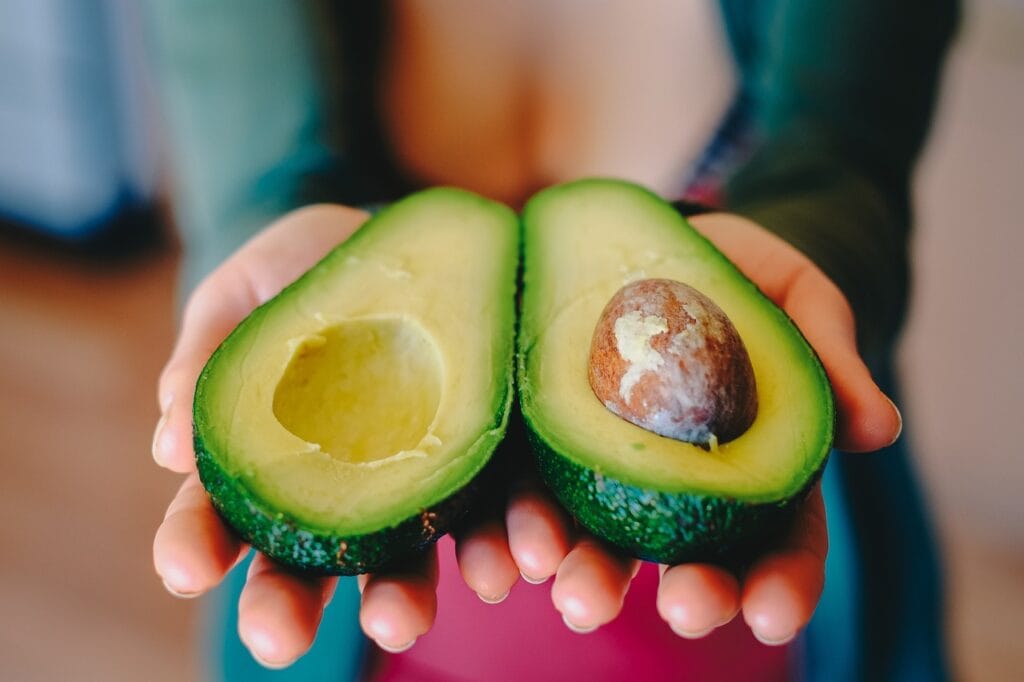
Determining the perfect ripeness of an avocado involves a combination of visual and tactile cues. A ripe avocado typically has a deep green to nearly black skin, depending on the variety. The surface should feel slightly soft to the touch but not mushy. Gently press the avocado with the heel of your hand—if it yields to firm, gentle pressure without leaving an indentation, it’s ready to eat. Be cautious not to press too hard, as this can cause bruising.
Another reliable indicator is the stem test. Flick off the small stem or cap at the top of the avocado. If it comes away easily and you see vibrant green underneath, the avocado is ripe. If the area underneath the stem is brown or dark, the fruit may be overripe. This method helps you gauge the ripeness without cutting into the avocado, ensuring you can enjoy it at its peak.
Lastly, consider the timing. Generally, an avocado will take about 4-7 days to ripen at room temperature. If you want to test ripeness before the fruit becomes too soft, use the timing of your purchase as a reference. For avocados stored in the refrigerator, they should be checked regularly as the cooling process can slow down ripening. By using these techniques, you can confidently choose avocados that are perfectly ripe and ready for your culinary creations.
Common Mistakes to Avoid When Storing Avocados
One common mistake in storing avocados is keeping them in direct sunlight or heat. Exposure to sunlight or high temperatures can speed up the ripening process, causing avocados to become overripe or spoil more quickly. To avoid this, store unripe avocados in a cool, shaded area and transfer ripe avocados to the refrigerator as soon as they reach the desired softness. This simple adjustment helps maintain their quality and prolongs their freshness.
Another error is improper wrapping of cut avocados. Simply placing cut avocado halves in the refrigerator without proper coverage can lead to rapid browning due to oxidation. Ensure that you wrap the cut avocado tightly with plastic wrap, pressing the wrap directly onto the exposed flesh to minimize air contact. Using an airtight container in conjunction with the plastic wrap further helps to maintain the avocado’s freshness and texture.
Lastly, freezing avocados without proper preparation can also be problematic. Freezing whole avocados or improperly prepared slices can result in a change in texture and flavor. To avoid this, peel and pit avocados before freezing and consider mashing them with a bit of lemon or lime juice to preserve their color and taste. Store the prepared avocado in a freezer-safe bag or container with as much air removed as possible. By avoiding these common pitfalls, you can enjoy avocados at their best, whether fresh or frozen.
By following these tips, you can enjoy fresh avocados whenever you want. From proper storage methods to effective freezing techniques, keeping avocados fresh is all about understanding the ripening process and taking preventive measures to maintain their quality. With these strategies in hand, you’ll be able to make the most of your avocados and savor their creamy goodness for days to come. Try it with cornflakes.
Three quick and delicious recipes featuring avocado:
1. Avocado Toast
Ingredients:
- 1 ripe avocado
- 2 slices of whole-grain or sourdough bread
- 1 tablespoon lemon or lime juice
- Salt and pepper to taste
- Optional toppings: cherry tomatoes, radishes, red pepper flakes, microgreens
Instructions:
- Toast the bread slices to your desired crispiness.
- While the bread is toasting, cut the avocado in half, remove the pit, and scoop the flesh into a bowl.
- Mash the avocado with a fork, then mix in the lemon or lime juice, and season with salt and pepper.
- Spread the mashed avocado evenly over the toasted bread.
- Add optional toppings like cherry tomatoes, radishes, or a sprinkle of red pepper flakes for extra flavor and crunch.
2. Quick Guacamole
Ingredients:
- 2 ripe avocados
- 1 small onion, finely diced
- 1 small tomato, diced
- 1 clove garlic, minced
- 1 tablespoon lime juice
- Salt and pepper to taste
- Optional: chopped cilantro, diced jalapeño for heat
Instructions:
- Cut the avocados in half, remove the pits, and scoop the flesh into a bowl.
- Mash the avocado with a fork, leaving some chunks for texture.
- Add the diced onion, tomato, minced garlic, and lime juice.
- Season with salt and pepper to taste. Mix in optional ingredients like cilantro or jalapeño if desired.
- Serve immediately with tortilla chips, or use as a topping for tacos or salads.
3. Avocado and Egg Breakfast Bowl
Ingredients:
- 1 ripe avocado
- 2 eggs
- 1 cup cooked quinoa or brown rice
- Salt and pepper to taste
- Optional: hot sauce, chopped herbs (such as chives or parsley), crumbled feta cheese
Instructions:
- Prepare quinoa or brown rice according to package instructions.
- In a non-stick skillet, cook the eggs to your liking (fried, scrambled, or poached).
- Slice the avocado and place it on top of the cooked quinoa or rice in a bowl.
- Add the cooked eggs on top of the avocado.
- Season with salt and pepper, and add optional toppings like hot sauce, herbs, or feta cheese for extra flavor.
These recipes are not only quick to prepare but also showcase the versatility and deliciousness of avocados in different ways. Enjoy!
