Superstitions are everywhere. They creep into our daily routines without us even realizing it. Whether it’s knocking on wood, avoiding black cats, or never opening an umbrella indoors, these small rituals have deep roots in history, culture, and human psychology. What makes them fascinating isn’t just that they persist—but why they persist. In this article, we’ll dive into the strange and surprising world of superstitions, explore some stories from real life, and discover how these seemingly trivial habits shape our everyday lives.
1. Knocking on Wood: More Than Just a Habit
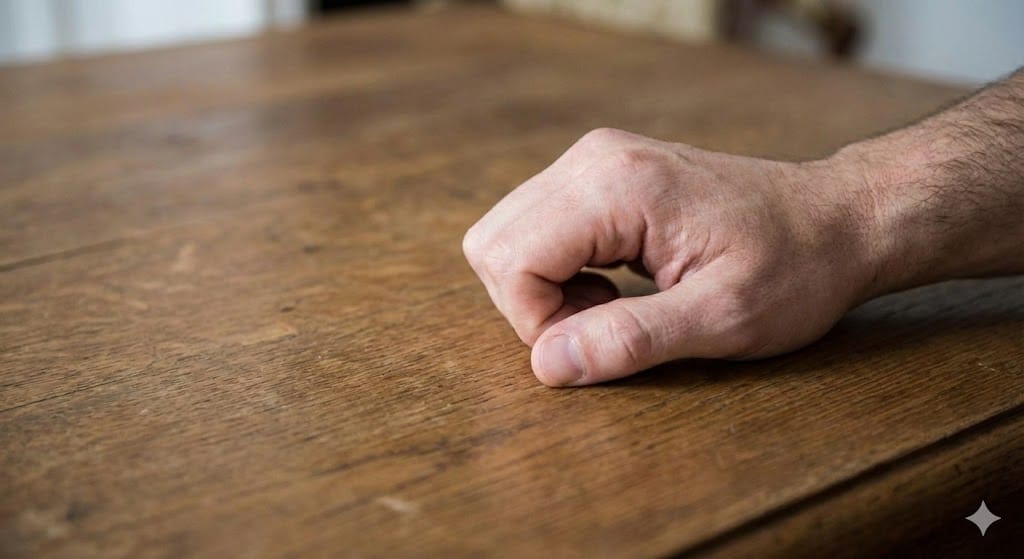
If you’ve ever mentioned something positive—like landing a new job, winning a game, or even hoping for good weather—and then instinctively knocked on a wooden surface, you’re following a superstition that goes back thousands of years.
The tradition of knocking on wood comes from ancient European cultures, particularly the Celts. They believed that trees housed spirits who could offer protection. By knocking on a tree, people would call upon these spirits to guard them against bad luck or jinxes.
But why wood specifically? Trees were seen as sacred, strong, and unyielding—symbolic of stability and safety. Knocking on wood was a way to invite these protective spirits into our everyday moments.
Anecdote #1: My friend Jake is a classic example of this superstition in action. Last year, he told his boss, “I think I’ll get promoted this year,” and immediately knocked on his desk. A week later, he received the promotion. Was it coincidence or a little help from the “wood spirits”? Jake now knocks on wood before even ordering his morning coffee—just in case.
Interestingly, in some cultures, the superstition is reversed. In Turkey, for example, instead of knocking on wood, people spit three times over their left shoulder to avoid bad luck after boasting.
“Just like small daily habits can quietly improve our quality of life, following harmless superstitions—whether knocking on wood or arranging objects a certain way—can subtly shape our routines and add a touch of comfort to daily life.”
– See more on Small Daily Habits That Improve Quality of Life Over Time
2. Avoiding Walking Under Ladders
Walking under a ladder is considered bad luck worldwide—but the origin is surprisingly practical. In medieval times, a ladder leaning against a wall formed a triangle, which represented the Holy Trinity. Passing through this triangle was seen as breaking a sacred shape and inviting misfortune.
Beyond religious symbolism, walking under ladders was physically dangerous. People recognized the risk of falling objects long before modern safety regulations existed. So, the superstition likely started as a way to keep people safe—wrapped in spiritual reasoning to make it stick.
Anecdote #2: Sarah, a college student, is super cautious about ladders. During a campus renovation, she had to dash past a ladder left in the middle of a hallway. She muttered, “Okay, universe, I’m taking my chances!” and hurried through—only to trip on a loose brick nearby. Ever since, she’s even more careful, claiming the superstition “probably saved her life” in a weird way.
Interestingly, some cultures have unique takes on this superstition. In Italy, it’s considered unlucky to see a ladder leaning against a wall without a purpose. In Egypt, the triangle symbolism was also linked to pyramids and sacred geometry, showing that even distant cultures often attach mystical meaning to similar shapes.
3. Black Cats: Bad Luck or Bad Reputation?
Few superstitions are as well-known as black cats crossing your path. In Western culture, black cats are often linked to witches, bad luck, or misfortune. But in other parts of the world, the story is very different.
In Japan, black cats are considered lucky and even believed to attract wealth and prosperity. In Scotland, a black cat appearing at your home is a good omen.
So why the negative connotation in Western culture? During the Middle Ages, black cats were often associated with witches’ familiars—animals thought to serve and protect witches. Superstition spread rapidly, and black cats became an easy scapegoat for unexplained misfortune.
“Superstitions often remind us to pause and pay attention to the little things, much like the practices discussed in ‘Beyond Happiness: Learn How to Be Content with Life,’ where mindfulness and reflection bring calm and satisfaction into everyday moments.”
– Read more at Beyond Happiness: Learn How to Be Content with Life
Anecdote #3: My neighbor once adopted a black cat named Midnight. Despite warnings from older family members, Midnight quickly became the luckiest pet in the neighborhood. He never lost a game of “hide and seek,” always caught the toy mouse first, and even helped his owner win a local lottery drawing. Now, Midnight is the celebrity cat in their town, completely defying superstition.
4. Mirrors: Why Breaking One is Considered Bad Luck
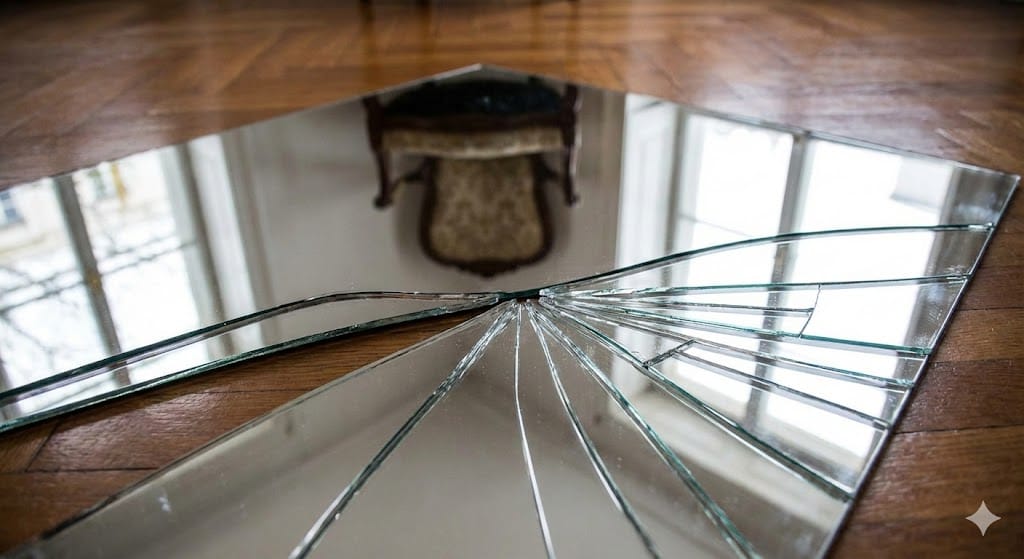
Breaking a mirror is said to bring seven years of bad luck—but where did this idea come from? In ancient Rome, mirrors weren’t just decorative; they were expensive, handcrafted tools considered to hold fragments of the soul. Breaking a mirror was thought to damage the soul, hence the seven-year curse.
The number seven often comes up in superstitions. It’s been considered magical and significant in many cultures—from seven wonders of the world to seven days in a week. Combining the sacred number with a broken mirror made for a potent warning.
People still avoid broken mirrors today, often discarding them carefully instead of simply tossing them in the trash. Some cultures, like the Chinese, believe shattered mirrors bring “negative energy,” further showing how superstition often mixes history, culture, and spirituality.
5. Friday the 13th: Fear of the Unlucky Number
Many of us dread Friday the 13th. This fear even has a name: paraskevidekatriaphobia. But why 13? In Western culture, it likely stems from Christian tradition. The Last Supper had 13 attendees, with Judas—betrayer of Jesus—being the 13th to sit at the table.
Friday was considered unlucky as well, possibly because Jesus was crucified on a Friday. Combining the unlucky number with an unlucky day gave us one of the most enduring superstitions in modern culture.
Interestingly, not all cultures view 13 as unlucky. In Italy, 13 is considered lucky, while 17 is the true unlucky number. Fear of Friday the 13th may seem irrational, but it’s a prime example of how stories and beliefs shape behavior—even if logic says otherwise.
6. Everyday Superstitions You Might Be Following Without Knowing
The fascinating thing about superstitions is how subtly they influence behavior. Consider these examples:
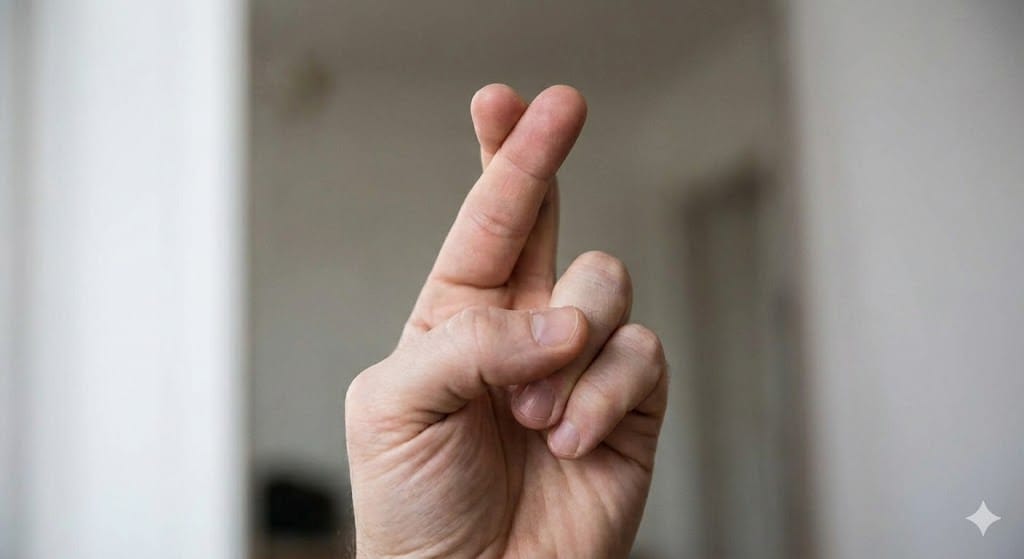
- Crossing your fingers for luck before an exam.
- Tossing salt over your shoulder after spilling it.
- Avoiding opening umbrellas indoors.
- Stepping over cracks in the sidewalk to avoid “breaking your mother’s back.”
These practices are often subconscious. Even people who say they don’t believe in superstitions find themselves following them when nervous, excited, or hopeful.
Anecdote #4: I once had a coworker, Emily, who always arranged her pens in a perfect line on her desk before giving a presentation. She claimed it was for “focus and luck.” One day, she forgot—and the presentation was a disaster. Now, she swears by her ritual, convinced it actually works, despite everyone else laughing.
7. Why Do Superstitions Persist?
Superstitions persist for several reasons:
- Psychology: They give people a sense of control. Even if the outcome is random, rituals make us feel like we can influence fate.
- Cultural Reinforcement: Stories, movies, and family traditions reinforce superstitions over generations.
- Confirmation Bias: We remember the times rituals “worked” and forget the times they didn’t.
- Community: Shared superstitions can strengthen social bonds and identity.
Even in a modern, science-driven world, these factors keep superstitions alive—proving that human nature loves mystery, patterns, and small rituals.
8. The Fun of Superstitions
The beauty of superstitions isn’t in their logic—it’s in the fun and ritual they bring. They create small, magical moments in everyday life. Some superstitions even inspire creativity, storytelling, or bonding with friends and family.
Whether it’s carrying a lucky charm, wearing a “winning” outfit, or avoiding that ladder, superstitions add a little spice to the mundane. And sometimes, they lead to funny stories, like Jake’s promotion or Midnight the black cat’s lottery luck.
“While we may follow quirky rituals like avoiding ladders or stepping over cracks, connecting with others in intentional ways—similar to using the right tools outlined in ‘The 20 Top Apps for Building Meaningful Connections’—remains a powerful way to improve our daily experiences.”
– Explore more at The 20 Top Apps for Building Meaningful Connections
Final Thoughts
Next time you knock on wood, avoid a ladder, or give a black cat a wary glance, remember: there’s history behind these habits, and they can be surprisingly entertaining. Superstitions are more than silly rules—they are glimpses into human psychology, history, and culture. They show our enduring love for rituals, hope, and a little magic in our everyday lives.
So go ahead, follow a superstition or two—laugh at the weirdness, tell a story, and maybe, just maybe, invite a little luck into your day.