In early March 2025, West Texas finds itself at the epicenter of a troubling public health development: a significant surge in bird flu cases, specifically the H5N1 strain of highly pathogenic avian influenza (HPAI). This outbreak, initially detected in wild birds and poultry, has rapidly escalated, spilling over into dairy cattle and raising alarms about its potential implications for human health.
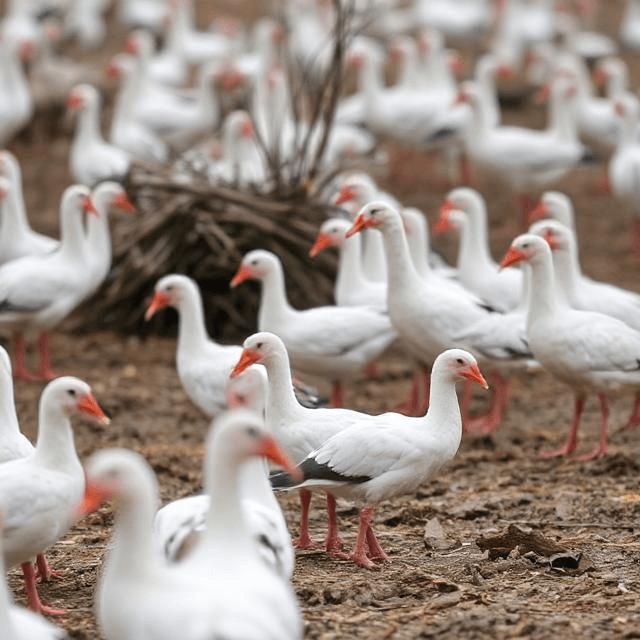
As of March 05, 2025, the region is grappling with an unprecedented wave of infections that has strained local resources and prompted urgent calls for enhanced surveillance and containment measures. This article explores the origins of this surge, its current scope, the risks it poses to public health, and the broader consequences for both the region and the nation.
The Outbreak’s Origins: From Birds to Broader Impact
The H5N1 strain of bird flu is no stranger to the global stage, having circulated among wild bird populations for decades and periodically causing devastating outbreaks in poultry. However, its recent surge in West Texas marks a significant shift, both in scale and scope. The outbreak’s roots can be traced to late 2024, when migratory birds—natural reservoirs for the virus—began arriving in the region during their seasonal journey south. These wild birds, particularly waterfowl like ducks and geese, are known to shed the virus in their droppings, feathers, and saliva, contaminating environments shared with domestic poultry and other animals.
By January 2025, the Texas Animal Health Commission (TAHC) had confirmed H5N1 in multiple poultry operations across West Texas, including in counties like Lubbock and Potter. The virus’s high pathogenicity meant that entire flocks faced rapid mortality, necessitating mass culling to curb its spread—an effort that saw millions of birds destroyed in a matter of weeks. What set this outbreak apart, however, was its unexpected leap to dairy cattle, a development first noted in the Texas Panhandle in March 2024 but now intensifying in West Texas. By early March 2025, unpasteurized milk samples from sick cows in the region tested positive for H5N1, signaling a new vector for transmission and raising concerns about the virus’s adaptability.
This cross-species jump is believed to have occurred through indirect exposure—cattle likely came into contact with contaminated water or feed linked to infected birds. The discovery of H5N1 in wastewater from cities like Lubbock and Amarillo further suggests that the virus is circulating widely in the environment, amplifying the risk of exposure to both animals and humans. Experts point to the region’s agricultural density, with its mix of poultry farms, dairy operations, and proximity to migratory flyways, as a perfect storm for this surge. The situation has escalated quickly, with reported cases in cattle doubling within a month and human infections beginning to emerge among farmworkers, marking a critical turning point in the outbreak.
Current Scope: A Region Under Siege
As of March 05, 2025, the scale of the bird flu surge in West Texas is staggering. The TAHC reports that over 50 dairy herds across the region have been affected, with infection rates in some herds reaching 20% or higher. Poultry losses are equally dire, with an estimated 3 million birds culled or dead from the virus in West Texas alone since January. Wastewater surveillance, conducted by researchers from the University of Texas Health Science Center, has detected H5N1 in 9 out of 10 monitored cities in the region, indicating pervasive environmental contamination. This data aligns with a sharp uptick in veterinary reports of sick animals, including not just poultry and cattle but also farm cats and wild mammals like skunks, which have tested positive for the virus.
Human cases, while still rare, are a growing concern. Since the first confirmed human infection in Texas—a dairy worker in March 2024—the state has documented 15 additional cases by early 2025, with 10 linked directly to West Texas. These individuals, primarily farmworkers with close contact to infected animals, have presented with mild symptoms such as conjunctivitis (eye redness), fever, and respiratory distress. The Centers for Disease Control and Prevention (CDC) notes that these cases remain sporadic, with no evidence of sustained human-to-human transmission. However, a study from the University of Texas Medical Branch suggests that the true number of infections may be higher, as blood samples from dairy workers show antibodies to H5N1 in up to 7% of those tested, hinting at undetected or asymptomatic cases.
The surge has overwhelmed local response capacity. Veterinary clinics report shortages of testing kits, while public health officials struggle to trace exposures amid a workforce stretched thin by years of post-pandemic fatigue. The Texas Department of State Health Services (DSHS) has issued alerts urging clinicians to screen for H5N1 in patients with flu-like symptoms and animal exposure, but rural areas—where many of these cases are concentrated—lack the infrastructure to respond effectively. The outbreak’s rapid spread has also disrupted the agricultural economy, with egg prices spiking 30% and milk production dipping as infected herds are quarantined or culled.
Public Health Risks: A Tenuous Balance
The surge in West Texas poses immediate and long-term risks to public health, though the CDC maintains that the threat to the general population remains low as of March 2025. The primary concern is the virus’s potential to mutate as it spreads among mammals, particularly cattle. Each infection in a new host provides an opportunity for genetic reassortment—a process where H5N1 could acquire traits from seasonal flu viruses, potentially enabling it to spread more easily among humans. While current strains show no signs of such adaptation, the sheer volume of cases in West Texas increases the odds of a dangerous mutation emerging.
For those in direct contact with infected animals, the risk is more immediate. Farmworkers, veterinarians, and poultry handlers face heightened exposure, often without adequate protective equipment. Reports from the region indicate that many employers have failed to provide goggles, N95 masks, or gloves, leaving workers vulnerable to infection via the eyes, mouth, or respiratory tract. The CDC has updated its guidelines, recommending full personal protective equipment (PPE) and antiviral prophylaxis like oseltamivir (Tamiflu) for at-risk groups, but compliance remains spotty, particularly in smaller operations. The socioeconomic barriers—lack of health insurance, fear of job loss, and limited access to care—further complicate efforts to identify and treat cases among these workers.
Beyond occupational risks, the outbreak raises questions about food safety. While pasteurization neutralizes H5N1 in milk, the detection of the virus in unpasteurized samples has fueled concerns about raw milk consumption, a niche but growing practice in Texas. The U.S. Department of Agriculture (USDA) assures that commercial milk and meat supplies are safe, as infected products are diverted from the food chain. However, the environmental spread of the virus—evidenced by its presence in wastewater—suggests a broader ecological risk, potentially affecting wildlife and companion animals that could serve as additional transmission vectors.
The psychological toll is also mounting. Communities in West Texas, already battered by wildfires and economic uncertainty, now face heightened anxiety over health and livelihoods. Public health messaging has struggled to strike a balance between vigilance and reassurance, with some residents dismissing the threat as overblown while others hoard supplies in fear of a new pandemic. This polarization echoes the societal fractures of the COVID-19 era, complicating efforts to mobilize a unified response.
Broader Implications: A Call to Action
The bird flu surge in West Texas is a wake-up call for national and global health systems still reeling from the pandemic. Experts warn that the outbreak underscores the fragility of zoonotic disease surveillance, particularly in agricultural hubs where human, animal, and environmental health intersect. The region’s experience highlights critical gaps: underfunded rural healthcare, inadequate worker protections, and a reactive rather than proactive approach to emerging pathogens. If H5N1 were to evolve into a more transmissible form, the consequences could mirror or exceed those of past influenza pandemics, with West Texas serving as ground zero.
Immediate action is underway but faces hurdles. The USDA and TAHC have ramped up testing of dairy herds and poultry flocks, while the CDC collaborates with state agencies to distribute PPE and antiviral drugs. Wastewater monitoring has proven a valuable tool, offering early warnings of viral spread, yet its implementation remains uneven across the state. Proposals to vaccinate high-risk workers and livestock are under review, though logistical challenges—vaccine production timelines, cost, and public skepticism—loom large. The Texas Parks and Wildlife Department has urged residents to remove bird feeders and report sick wildlife, aiming to disrupt transmission among wild birds, but compliance is voluntary and inconsistent.
Looking ahead, the outbreak demands a rethinking of how we manage zoonotic threats. Strengthening the agricultural workforce with better wages, training, and access to care could reduce exposure risks. Enhanced coordination between federal, state, and local agencies—bolstered by real-time data sharing—might prevent future surges from catching authorities off guard. Internationally, the West Texas situation serves as a cautionary tale, with the World Health Organization monitoring H5N1’s spread amid fears it could jump continents as migratory birds disperse.
For now, West Texas stands at a crossroads. The bird flu surge is a manageable crisis with swift intervention, but its trajectory hinges on collective action. As Dr. Gregory Gray, an infectious disease expert, warned, “We’re playing catch-up with a virus that doesn’t wait.” The stakes are high: a failure to contain this outbreak could reshape public health for years to come, testing the resilience of a region—and a nation—still healing from past trials.
