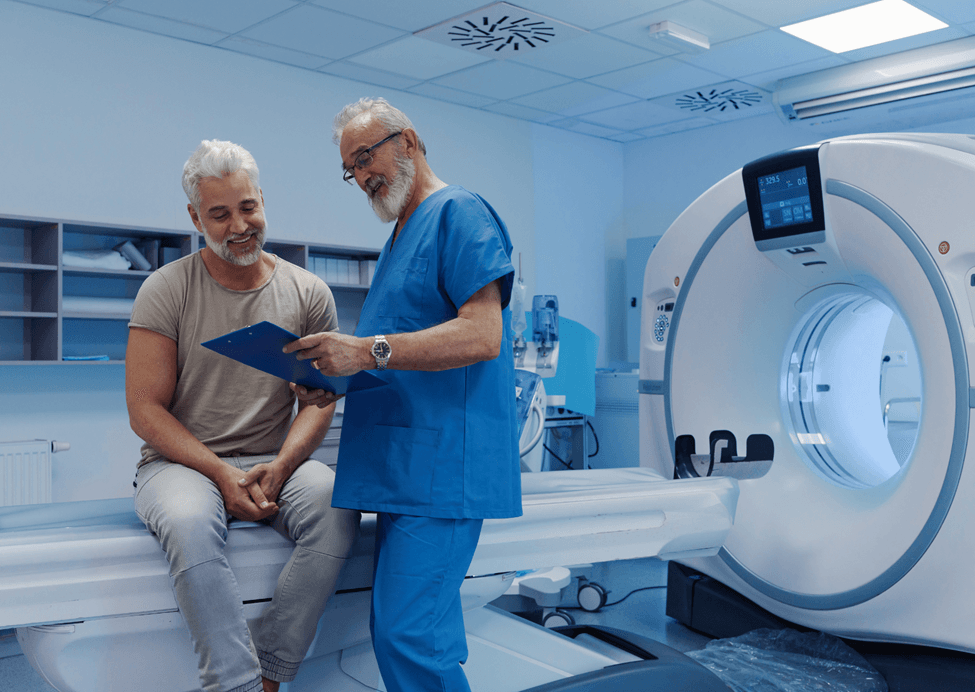
One diagnostic test that doctors frequently recommend is a CT scan. It involves special X-rays to produce detailed images of the inside of the body. These snapshots can assist doctors to learn what is ailing patients so that they can decide the proper course of treatment. When their doctor orders a CT scan, many people look for a “CT scan near me.” A CT scan can reveal things that a normal X-ray might not. In this blog, we will explore the most common reasons doctors will want you to get a CT scan and how it assists in diagnosis.
1. To Find Injuries After an Accident
A CT scan is very useful after accidents. Sometimes you may seem all right on the outside, yet have wounds inside your body. These injuries can be challenging to visualise with conventional X-rays. A CT scan can rapidly indicate whether there is bleeding, broken bones or damage to organs.
This scan is commonly recommended for people who have had head injuries, chest injuries or who present with stomach pain after a fall or crash. It can prompt doctors to act quickly and administer the appropriate treatment. This can save lives and prevent further problems.
2. To Detect Tumours and Growths
Doctors use CT scans to check for lumps or unusual growths in the body. These lumps can form in the brain, lungs, liver, or other organs. A CT scan shows the size, shape, and exact place of the tumour. This helps doctors find out if it is harmful or safe.
It also guides them in planning surgery or other treatments. Sometimes, doctors repeat the scan later to see if the tumour has grown or shrunk. In this way, a CT scan becomes an important tool to diagnose and treat serious health conditions.
3. To Check for Infections
Sometimes, infections spread deep inside the body. Normal tests may not show the full picture. A CT scan helps doctors see where the infection is and how much it has spread. For example, it can show infections in the lungs, abdomen, or even the brain.
The scan also helps doctors know if there is pus or swelling that needs treatment. With this information, they can choose the right medicines or decide if surgery is needed. This makes recovery faster and prevents the infection from getting worse.
4. To Spot Blood Clots
Blood clots can block the flow of blood in the body. If they block blood in the brain, it may cause a stroke. If they block blood in the arteries supplying lungs, it may cause chest pain and breathing difficulty. These problems can be very dangerous.
A CT scan can quickly show if a clot is present and where it is. With this information, doctors can give blood-thinning medicines or plan other treatments. Detecting a clot early can save lives. That is why doctors often suggest a CT scan when they suspect blood clot problems.
5. To Check Heart Problems
A CT scan gives doctors a view of the heart and blood vessels. At times, blood vessels get clogged. This can lead to chest pain or a higher chance of having a heart attack. These blockages can be clearly seen on a CT scan. Doctors may then recommend medications, lifestyle changes or surgery. The scan is also used to look at the shape and size of the heart.
6. To Guide Surgeries
Before surgery, doctors need a clear view of what is inside the body. A CT scan gives them detailed images of the problem area. This helps doctors plan the surgery better. For example, if a patient has a tumour, the scan shows its exact size and place. It also shows nearby blood vessels and organs.
With this knowledge, surgeons can reach the tumour safely without harming other parts. CT scans reduce risks during surgery and improve results. That is why they are often used before major operations. It acts like a guide map for the doctors.
7. To Find Internal Bleeding
Bleeding inside the body is very dangerous. It cannot always be seen from the outside. A person may feel dizzy, weak, or have stomach pain. A CT scan can rapidly reveal where the bleeding is occurring. It could be in the head, chest, or stomach.
Once doctors can identify the bleeding, they are able to stop it with either medicine or surgery. Fast action is critical to prevent the patient from bleeding to death. That is why CT scans are a top choice for doctors when they suspect hidden bleeding inside the body.
8. To Check for Kidney Stones
Small and hard stones often form inside the kidney. They cause sharp pain in the back or side. Sometimes, they make it hard to pass urine. A CT scan can show if stones are present. It also shows the size, shape, and exact place of the stone. This helps doctors decide the best way to remove it.
Some stones pass out on their own, while larger ones may need treatment. Without a CT scan, it is hard to know the full details. That is why doctors suggest this test for patients with kidney stone symptoms.
9. To Monitor Ongoing Treatment
CT scans are not just for finding problems. They are also used to monitor treatment outcomes. Doctors often perform a CT scan in cancer patients to determine whether a particular type of treatment is working.
The scan indicates whether the tumour is becoming smaller or increasing in size. This enables doctors to determine what to do next. The same holds for infections, injuries or other health problems. CT scans provide a clear view of progress.
Conclusion
A CT scan is one of the most useful clinical tools in modern medicine. It has detailed pictures of the body’s interior, and helps doctors spot problems quickly. From diagnosing broken bones to looking for infections, CT scans contribute to saving lives. If you are looking for the best diagnostic lab for CT scan in Pune, Vijaya Diagnostic Centre is one of the best options. They employ advanced technology to guarantee accurate results.
