Colon polyps grow on the inner lining of the rectum. While most of these growths are not serious or benign, some may develop into colorectal cancer over time if left untreated. Understanding the causes, types, risk factors, and available treatments is crucial for early detection and effective management.
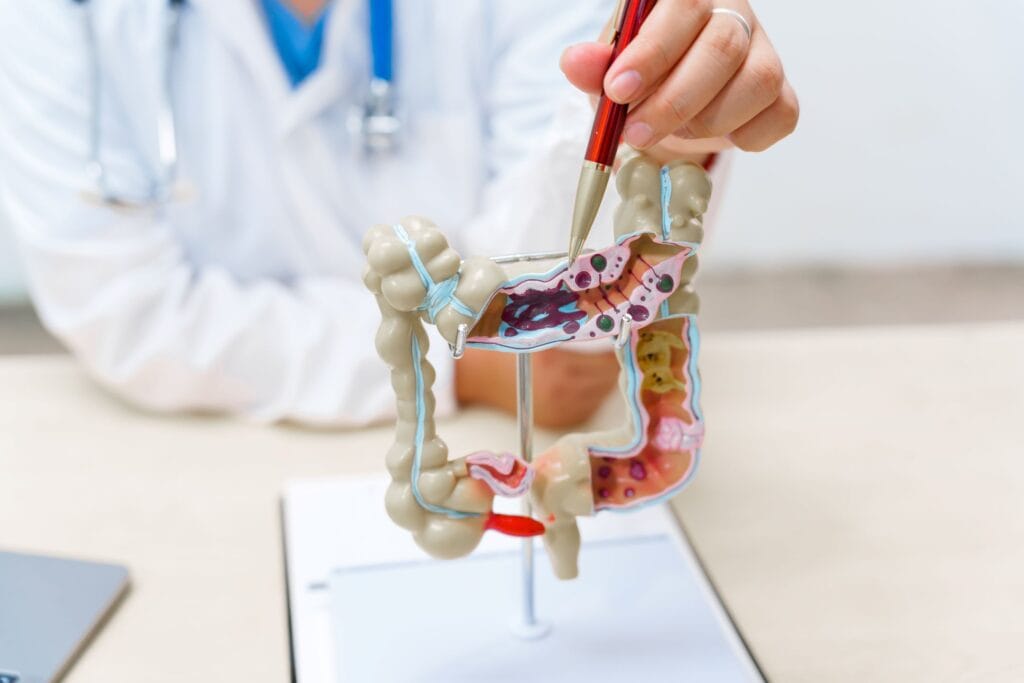
Read on the learn what polyps of the colon are, their causes, and treatment options.
Types of Colon Polyps
Colon polyps vary in their structure and potential to become cancerous. The primary types include:
Adenomatous Polyps (Adenomas)
These are the most common type and have the potential to develop into cancer. Based on their cellular structure, adenomas are further classified into subtypes, such as tubular, villous, and tubulovillous.
Hyperplastic Polyps
Hyperplastic polyps are typically small and have a low risk of becoming cancerous. They’re more commonly found in the distal colon and rectum.
Inflammatory Polyps
These polyps typically occur in individuals with inflammatory bowel diseases (IBD), such as Crohn’s disease or ulcerative colitis. While inflammatory polyps are usually benign, their presence signals the need to monitor the underlying condition carefully.
Serrated Polyps
Serrated polyps, which include sessile serrated adenomas (SSA) and traditional serrated adenomas (TSA), carry a higher risk of malignancy. They’re more challenging to detect due to their flat appearance.
Therefore, patients having such conditions require advanced care and explore options like rectal tumour treatment Singapore or similar locations to benefit from expert care and cutting-edge technology.
Causes and Risk Factors
Several factors can contribute to the development of colon polyps. Understanding these can help individuals reduce their risk. Below are the causes and risk factors of colon polyps:
Genetic Predisposition
Family history plays a significant role in the likelihood of developing polyps. Conditions such as familial adenomatous polyposis (FAP) and Lynch syndrome are inherited disorders that significantly increase the risk of polyps and colorectal cancer.
Age
The risk of developing colon polyps increases with age, particularly after age 50.
Lifestyle Factors
Unhealthy habits, such as a diet high in red and processed meats, smoking, excessive alcohol consumption, and a sedentary lifestyle, can increase the risk of polyps.
Chronic Inflammation
Conditions like inflammatory bowel disease can lead to chronic inflammation of the colon, increasing the likelihood of developing polyps.
Symptoms of Colon Polyps
Colon polyps often don’t cause symptoms, especially in the early stages. However, as they grow, some individuals may experience the following:
- Rectal bleeding
- Changes in bowel habits, such as constipation or diarrhea
- Abdominal pain or cramping
- Fatigue due to anemia caused by chronic bleeding
If these symptoms arise, it’s essential to consult a healthcare provider, as they may also indicate other gastrointestinal conditions.
Diagnosis of Colon Polyps
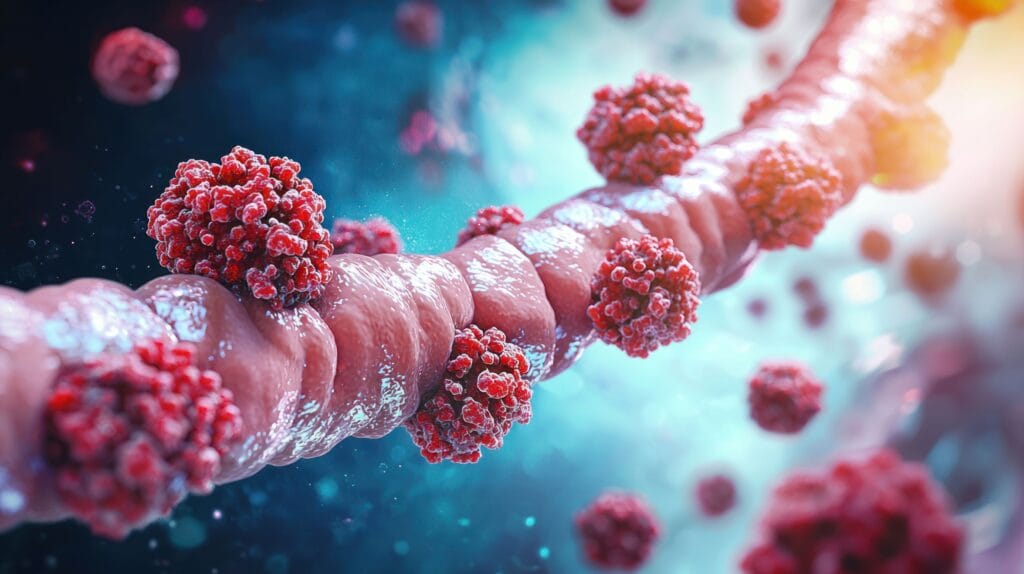
Timely diagnosis is crucial for effective management. Some common diagnostic methods include:
Colonoscopy
Colonoscopy is the gold standard for detecting and removing polyps. It involves inserting a flexible tube with a camera into the colon to identify and biopsy or excise abnormal growths.
Sigmoidoscopy
Similar to a colonoscopy but limited to the lower part of the colon, this procedure is typically used for initial screenings.
Stool Tests
Non-invasive stool tests, such as fecal occult blood tests (FOBT) and stool DNA tests, can detect traces of blood or DNA mutations associated with polyps or cancer.
Imaging Tests
CT colonography, also known as virtual colonoscopy, uses imaging technology to identify polyps. While less invasive, this method requires follow-up colonoscopy if polyps are detected.
Treatment Options for Colon Polyps
The treatment of colon polyps depends on their size, type, and potential for malignancy. Some treatment options include:
Polypectomy
Small and medium-sized polyps are typically removed during a colonoscopy using specialized tools. This procedure is minimally invasive and effective in reducing cancer risk.
Endoscopic Mucosal Resection (EMR)
Larger polyps or those with suspicious features may require EMR, a technique that involves lifting the polyp from the colon wall before excision.
Surgical Intervention
In cases of very large polyps or those with a high likelihood of malignancy, partial colectomy (removal of a section of the colon) may be necessary. Patients seeking advanced care for such conditions can explore several options to ensure a healthier outcome.
Regular Surveillance
Patients with a history of polyps need regular follow-ups. Surveillance intervals can depend on the type, size, and number of polyps detected.
Prevention of Colon Polyps
While not all polyps can be prevented, adopting a healthy lifestyle and undergoing routine screenings can significantly reduce the risk. Here’s how to prevent colon polyps:
- Dietary Modifications: Increase intake of fruits, vegetables, and whole grains and limit consumption of red and processed meats. Also, incorporate foods rich in calcium and vitamin D to prevent colon polyps.
- Regular Exercise: Engaging in moderate physical activity for at least 30 minutes daily can improve colon health and overall well-being.
- Avoid Smoking and Excessive Alcohol: Both smoking and excessive alcohol consumption are linked to a higher risk of polyps and colorectal cancer.
- Screening and Early Detection: Routine colonoscopies, especially for those over 50 or with a family history of polyps, are vital for early detection and prevention of cancer.
By following these tips, individuals can reduce the risk of having colon polyps.
Conclusion
Colon polyps are a common gastrointestinal issue that may lead to serious health complications if not addressed promptly. Awareness of risk factors, early detection through screenings, and appropriate treatment options are essential for reducing the likelihood of colorectal cancer. By considering the information presented above, individuals can take proactive steps to maintain optimal colon health.
