Lymphedema is a chronic condition that can have significant impacts on an individual’s quality of life. It involves the buildup of lymph fluid in the body’s tissues, leading to swelling, pain, and restricted mobility. Traditional treatments include compression garments, exercise, and careful skin care, but massage therapies have also emerged as effective complementary approaches. Understanding the principles and benefits of drainage massages can empower patients and caregivers in managing this condition. In this article, we will delve into the dynamics of lymphedema and how targeted massage can play a pivotal role in treatment.
Understanding Lymphedema: Causes, Symptoms, and Diagnosis
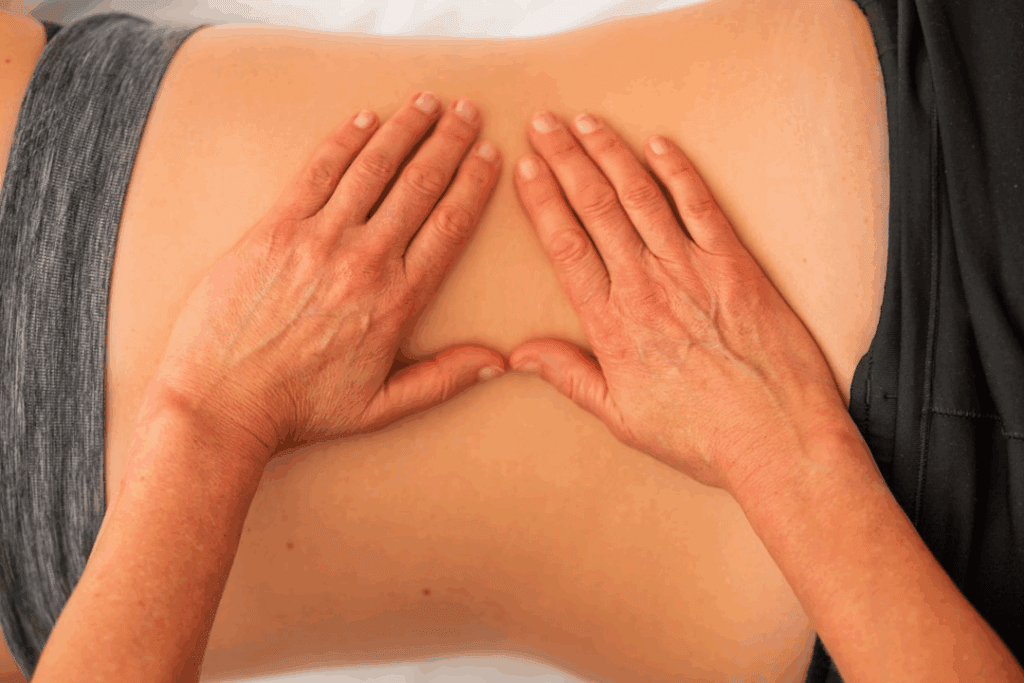
Lymphedema often develops after cancer treatments that involve removing or damaging lymph nodes, which disrupts the lymphatic system’s ability to drain fluid. It may also stem from inherited conditions, infections, trauma, or other lymphatic abnormalities. Early signs include heaviness, tightness, and swelling in the limbs, progressing to thickened skin and recurring infections if untreated.
Diagnosis relies on medical history, physical exams, and imaging like lymphoscintigraphy or MRI to assess blockages. Treatment focuses on managing swelling and preventing complications through personalized care plans that may include therapies such as lymphedema drainage massage NY, which helps improve circulation and reduce fluid buildup.
Drainage Massage Explained: The Science Behind Lymphatic Drainage
Lymphatic drainage massage is a gentle, rhythmic technique that stimulates the flow of lymph fluid, helping to reduce swelling and support the body’s natural filtration system. By using precise strokes and pressures, therapists guide fluid away from congested areas and back into circulation. This method targets the body’s lymphatic vessels and nodes, encouraging proper drainage and improving overall lymphatic function.
Sessions typically last 45 to 60 minutes, with therapists applying specific hand movements and sequences tailored to the affected area. Many patients report pain relief and reduced discomfort, while research shows the therapy works best when combined with other treatments, making it a valuable tool in managing lymphedema.
The Role of Drainage Massage in Lymphedema Management
Lymphedema drainage massage is a key element of conservative management, complementing compression, exercise, and skin care to improve patient comfort and function. When performed consistently by trained specialists, it is tailored to the individual’s condition, ensuring both safety and effectiveness. This hands-on therapy directly supports decongestive treatment plans, easing symptoms while enhancing quality of life.
Beyond reducing swelling, drainage massage helps break down fibrotic tissue often seen in advanced lymphedema, restoring lymphatic flow and lowering the risk of complications like infection or skin damage. By promoting circulation and supporting immune function, it strengthens skin integrity, maintaining resilience against changes that often accompany this chronic condition.
Step-by-Step Guide to Lymphatic Drainage Massage Techniques
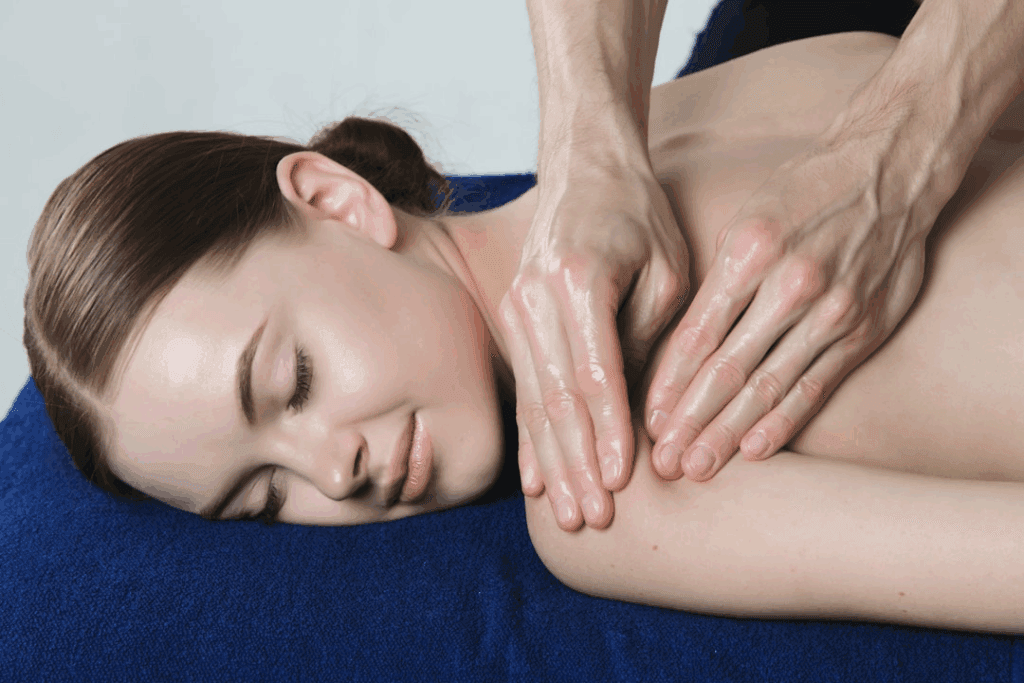
Lymphatic drainage massage relies on precise, gentle movements designed to stimulate lymph flow without damaging delicate vessels. The process begins by clearing central pathways such as the supraclavicular and axillary lymph nodes, allowing the extremities to drain more efficiently. Practitioners then use light, rhythmic strokes to guide fluid toward the nearest nodes, carefully avoiding deep pressure that could obstruct circulation.
Patients often learn self-massage routines to support progress between treatments. These at-home techniques usually start at the body’s center and extend outward, encouraging lymph to move away from swollen areas. Since every case of lymphedema differs, practitioners adjust sequence and pressure to match the individual’s condition and therapeutic needs.
Maintaining Lymphatic Health: Complementary Practices and Lifestyle Changes
Maintaining lymphatic health extends beyond drainage massages and requires a comprehensive approach. Regular exercise, particularly activities involving the affected limb, promotes circulation, while water-based exercises like swimming or water aerobics provide natural compression that aids lymph flow. Nutrition also plays a key role—hydration keeps lymph fluid moving efficiently, and foods rich in antioxidants and anti-inflammatory properties support tissue repair and immune balance.
Education and support are equally important. Learning proper skin care reduces infection risks, while consistent use of compression garments enhances fluid control. Stress management practices such as meditation, yoga, or deep breathing improve quality of life and may indirectly benefit lymphatic function, reinforcing a well-rounded strategy for managing symptoms.
Overall, when combined with other treatments, lymphatic drainage massage stands as a powerful tool in the management and relief of lymphedema symptoms. It is a testament to the importance of holistic, patient-centered approaches that address both physical and psychological aspects of health. By integrating this therapy with broader lifestyle changes, patients can work towards better health outcomes and enhanced quality of life.
