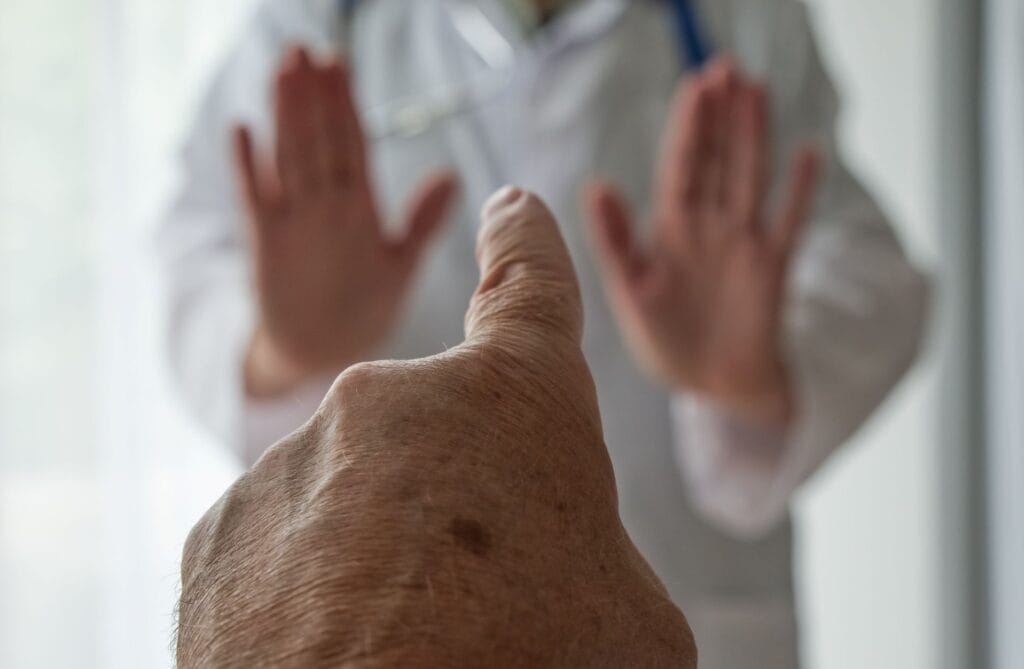
When you work in mental health care, it’s common to face emotionally charged situations. You often meet people in distress, particularly those who feel unheard, unsafe, or overwhelmed.
In these moments, your ability to transform tension into trust can make all the difference. That’s where the art of de-escalation in mental health support comes in. It’s an essential skill that requires more than calming someone down. It’s about helping them feel safe, respected, and understood.
Understanding the Roots of Conflict
Conflict in mental health settings can arise from many factors—fear, frustration, psychological trauma, or medication side effects. People experiencing a mental health crisis might interpret your actions or tone as threatening, especially if they’ve been through trauma-informed care situations before. Others may struggle with bipolar disorder, emotionally unstable personality disorder, or other psychiatric diagnoses that affect emotional regulation and perception.
If you’re seeking compassionate mental health support, Curio Counselling Calgary offers expert counselling services tailored to your unique needs.
When a person feels cornered or misunderstood, their fight-or-flight response activates. This reaction is hardwired into the brain structure; it’s a survival instinct. That’s why a calm approach matters so much. Even a small change in body language, tone, or proximity can determine whether the encounter escalates or resolves peacefully.
These dynamics become even more crucial in psychiatric intensive care units. Staff must balance patient safety with compassion while preventing harm to themselves or others. Unfortunately, workplace violence and staff injuries remain serious risks in these environments, often fueled by poor communication or rushed decision-making.
Why De-Escalation Matters
A common challenge in behavioral health environments is misunderstanding the difference between control and care. Some staff instinctively raise their voices or close in physically when faced with verbal aggression, thinking it shows authority. However, such reactions can backfire, increasing distress rather than reducing it.
This is where de-escalation techniques come into play. They help you redirect tense interactions by using empathy, communication, and nonverbal communication cues to create a safe space. These strategies work by promoting understanding, rather than confrontation, and by acknowledging the person’s emotions without judgment.
For example, respecting someone’s personal space bubble can ease their anxiety. Using eye contact thoughtfully, steady but not piercing, helps build trust. Your tone and posture also speak volumes. Relaxed shoulders and open hands send the message that you’re there to help, not to control.
Key Elements of Verbal and Nonverbal De-Escalation
De-escalation is both a communication skill and a mindset. It requires self-awareness and a genuine desire to understand the person in distress. Here are a few essential approaches that make a big difference:
- Verbal de-escalation: Use calm, respectful language and keep sentences short. Establish verbal contact early. Say the person’s name, listen carefully, and show empathy. Avoid making moral judgements or arguing about right and wrong. The goal is to facilitate responsible behavior, not enforce compliance.
- Active listening: This means listening beyond words. Reflect what you hear, acknowledge emotions, and show that you care. When someone feels understood, their agitation often decreases naturally.
- Nonverbal communication: Pay attention to body language. Small gestures, nods, and a calm stance can convey more than words. Keep an eye on the person’s conflict behaviors and adjust your distance or tone accordingly.
When done right, these techniques reduce the need for restrictive interventions like manual restraint, which can lead to adverse effects and damage staff-patient relationships. They also foster a culture of respect within the team, which values understanding over control.
According to the Centers for Disease Control and Prevention, a quarter of American adults had a mental illness in 2023, highlighting just how widespread mental health challenges have become. With this increase comes a greater demand for skilled professionals who can manage psychiatric emergencies and mental health–related emergencies without relying on coercive measures.

Building Skill Through Staff Training
De-escalation training is a cornerstone of risk management cultures in most mental health systems. More than learning techniques, it deals with changing staff attitudes and improving emotional intelligence. Proper staff training helps workers recognize early signs of agitation, apply verbal strategies, and use behavior management tools effectively.
This education also draws from behavior change theory, which explains how empathy and consistency can influence positive outcomes. In practice, this might mean using a tiered response plan, where calm verbal engagement comes first, followed by supportive psychological interventions only when necessary.
Ongoing monitoring of client behavior allows teams to identify patterns and prevent escalation before it occurs. In some facilities, sensory rooms offer clients a safe space to self-regulate and recover from overstimulation.
De-Escalation as a Self-Care Tool
Working in a high-pressure emergency department or psychiatric intensive care unit can take an emotional toll. That’s why de-escalation is not only a patient-centered approach—it’s also an effective stress management tool for staff.
When you apply de-escalation consistently, you reduce your own anxiety and prevent burnout. Instead of reacting impulsively, you stay grounded, use deep breathing, and focus on collaboration. These habits help you remain calm in chaos and maintain emotional stability, even when faced with unpredictable conflict resolution situations.
Creating Safer, More Compassionate Environments
Effective de-escalation techniques go beyond preventing violence. They transform how we approach mental hospitalizations and psychiatric emergencies. When staff prioritize empathy and understanding, patients are more likely to cooperate and engage in treatment. Over time, this builds stronger staff-patient relationships and minimizes the emotional scars often left by coercive care.
Ultimately, turning conflict into care means seeing people not as problems to manage but as individuals to support. By respecting personal space and using both verbal and nonverbal communication wisely, you can turn tense moments into opportunities for healing.
