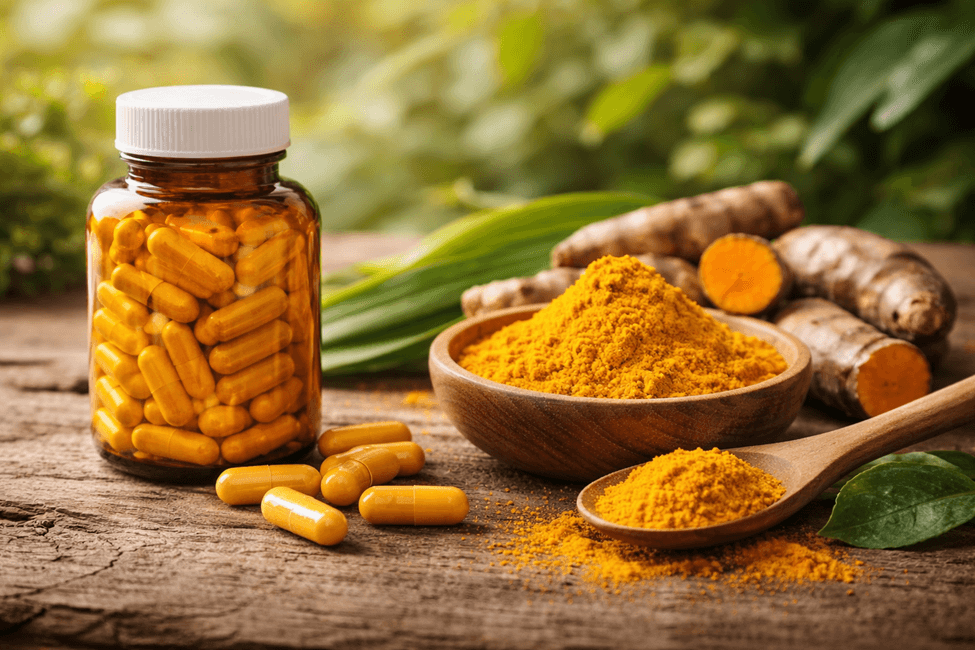
Supplements are often marketed as “natural,” but that doesn’t mean “neutral.”
Many supplements contain highly concentrated, lab-extracted active compounds (think: curcumin, potassium, herbal extracts). In other words: they can act a lot like medications—fast, potent, and sometimes unpredictable when combined with prescriptions.
That’s why taking supplements on your own, without checking risks and interactions, is essentially self-treating—no different in principle than grabbing a medication and guessing your dose.
Below are five medication categories many people take, one example drug in each class, and one supplement interaction that illustrates why this matters.
Educational only. Not medical advice. Don’t start/stop meds or supplements without a clinician or pharmacist’s guidance.
1) Statins (Cholesterol Drugs)
Example medication: Atorvastatin (statin class)
Supplement interaction to know: Red yeast rice
Red yeast rice can contain compounds (notably monacolin K) that act similarly to statins. Taking it alongside a prescription statin can effectively “stack” similar effects—raising the chance of statin-like side effects and creating uncertainty because supplement potency can vary.
Why this matters: It’s easy to assume “natural cholesterol support” is gentle. Sometimes it’s more like doubling down on the same mechanism.
2) Anxiety/Depression Meds (SSRIs/SNRIs)
Example medication: Sertraline (SSRI class)
Supplement interaction to know: St. John’s wort
St. John’s wort is a classic example of a supplement that can behave like a drug. When combined with antidepressants, it may raise the risk of excess serotonin (serotonin syndrome can be serious). It can also interfere with how the body processes many medications.
Why this matters: “Mood support” supplements can be pharmacologically active—and risky when layered on top of prescription therapy.
3) ACE Inhibitors (Blood Pressure/Heart Meds)
Example medication: Lisinopril (ACE inhibitor class)
Supplement interaction to know: Potassium supplements (and potassium-containing salt substitutes / electrolyte products)
ACE inhibitors can raise potassium levels in the blood. Adding potassium supplements—or regularly using potassium-heavy salt substitutes and electrolyte mixes—can push levels too high (hyperkalemia), which may affect heart rhythm.
Why this matters: Potassium is essential, but potassium supplements are a concentrated dose—very different from building potassium through whole foods under typical circumstances.
4) Heartburn Meds (PPIs)
Example medication: Omeprazole (PPI class)
Supplement interaction to know: St. John’s wort
Some interactions don’t cause obvious side effects—they simply make a medication work less well. St. John’s wort can reduce how well omeprazole works by altering drug metabolism.
Why this matters: If symptoms return, many people assume they “need a stronger med,” when the real issue could be an interaction that’s quietly lowering effectiveness.
5) Antibiotics
Example medication: Doxycycline (tetracycline antibiotic)
Supplement interaction to know: Minerals (calcium, magnesium, iron, zinc—often found in multivitamins)
Minerals can bind to certain antibiotics in the gut and reduce absorption, potentially making treatment less effective. This is especially common when someone takes a multivitamin, magnesium, or calcium “for health” while on an antibiotic.
Why this matters: Even “basic” supplements can interfere with treatment—sometimes just because of timing.
The bigger issue: extracted “actives” aren’t the same as whole nutrition
A lot of supplement risk comes down to concentration and context.
Curcumin vs. whole turmeric
Curcumin is a potent extracted compound from turmeric. It may act quickly and strongly—but the “whole turmeric” matrix contains many compounds that can change absorption and effects over time. Research reviews note that it’s not always clear when the whole herb is required, and there’s evidence suggesting synergy (including findings that curcumin’s bioavailability can be higher when taken as whole turmeric powder versus curcumin alone).
Practical takeaway: If your goal is long-term dietary support, using turmeric as a food (in meals, beverages, cooking) may be a safer default than high-dose extracts—especially if you’re on medications.
Potassium supplements vs potassium-rich foods
Potassium-rich foods can be a smart strategy for many people—but supplements are a concentrated active dose. And some people (especially those on ACE inhibitors or with kidney disease risk) can develop high potassium even at typical intakes—so “more potassium” isn’t always the answer, and it’s not something to guess at.
Practical takeaway: Prefer potassium-rich foods as a first-line nutrition strategy unless your clinician directs supplementation—and always check interactions if you’re on blood pressure meds.
A safer rule: treat supplements like medications
Before you add a supplement, especially an extract, do this:
- List everything you take (prescriptions, OTC meds, supplements, electrolytes, “herbal blends”).
- Ask a pharmacist to check interactions (fast, specific, often underused).
- Avoid stacking similar effects (e.g., statin + red yeast rice; antidepressant + serotonergic herbs).
- Prefer food-first when the goal is general wellness support (unless you have a diagnosed deficiency or clinician plan).
The FDA and NIH both emphasize that supplements can have strong biological effects and may interact with medications—so consumers should consult healthcare professionals before combining them.
Closing: learn a safer way to use natural support
To learn about the proper way to take home remedies, head to CureNatural’s Ayurveda Online Courses and take the Home Remedies course. Or use the Ayurveda app to use foods according to your body type, for inner balance and wellness, and support your treatment plan.
References
- U.S. FDA — Mixing Medications and Dietary Supplements Can Endanger Your Health.
- U.S. FDA — Dietary Supplements (Consumer Update): ingredients can have strong biological effects; consult a health professional.
- NIH NCCIH — Herb-Drug Interactions (Provider Digest).
- Mayo Clinic — Red yeast rice: interactions including statins; side-effect risk.
- Mayo Clinic — St. John’s wort: antidepressant interaction risk; serotonin concerns; omeprazole interaction.
- NHS — Lisinopril: cautions with potassium (including salt substitutes) and supplements.
- NIH Office of Dietary Supplements — Potassium Fact Sheet (Consumer): hyperkalemia risk with ACE inhibitors and certain conditions.
- NCBI Bookshelf (NIH) — Doxycycline guidance: avoid milk/mineral cations around dosing due to absorption interference.
- Rolfe V. (2020) — Turmeric/curcumin meta-review: notes on whole turmeric vs isolated curcumin and potential synergy/bioavailability.
- Kunnumakkara AB, et al. (2023) — Review on turmeric/curcumin roles and evidence base.
