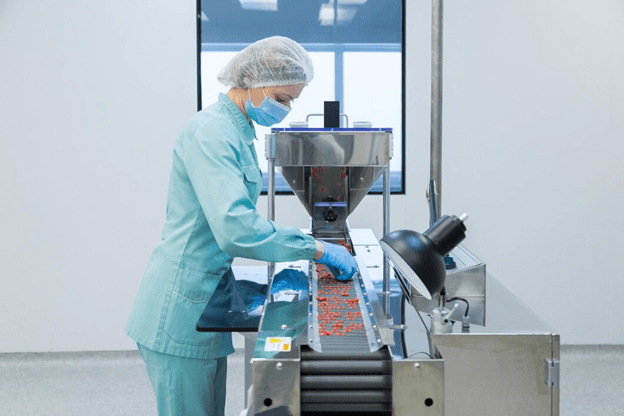
When people think about the pharmaceutical industry, they often picture scientists in lab coats, intricate chemical formulas, and breakthrough medications. However, behind every pill that reaches consumers is a highly sophisticated manufacturing process. At the heart of this process lies an essential but often overlooked component: the tablet press machine. These machines are critical in ensuring that medicines are produced efficiently, accurately, and consistently, meeting the highest quality standards. Without them, the modern pharmaceutical industry wouldn’t function as we know it today.
The Role of Tablet Press Machines in Pharma Production
Tablet press machines compress powdered medication into solid tablets of precise weight, shape, and dosage. This process may seem straightforward, but it requires extreme precision and adherence to strict regulatory guidelines to ensure the safety and efficacy of the final product. Any tablet weight or composition inconsistency can result in dangerous dosage variations, which could compromise patient health.
Maintaining Uniformity: A Key to Drug Safety
One of the biggest challenges in pharmaceutical manufacturing is ensuring that every tablet contains the exact amount of active and inactive ingredients. Tablet press machines use automated compression technology to distribute the powder evenly, applying consistent pressure to produce uniform tablets. This level of precision ensures that each pill delivers the same therapeutic effect, minimizing the risks of underdosing or overdosing.
Efficiency in Mass Production
Pharmaceutical companies must manufacture millions of tablets daily to meet global demand. Tablet press machines are designed for high-speed production, often capable of producing thousands of tablets per minute without compromising quality. Modern machines incorporate advanced automation, reducing manual labor and improving operational efficiency.
Advanced Technologies in Tablet Press Machines
Innovation has transformed tablet press machines into highly sophisticated equipment. Modern machines include real-time monitoring systems that detect tablet weight, hardness, and thickness variations. These advanced features help manufacturers maintain strict quality control, preventing defective batches from reaching consumers.
Ensuring Compliance with Regulatory Standards
Pharmaceutical manufacturing is one of the most highly regulated industries in the world. Organizations such as the FDA (Food and Drug Administration) and WHO (World Health Organization) enforce stringent quality and safety guidelines. Tablet press machines are built to comply with Good Manufacturing Practices (GMP), ensuring that the tablets produced meet regulatory requirements for purity, stability, and consistency.
Reducing Waste and Improving Sustainability
The pharmaceutical industry faces increasing pressure to reduce waste and environmental impact. Tablet press machines help minimize material waste by ensuring precise powder compression and reducing the number of defective or off-specification tablets. Many modern machines are designed with energy-efficient mechanisms, supporting pharmaceutical companies in achieving their sustainability goals.
The Evolution of Tablet Press Machines
Over the years, tablet press machines have evolved from basic mechanical devices to fully automated systems equipped with AI and data analytics. Today’s machines can self-adjust compression force, detect powder inconsistencies, and even provide predictive maintenance alerts to prevent equipment failures. This continuous evolution ensures that medication production remains faster, safer, and more reliable.
Customization for Specialized Medications
Not all medications can be produced using a one-size-fits-all approach. Some require special coatings, layered formulations, or unique tablet shapes to enhance bioavailability and patient compliance. Advanced tablet press machines can be customized to accommodate these specialized needs, allowing pharmaceutical companies to manufacture a wider range of drug formulations efficiently.
Looking Ahead: The Future of Tablet Press Technology
As the pharmaceutical industry advances rapidly, tablet press machines will become even more intelligent, integrating with Industry 4.0 technologies such as IoT, AI, and blockchain for enhanced transparency, traceability, and efficiency. These innovations will further improve drug manufacturing processes, ensuring that medications are produced faster, safer, and with the highest level of quality assurance.
While scientists and researchers are often celebrated for their breakthroughs, tablet press machines remain the backbone of pharmaceutical manufacturing. Their ability to ensure precision, efficiency, and regulatory compliance makes them indispensable in producing safe and effective medications. As technology advances, these machines will continue to evolve with automation and AI-driven enhancements, further optimizing drug manufacturing. For those looking to explore cutting-edge solutions in tablet press technology, visit kg-pharma to discover innovative equipment designed to meet the highest industry standards.
