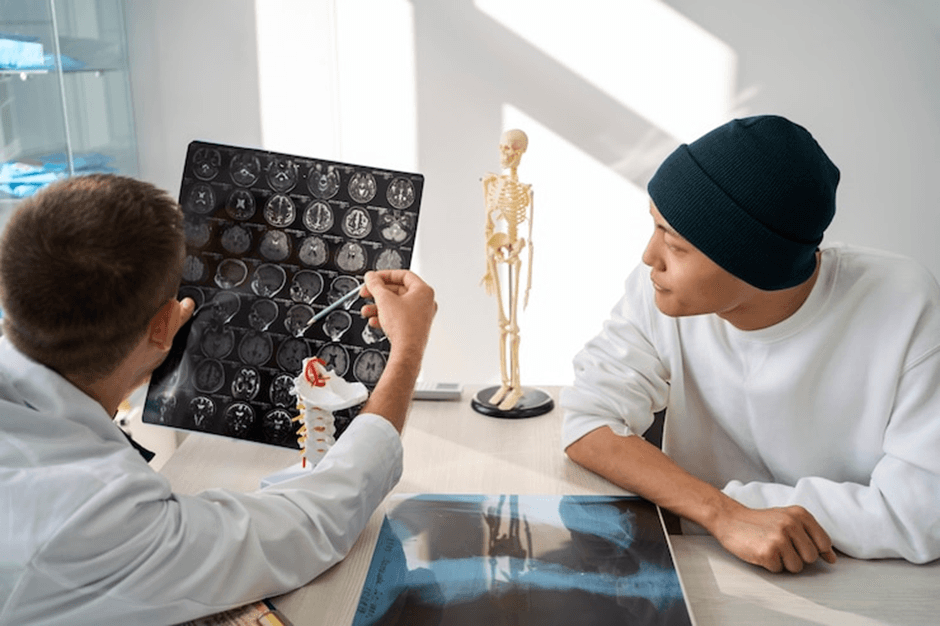
Mild traumatic brain injury (often called mild TBI or concussion) is more common than many people think. It happens when the head is hit or moved suddenly, causing the brain to shake inside the skull. This can lead to headaches, confusion, tiredness, or memory problems.
These injuries can happen in many places, such as on the road, at work, at home, or during sports. In a place where people are always on the move and traffic is heavy, head injuries are often reported due to accidents and falls. If you’ve ever experienced problems after a mild traumatic brain injury, it’s important to know what caused it and how to prevent it in the future.
What Is a Mild Traumatic Brain Injury?
A mild TBI is a type of brain injury that doesn’t always show up on a scan but can still affect how the brain works. Common symptoms include dizziness, confusion, nausea, blurry vision, or sensitivity to light and sound. Some people feel better within a few days, but others might struggle for weeks.
Common Accidents That Often Lead to a Mild Traumatic Brain Injury
Understanding the types of accidents that cause mild TBIs can help reduce the risk. Let’s look at the most frequent ones.
Road Traffic Accidents
Car, motorcycle, and bicycle accidents are major causes of mild TBIs. When a vehicle crashes or stops suddenly, the head might hit a hard surface like the dashboard or window. Even with no cuts or bruises, the force can injure the brain. Wearing seatbelts and helmets can greatly reduce the chances of serious injury. Pedestrians and cyclists in busy areas are especially at risk in cities with heavy traffic.
Workplace Accidents
Some jobs are more dangerous than others when it comes to head injuries. In construction, warehouse, or factory work, workers may fall, be struck by falling objects, or hit their heads on machinery. A mild TBI can happen even if the impact doesn’t seem serious at first.
Wearing safety helmets and following safety rules is key in preventing these kinds of injuries. Employers should also make sure the work area is free from hazards.
Slips and Falls
Falls are the most common cause of mild TBIs in both children and older adults. A slip on a wet floor, a trip over clutter, or a fall down the stairs can result in a head injury. At home, this often happens in bathrooms, kitchens, or on uneven surfaces.
In public places, poorly maintained sidewalks or slippery floors can cause similar accidents. Adding grab bars, improving lighting, and keeping floors dry are simple ways to prevent falls.
Sporting Activities
Playing sports like football, basketball, boxing, or even skateboarding can lead to mild TBIs. A hit to the head or falling during play can cause the brain to move quickly inside the skull.
This is especially common in youth sports. Parents and coaches should make sure children wear proper gear and follow the rules of safe play. Athletes should also be checked after a hard fall or hit, even if they say they feel fine.
Assaults
Unfortunately, physical violence can also lead to mild TBIs. This might happen during fights, domestic abuse, or being struck by someone. A single punch or hit to the head can result in a concussion. Victims may not always realize they have a brain injury right away. It’s important to seek medical attention and support if you’ve experienced any kind of.
Final Thoughts
Mild traumatic brain injuries may not always seem serious at first, but they can affect your health and daily life. Whether from a fall, car crash, or sports injury, knowing the risks and how to avoid them is important.
If you or someone you know has experienced symptoms of a mild traumatic brain injury, don’t ignore it. Seek medical help and take time to rest and recover. Prevention and early care make a big difference.
