Health is one of the most important foundations of human life. Without it, everything else—career, relationships, productivity, and quality of life—becomes limited. Yet despite its importance, many people only begin to seriously think about health when problems appear.
Studying health is not just for doctors or nurses. It is essential for everyone. In 2026, with rising chronic diseases, mental health challenges, and rapidly evolving medical knowledge, health education has become a critical tool for survival, prevention, and empowerment.
This article explores why studying health matters, what it includes, and how it can transform individuals and societies.

1. What Does “Studying Health” Mean?
Studying health refers to understanding how the human body and mind function, how diseases develop, and how to prevent or manage illness.
It includes topics such as:
- human anatomy and physiology
- nutrition and diet
- mental health
- disease prevention
- exercise science
- public health systems
- medical literacy
Studying health is not about memorizing medical textbooks—it is about understanding how to make better decisions in daily life.
2. Health Knowledge as a Life Skill
Health knowledge is one of the most practical life skills a person can have.
Every day, people make decisions that affect their health:
- what to eat
- how much to sleep
- how to manage stress
- when to seek medical help
- how to interpret symptoms
Without basic health education, these decisions are often based on misinformation, habits, or guesswork.
Studying health allows individuals to make informed choices instead of reactive ones.
Anecdote : The “Minor Pain” That Wasn’t Minor at All
A man in his late 40s woke up one morning with a dull pressure in his chest. It wasn’t sharp, and it didn’t feel dramatic—just an uncomfortable heaviness. He told himself it was probably stress or bad sleep. He had a busy day ahead, so he drank coffee, got dressed, and went to work.
As the day went on, the feeling didn’t go away. It stayed in the background like a warning he kept ignoring. By mid-afternoon, a coworker noticed he looked pale and insisted he go to the hospital. He resisted at first, saying it was “nothing serious,” but eventually agreed.
At the emergency room, doctors ran tests immediately. Within minutes, he was told he was having the early signs of a heart event. Because he came in when he did, they were able to intervene quickly and prevent major damage.
Later, he admitted something important: it wasn’t the pain that convinced him, it was the persistence of it. He realized how easy it is to minimize early warning signs when life feels too busy to stop.
3. Prevention Over Treatment
One of the most important principles in modern healthcare is prevention.
Preventing illness is:
- more effective
- less expensive
- less stressful
- more sustainable
Many chronic conditions, such as:
- diabetes
- heart disease
- obesity
- hypertension
are strongly influenced by lifestyle choices.
Health education helps individuals understand how daily habits contribute to long-term outcomes. Small changes—like improved diet, regular exercise, and stress management—can significantly reduce disease risk.
4. Understanding the Body and Mind
Studying health helps people understand how their bodies actually work.
Physical health includes:
- cardiovascular system
- immune system
- digestion
- hormonal balance
Mental health includes:
- stress regulation
- emotional processing
- anxiety and mood disorders
- cognitive function
When people understand these systems, they are less likely to panic, misinterpret symptoms, or ignore important warning signs.
Knowledge creates clarity instead of fear.
5. Mental Health Awareness
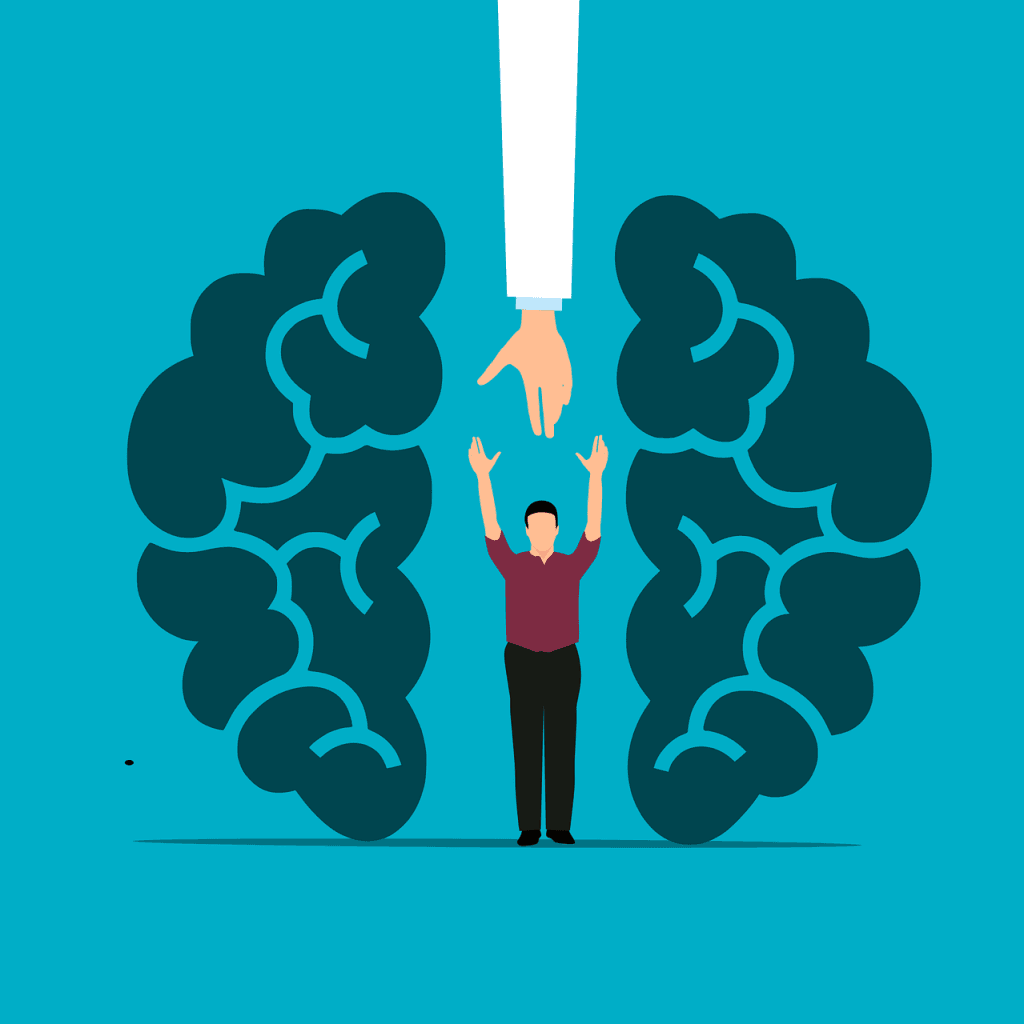
Mental health is now recognized as equally important as physical health.
Studying mental health helps people understand:
- anxiety and depression
- trauma responses
- burnout
- emotional regulation
In 2026, mental health challenges are increasingly common due to:
- high stress environments
- digital overload
- social isolation
- economic pressure
Health education provides tools to recognize symptoms early and seek appropriate support.
6. Reducing Misinformation
The internet has made health information widely accessible—but not always accurate.
Many people are exposed to:
- misleading health trends
- unverified medical advice
- social media “quick fixes”
- pseudoscience
Studying health builds critical thinking skills that allow individuals to:
- evaluate sources
- identify misinformation
- make evidence-based decisions
Health literacy acts as a filter against harmful or misleading content.
7. Improving Quality of Life
Good health directly improves quality of life.
People who understand health are more likely to:
- have higher energy levels
- sleep better
- manage stress effectively
- maintain physical fitness
- avoid preventable illnesses
This leads to better performance in:
- work
- school
- relationships
- personal goals
Health knowledge is not just about longevity—it is about living better every day.
The Parent Who “Just Wanted to Be Sure”
A young mother brought her toddler to the hospital late at night. The child had a mild fever earlier in the day, nothing unusual for a kid. Friends told her it was probably just a small virus and to wait it out.
But something felt off. The child was more tired than usual, not responding with his usual energy, and wasn’t eating. She couldn’t explain it, but her instinct told her to get it checked.
At the hospital, the triage nurse initially reassured her that many cases like this turn out to be minor. Still, they ran a few tests to be safe. A short time later, doctors identified a developing infection that needed prompt treatment.
It wasn’t life-threatening at that moment, but it required immediate care and medication.
The mother later said she almost didn’t come because she was afraid of “overreacting.” Instead, she learned something powerful: sometimes the hardest part of parenting is trusting your concern even when others say it’s probably nothing.
8. Health Education and Society
When more people understand health, entire societies benefit.
Positive societal effects include:
- lower healthcare costs
- reduced hospital burden
- healthier workforces
- improved public health outcomes
- stronger prevention systems
Public health education reduces pressure on medical systems by preventing avoidable conditions before they require treatment.
9. Empowerment Through Knowledge
Health education empowers individuals to take control of their own well-being.
Instead of relying completely on external authorities, people can:
- understand medical advice better
- ask informed questions
- participate in treatment decisions
- recognize early warning signs
This creates a more balanced relationship between patients and healthcare providers.
10. Lifestyle and Long-Term Health
Modern research consistently shows that lifestyle plays a major role in long-term health outcomes.
Key factors include:
- nutrition
- physical activity
- sleep quality
- stress management
- substance use
Studying health helps individuals understand how these factors interact and how small changes can create significant long-term benefits.
11. Health and Aging
As people age, health becomes increasingly important.
Understanding health helps individuals:
- maintain mobility
- preserve cognitive function
- reduce chronic disease risk
- improve independence later in life
Preventive health education early in life leads to better aging outcomes.
12. The Role of Technology in Health Learning
In 2026, technology plays a major role in health education.
People now access:
- online courses
- medical apps
- wearable devices
- AI-based health tools
- telemedicine platforms
These tools make health information more accessible, but also require users to understand how to interpret data correctly.
Health literacy ensures technology is used effectively, not blindly.
13. Health in the Workplace
Work environments have a significant impact on health.
Studying health helps individuals:
- manage workplace stress
- prevent burnout
- improve posture and ergonomics
- maintain energy throughout the day
Companies also benefit when employees understand health principles, leading to:
- higher productivity
- fewer sick days
- better morale
14. Barriers to Health Education
Despite its importance, many barriers still exist:
- lack of access to education
- misinformation online
- socioeconomic inequality
- language and cultural barriers
- limited health literacy in schools
Addressing these barriers is essential for improving global health outcomes.
15. The Future of Health Education
The future of health education is likely to become:
- more personalized
- more digital
- more integrated with daily life
- supported by AI and data analytics
People will increasingly learn about their health in real time through wearable devices and personalized recommendations.
However, human understanding and critical thinking will remain essential.
Conclusion
Studying health is one of the most valuable investments a person can make. It improves decision-making, prevents disease, enhances mental well-being, and strengthens society as a whole.
In a world where health information is everywhere but not always reliable, education becomes a protective tool.
Ultimately, understanding health is not optional—it is essential for living a longer, healthier, and more informed life.
