One of the most deadly kinds of car accidents is a head-on collision, which often results in fatalities or serious injuries. When two cars going in opposing directions hit, usually at high speeds, the energy of impact increases significantly, resulting in such accidents. Due to medical expenses and lost income, victims of these accidents may suffer from serious physical injuries, emotional trauma, and financial hardships.
Head-on crashes are especially devastating because the injuries are more severe than in other kinds of collisions. It can be easier for victims and their families to deal with the difficulties that lie ahead if they have a better understanding of the effects of these incidents, the types of injuries they cause, and the recovery process. This blog addresses the causes, damage, and steps involved in the healing process.
Causes and Impact of Head-On Collisions
Head-on crashes can occur for several reasons, often resulting from dangerous road conditions or driver error. The following are some of the most typical causes:
Distracted Driving: Using in-car entertainment systems, texting, or making phone calls can all lead to drivers drifting into oncoming traffic.
Impaired Driving: Using drugs or alcohol drastically impairs judgment and reaction times, which raises the possibility of driving in the wrong direction.
Speeding: A driver’s ability to react quickly enough to avoid an accident is diminished when they drive at fast speeds.
Drowsy Driving: Being fatigued can cause poor judgment and slow reaction times, which can result in lane changes and even head-on collisions.
Terrible Weather: Snow, fog, or rain can make it harder to see and hinder road traction, which makes it easier for cars to swerve into oncoming lanes.
A head-on collision can have catastrophic consequences: The force of impact is substantially greater than in other kinds of collisions due to the combined speed of two or more vehicles. In most cases, there is significant damage to the vehicle, and the people inside may have serious injuries. Victims frequently suffer from psychological issues such as depression, anxiety, and post-traumatic stress disorder (PTSD), in addition to physical trauma.
Typical Head-On Collisions Injuries
In head-on crashes, injuries are often serious and occasionally fatal due to the force involved. The most common injuries are listed below.
1. Brain and Head Injuries
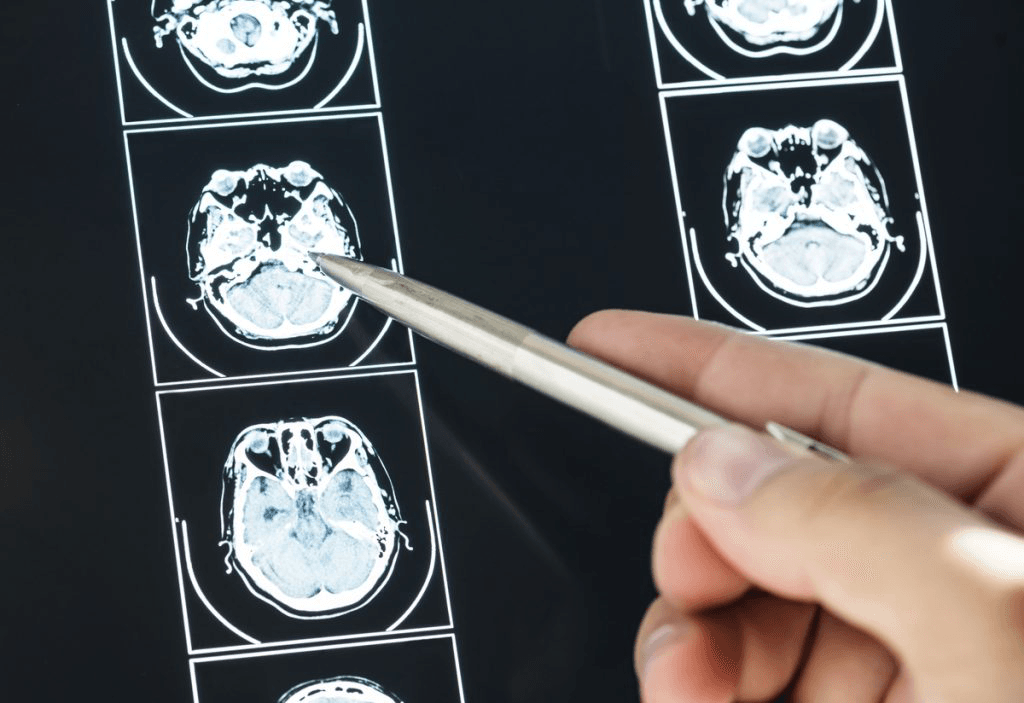
Because of the sudden impact, concussions and traumatic brain injuries (TBI) are common.
If the head hits the windshield, dashboard, or steering wheel, it may result in brain swelling and skull fractures.
In extreme circumstances, there may be long-term brain damage, memory loss, and cognitive problems.
2. Neck and Spinal Cord Injuries
When the head rapidly jerks forward and backward, it can cause whiplash, a common neck injury.
Spinal cord injuries, fractured vertebrae, or herniated discs, sometimes requiring hernia surgery to address related complications, can cause paralysis, reduced mobility, or chronic pain.
3. Fractures and Broken Bones
Fractures of the arms, legs, ribs, and pelvis are common in high-impact collisions.
Months of rehabilitation, physical therapy, and surgery may be necessary for severe breaks.
4. Internal Injury
If left untreated, internal bleeding and damage to vital organs, including the liver, lungs, or spleen, can be fatal.
Breathing might become extremely difficult if a lung is punctured due to broken ribs.
5. Psychological Trauma
After surviving a crash, many accident victims acquire PTSD, which manifests as depression, anxiety, or flashbacks.
Healing on an emotional level is equally as important as physical healing.
Immediate Steps After a Head-On Collision
These steps can protect your health and legal rights if you or a loved one has been in a head-on collision:
Seek Medical Help Right Away: Internal injuries may not show up for hours or days. Seek medical attention as soon as you can.
Call the Emergency Services: Inform the police about the accident and request medical attention. A police report will be useful for any lawsuits as well.
Document the Scene: Take pictures of the cars, the road, any injuries, and any important traffic signs or signals.
Gather information from witnesses: Get the statements and contact information of any witnesses, if there are any.
Follow Medical Advice: Attend all follow-up appointments and comply with your physician’s advice regarding your course of treatment and recovery.
Speak with a Personal Injury Lawyer: If the collision was brought on by the negligence of another driver, a lawyer can assist you in obtaining damages for your suffering, lost income, and medical expenses.
Rehabilitation and Recovery Process
The process of recovering after a head-on collision can be difficult and long. This is what to expect:
1. Medical Treatment
Numerous patients need prolonged medical treatment, hospitalization, and emergency surgery.
Physical therapy, pain management, and follow-up appointments are essential for healing.
2. Rehabilitation
Physical therapy aids in the recovery of strength and mobility following muscle injury, spinal injuries, or fractures.
Cognitive therapy may be required in cases of brain injury in order to restore memory and focus.
3. Psychological and Emotional Recovery
Support groups and counseling can help victims deal with anxiety, depression, or PTSD.
A crucial component of the recovery process is mental health support.
4. Adjustments in Lifestyle
Changes in daily routines, employment, and personal responsibilities may be necessary for severe injuries.
Some victims might require home modifications or assistive technology to help with their mobility.
5. Financial and Legal Aspects
Financial difficulties might be lessened by pursuing compensation for lost income, medical costs, and emotional distress.
Victims and their families may be able to start over with the help of a personal injury case.
