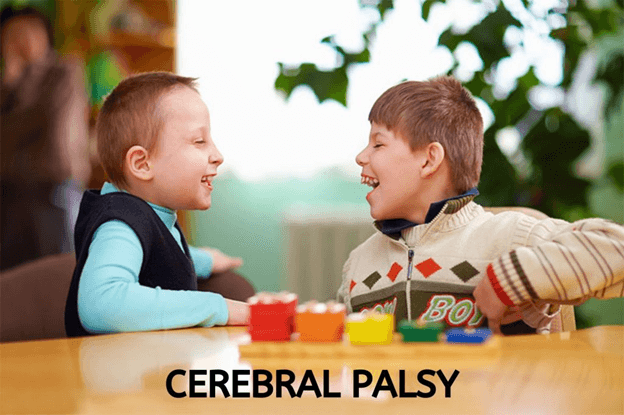
If you’ve ever wondered what life is like for a child with CP, it’s important to understand that it’s not just about difficulty walking or moving. This condition affects nearly every part of a child’s life, from their physical abilities to their learning, social interactions, and even their ability to eat or communicate.
Cerebral palsy (CP) is a condition that affects how a child moves, stands, and balances. The name itself gives you a clue about what’s happening: “Cerebral” means it’s related to the brain, while “palsy” refers to muscle weakness or issues with movement.
Early intervention for cerebral palsy can significantly improve the quality of life. The condition itself isn’t something that gets worse over time, but the challenges a child faces can change as they grow up. It is this early intervention that curbs the severity of the symptoms for them.
Some kids might only have mild difficulties, like a slight limp or difficulty with fine motor skills, while others might need a wheelchair and help with daily activities for their entire life.
Here are the major impacts CP has on a child:
Growth and Development Delays
Many children with moderate to severe CP experience delays in their physical development. This is because the condition affects muscle growth. The muscles might not grow at the same rate as their bones, so their limbs may be smaller or shorter.
These growth delays can make it harder for children to do things like walk, run, or even sit up straight without support.
Spinal Issues and Pain
Cerebral palsy can also lead to spinal deformities like scoliosis (a curved spine), kyphosis (hunchback), and lordosis (a pronounced inward curve of the lower back). These problems can cause pain, make movement even harder, and sometimes require surgeries or braces to help keep the spine aligned.
Intellectual and Sensory Challenges
Not all children with CP have intellectual disabilities, but about 30% do. Children who also have epilepsy (a condition that causes seizures) are more likely to have intellectual disabilities as well.
Some may struggle with processing visual information, which means they may have trouble judging distances or recognizing objects. Others might have hearing impairments, which could make learning to speak and communicate even more difficult.
Communication and Social Challenges
Speech can be difficult for children with CP because they might struggle to control their tongue and mouth muscles. This can make it hard to form words or speak clearly. Some children also have difficulty coordinating their breathing while talking, making their speech sound breathy or strained.
Also, around 25% of children with CP have difficulty speaking at all and may rely on alternative methods like sign language or communication devices. These difficulties can make social interactions more challenging.
Some children with CP may struggle to express their thoughts, leading to frustration, and they might have difficulty making friends.
Pain and Discomfort
Living with CP can also be painful. In fact, three out of four people with CP experience pain in their daily lives. The muscle tightness, unusual posture, and joint problems that come with CP can lead to chronic pain.
This pain can interfere with sleep, daily activities, and even a child’s ability to focus in school or enjoy social interactions. Managing pain often requires physical therapy, medications, and sometimes surgery.
Mobility Issues
The way CP affects movement varies a lot. Some children might walk on their own, others might need a walker or braces, while some may use a wheelchair full-time. Doctors use something called the Gross Motor Function Classification System (GMFCS) to describe how much CP affects a child’s mobility.
At Level 1, a child can walk normally but might struggle with balance or running. At Level 2, they can still walk but might need a railing to go upstairs. At Level 3, they may need a walker or crutches for shorter distances and a wheelchair for longer trips.
At Level 4, they likely use a wheelchair most of the time but may be able to move around with help. At Level 5, they rely on a wheelchair completely and have limited ability to control their arms, legs, and even head movements.
Remember that medical negligence is the most common cause of cerebral palsy. Parents can take action against the negligent party with the help of a lawyer. The lawyer will calculate losses, negotiate with insurance adjusters, and secure fair compensation.
