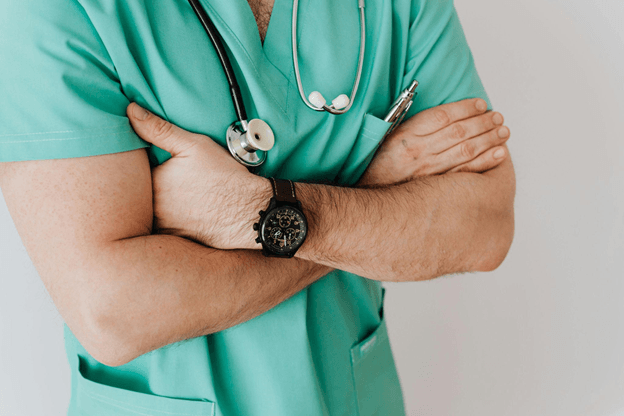
Healthcare is one of the most reliable career fields. It offers stability, competitive salaries, and endless opportunities for growth. With an aging population and an increasing demand for healthcare services, professionals in this industry are needed now more than ever.
If you’re looking for a career that ensures job security while allowing you to make a difference, healthcare is a great choice. You don’t have to be a doctor to have a fulfilling career in this field. From nursing and medical technology to healthcare management, there are plenty of options. Let’s explore some of the best healthcare careers that offer strong growth potential and long-term stability.
1. Nursing: A High-Demand Career with Multiple Pathways
Nursing is one of the most sought-after professions in healthcare. Nurses are the backbone of the medical system, working directly with patients in hospitals, clinics, long-term care facilities, and even private homes.
One of the best things about nursing is the variety of career paths it offers. You can start as a Licensed Practical Nurse (LPN), become a Registered Nurse (RN), or advance to specialized roles like Nurse Practitioner (NP), Certified Nurse Midwife (CNM), or Nurse Anesthetist (CRNA). These advanced roles come with higher salaries and more responsibilities.
If you’re considering a career in nursing, choosing a nursing school that is accredited and offers hands-on clinical training is essential. Accelerated programs are also available for those who already have a degree in another field, allowing for a quicker career transition into nursing.
2. Physical Therapists: Helping Patients Regain Mobility
Physical therapists (PTs) help patients recover from injuries, surgeries, and chronic conditions. They create personalized treatment plans to improve mobility and reduce pain.
To become a PT, you need a Doctor of Physical Therapy (DPT) degree and state licensure. With the opportunity to work in hospitals, sports clinics, and private practice, physical therapy offers both job security and a meaningful career.
3. Medical and Health Services Managers: Overseeing Healthcare Operations
Not all healthcare careers involve direct patient care. Medical and health services managers work behind the scenes to ensure hospitals, clinics, and nursing homes operate efficiently. They oversee budgets, manage healthcare staff, and ensure compliance with healthcare regulations.
With an aging population and increasing healthcare demands, the need for healthcare administrators is growing rapidly. Most positions require a bachelor’s or master’s degree in healthcare administration or public health. With high salaries and strong job security, this role is perfect for individuals who enjoy leadership and organizational management.
4. Medical Laboratory Technologists: Behind-the-Scenes Experts
Medical laboratory technologists and technicians play a critical role in diagnosing diseases. They analyze blood, tissue, and fluid samples to help doctors make accurate diagnoses.
Most lab tech positions require a bachelor’s degree in medical laboratory science. As diagnostic testing becomes more advanced, the demand for skilled laboratory professionals continues to rise. This is a great career choice for those interested in healthcare but who prefer working in a lab rather than directly with patients.
5. Physician Assistants (PAs): Providing Direct Patient Care
Physician Assistants (PAs) play a crucial role in healthcare, working alongside doctors to diagnose illnesses, prescribe medications, and perform minor procedures. PAs have a projected job growth rate of 28%, making this one of the fastest-growing medical careers.
To become a PA, you need a master’s degree in physician assistant studies and clinical experience. The high demand for PAs is driven by a shortage of doctors, especially in rural areas. Many patients now see PAs for routine healthcare, reducing the workload for physicians while maintaining high-quality patient care.
With a strong salary, career stability, and the ability to specialize in different medical fields, becoming a PA is an excellent option for those interested in hands-on patient care.
6. Radiologic and MRI Technologists: Imaging Specialists in Healthcare
Radiologic and MRI technologists operate advanced imaging equipment to help diagnose medical conditions. They work in hospitals, diagnostic centers, and outpatient facilities.
This career requires an associate’s degree or certification in radiologic technology. The demand for skilled imaging professionals continues to grow as more people require diagnostic scans for early disease detection.
7. Pharmacists: Experts in Medication and Patient Care
Pharmacists ensure patients receive the correct medications and understand their proper use. They work in hospitals, retail pharmacies, and research settings.
To become a pharmacist, you need a Doctor of Pharmacy (PharmD) degree and must pass a licensing exam. With the rise of personalized medicine and complex drug treatments, pharmacists remain essential in the healthcare system.
8. Occupational Therapists: Improving Daily Life for Patients
Occupational therapists (OTs) help patients regain independence after injuries or disabilities. They work with individuals recovering from strokes, surgeries, or developmental conditions.
OTs need a master’s degree in occupational therapy and must be licensed. This career has a strong job outlook, with increasing demand for rehabilitation services.
9. Respiratory Therapists: Essential for Patients with Breathing Disorders
Respiratory therapists treat patients with conditions like asthma, chronic obstructive pulmonary disease (COPD), and sleep apnea. They often work in hospitals and critical care units.
To enter this field, you need an associate’s degree in respiratory therapy. With the rise in respiratory diseases, job opportunities in this field are expected to grow significantly.
10. Home Health and Personal Care Aides: Supporting Patients at Home
As more people prefer receiving care at home rather than in hospitals, the demand for home health aides is growing. These professionals assist patients with daily activities, medication management, and basic medical needs.
A high school diploma and short-term training are typically enough to start this career. While salaries are lower than other healthcare professions, job security is strong due to the high demand for home-based care.
Healthcare careers offer stability, growth, and a chance to make a meaningful impact. Whether you’re interested in hands-on patient care, administration, or technology, there’s a healthcare job that fits your skills and interests. If you’re considering a career in this field, now is the perfect time to get started. With the right education and training, you can secure a rewarding and stable future in healthcare.
