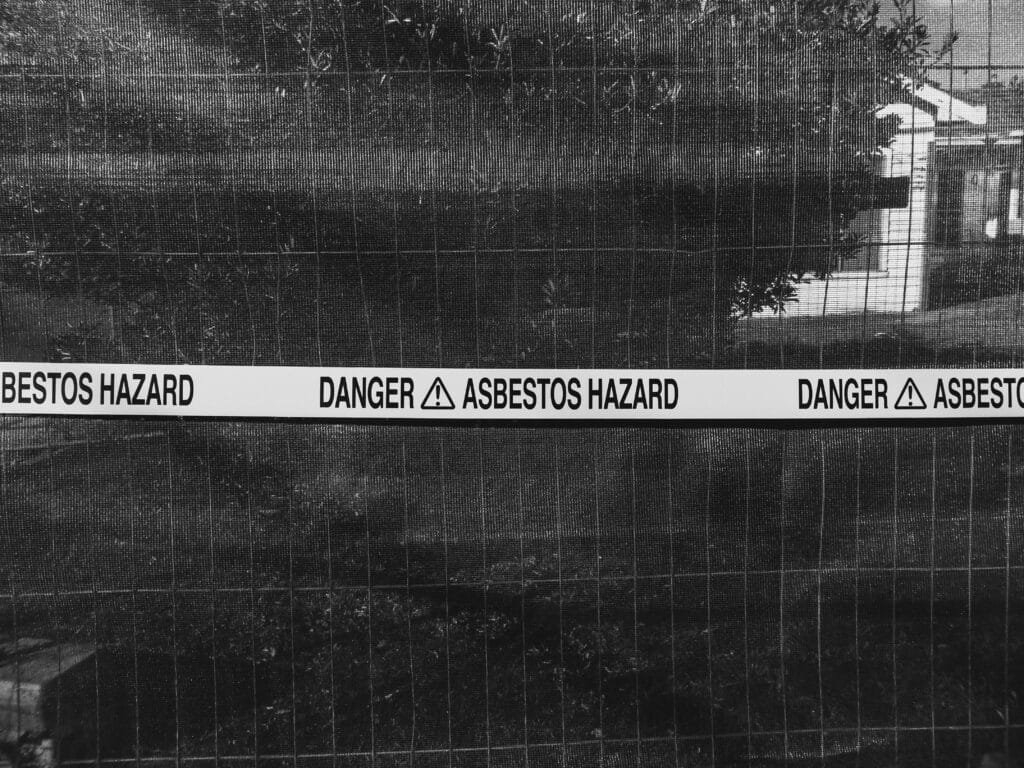
Invisible threats are frequently the most dangerous, and asbestos remains one of the most overlooked hazards in homes, workplaces, and older infrastructure. Once hailed as a miraculous material for its fire resistance and insulating qualities, asbestos today has a reputation based on permanent health effects. It still exists in many nations despite bans and rigorous rules; it permeates numerous buildings and daily exposes unsuspecting people to danger. Before a serious illness begins, knowledge of where the risk exists and how to minimize exposure will help to prevent it.
Understanding Where Asbestos Still Exists in Today’s Environments
Asbestos is not a relic of the past; it can still be found in places where people live every day. Older homes, businesses, industries, and schools all frequently have asbestos in insulation, roofing, ceiling tiles, and flooring components. Asbestos fibers abound even in some vehicle parts, including clutches and brake pads. Disturbance of these materials during renovations, demolitions, or mechanical repairs greatly raises the risk. If the fibers become airborne and are inhaled, they settle into lung tissue and start decades-long chronic diseases. The first step toward lowering exposure and protecting your health in surroundings where asbestos still exists is realizing the presence of hazardous materials.
Recognizing Occupational Risks Across Multiple Industries
Particularly in jobs involving construction, shipbuilding, firefighting, demolition, and manufacturing, some industries expose employees to a far greater risk of asbestos exposure. Jobs like drilling, sanding, or cutting used materials can disrupt asbestos and spew dangerous fibers into the air. Workers unwittingly inhale these small fibers without using appropriate personal protective gear or containment procedures. The consequences are not instantaneous, but over time, the damage accumulates. In many cases, employees impacted by extended exposure have pursued justice by means of an asbestos lawsuit, therefore rendering corporations responsible for dangerous conditions. Knowledge of these industrial hazards forces companies and employees to prioritize prevention and demand safer surroundings.
Preventing Exposure Through Professional Inspections and Abatement
Assuming the existence of asbestos is a smart step when handling older buildings. Hiring trained experts to do extensive examinations prior to any restorations or demolitions starts the safest path. These professionals gather samples from questionable materials and run them in specialist labs. If asbestos is confirmed, licensed abatement teams use rigorous protocols to confine and eliminate it without endangering its surrounding environment. Using non-professionals or attempting removal yourself raises the risk of releasing fibers, resulting in more damage than benefit. Professional handling guarantees that all local and federal safety rules are observed, in addition to avoiding exposure.
Promoting Education and Community Awareness to Reduce Long-Term Risk
Starting the prevention of asbestos-related diseases begins with education. Understanding the hazards helps communities to be better suited to responding when asbestos is discovered. Offering seminars, information campaigns, and easily available resources, schools, public housing agencies, and local governments all help greatly to raise awareness. Preventive culture results from residents knowing what to look for, who to call, and what steps to take. Early education helps younger generations and children, as well as creates habits that will keep them safe down the road. Effective communication and community involvement help to avoid false information, therefore guaranteeing that preventative measures are based on facts rather than fear.
Monitoring Health and Taking Action When Symptoms Emerge
Exposure to asbestos is often undetectable until symptoms show up years—or even decades later. Commonly missed or misinterpreted include persistent coughing, chest discomfort, and breathing difficulties. Early identification becomes challenging since diseases, including mesothelioma, asbestosis, and lung cancer, advance gradually. Routine medical monitoring helps those who have had past job exposure or who have lived in high-risk surroundings. Pulmonary function tests and periodic imaging can find abnormalities before they turn fatal. Making proactive healthcare decisions not only increases the likelihood of a successful treatment but also offers important documentation should long-term exposure lead to legal or occupational claims.
Conclusion
From workers in factories to families living in older homes, the silent menace of asbestos still affects individuals in all spheres of life. Starting with knowledge—about where asbestos hides, when it’s dangerous, and what procedures could prevent contact—protecting against exposure starts. Strong community awareness, proactive inspections, and careful environmental and health monitoring help you to build a barrier between yourself and this long-standing hazard. Though it requires dedication and care, the benefits are peace of mind and defense from a threat that usually strikes the least expected. Staying informed ensures that you are safe no matter where the risk arises.
