
When you reach for that glass of wine after a long day or crack open a beer at a weekend barbecue, cancer probably isn’t on your mind. But maybe it should be.
In January 2025, U.S. Surgeon General Dr. Vivek Murthy issued a groundbreaking advisory calling for cancer warning labels on alcoholic beverages, highlighting that alcohol consumption is linked to at least seven types of cancer. The numbers are staggering: alcohol contributes to about 100,000 cancer cases and 20,000 cancer deaths annually in the United States.
So why don’t more Americans know about this connection? As Surgeon General Murthy put it, “Most people don’t know about this link. And that’s the key reason why I’m putting out this advisory today”.
How Does Alcohol Actually Cause Cancer?
This isn’t some brand new discovery. Scientists have known about the alcohol-cancer link for decades. The World Health Organization started calling alcohol a carcinogen back in 1987. So why don’t we all know about it?
When you drink alcohol, your body breaks it down into something called acetaldehyde. Think of acetaldehyde as toxic waste that damages your DNA and proteins. Your body tries to clean up this mess, but sometimes the damage sticks around.
But wait, there’s more.
Alcohol also creates what scientists call reactive oxygen species. These are basically troublemakers that damage your cells from the inside out.
Here’s where it gets really concerning for women. Alcohol increases estrogen levels in your body. High estrogen levels can fuel breast cancer. In fact, about 16% of all breast cancer cases are linked to drinking alcohol.
Which cancers are we talking about? Seven main types: breast, colon, throat, mouth, liver, esophagus, and voice box cancers. And here’s something important – it doesn’t matter if you drink wine, beer, or spirits. All alcohol increases your cancer risk because it’s the alcohol itself that causes the damage.
You might think light drinking is safe, but even small amounts can increase your risk. There’s no magic safe level when it comes to cancer.
Making Warning Labels Happen
So if alcohol causes cancer, why don’t the bottles tell us? Good question.
Right now, alcohol labels only warn about pregnancy and drunk driving. Those warnings haven’t been updated since 1988. That’s over 35 years without mentioning cancer once.
Getting new labels isn’t simple. Congress has to approve any changes to alcohol warning labels. And let’s be honest, the alcohol industry isn’t exactly jumping at the chance to put cancer warnings on their products.
But there is hope. Ireland is already moving forward with cancer warning labels on alcohol. They’re showing it can be done. The question is whether American lawmakers will follow suit.
Think about cigarettes. When the Surgeon General released that famous report about smoking and cancer in 1964, Congress passed warning label laws the very next year. It took time, but those labels helped change how Americans think about smoking.
The same thing could happen with alcohol, but it won’t be easy. The alcohol industry is huge, and drinking is deeply woven into American culture.
Changing How We Think About Alcohol
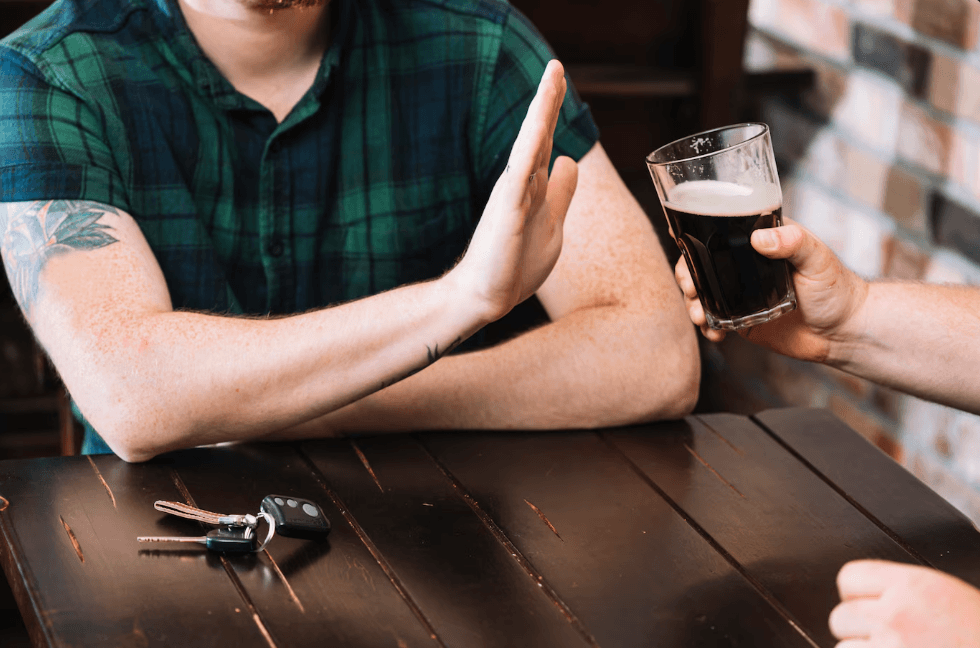
Warning labels are just the beginning. Real change means shifting how our entire culture views alcohol. Remember how normal smoking used to be? People smoked in restaurants, on airplanes, even in hospitals. Now, most people understand that smoking kills.
We need the same shift with alcohol. But here’s the challenge: we love our drinks. Happy hours, wedding toasts, and celebrating with champagne. Alcohol is everywhere in our social lives.
Plus, the alcohol industry spends billions on advertising that makes drinking look fun, sophisticated, and harmless. Compare that to the tiny budgets for public health messages about cancer risks.
But things are starting to change. Younger people are drinking less than previous generations. Many are choosing non-alcoholic alternatives. This gives us hope that attitudes can shift.
What would real change look like? A few things need to happen:
Doctors need to talk to patients about alcohol and cancer risk during regular checkups. Right now, most don’t bring it up unless someone already has a drinking problem.
We need better education campaigns that help people understand the risks. This is where professionals with the right training can make a real difference. As discussions intensify regarding mandatory cancer warning labels on alcoholic beverages, it’s clear that public health education needs a significant boost, and for those passionate about driving such change, taking courses like an online mental health counseling masters cacrep programs can provide crucial skills in advocacy and community outreach.
Communities can create policies that make it easier for people to drink less, like limiting alcohol advertising or reducing the number of liquor stores in certain areas.
We need to keep sharing the facts. In 2022 alone, more than 538,000 alcohol-related cancers occurred in the United States. When people see numbers like this, it can wake them up to the real risks.
—
The Surgeon General’s report is a big deal. These advisories don’t come out often; they’re saved for serious health threats that need immediate attention.
Will Congress actually require cancer warnings on alcohol? That’s the big question.
The alcohol industry will fight it, but major medical organizations like the American Medical Association are backing the idea.
Even if new labels take time, you don’t have to wait. You can start making informed choices about your drinking right now. The science is clear: less alcohol means lower cancer risk.
The bottom line is simple. Alcohol causes cancer. Not everyone who drinks will get cancer, but your risk goes up every time you drink. Now that you know this, what are you going to do with that information?
