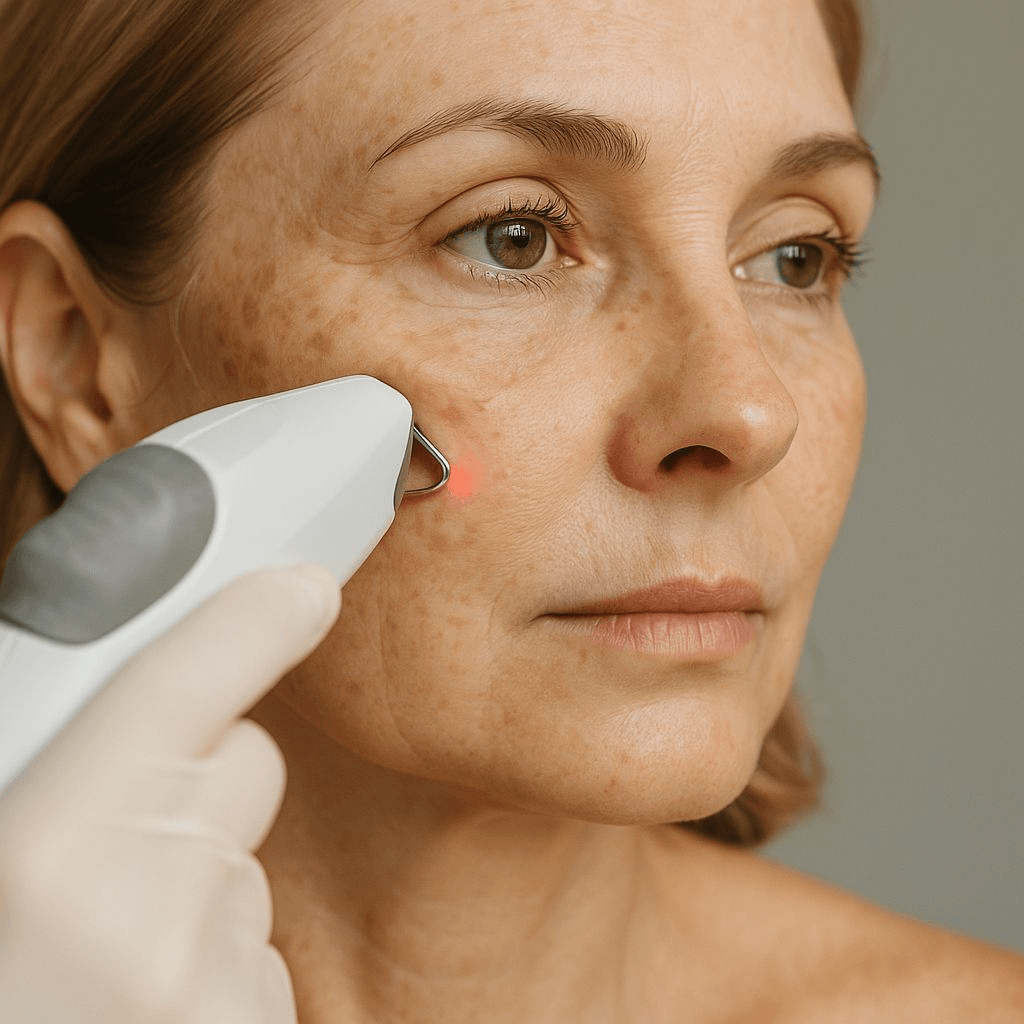
Hyperpigmentation is one of the most common skin concerns worldwide. It affects people of all skin types, genders, and ages, often appearing as sunspots, freckles, age-related pigmentation, or melasma. While these changes are rarely dangerous, they can impact confidence and self-image. As people live longer and spend more time in the sun, the demand for effective, safe, and lasting solutions continues to grow.
Over the years, treatments have evolved from simple creams and chemical peels to sophisticated lasers. In recent years, one technology has gained significant attention: the pico laser. Known for its ultra-fast pulses and ability to target pigment without causing extensive damage, pico lasers are being promoted as a breakthrough for stubborn hyperpigmentation. But do they live up to the promise?
The Science Behind Hyperpigmentation
To understand why pico lasers are relevant, it helps to first look at why pigmentation occurs. The skin produces melanin as a defense against ultraviolet (UV) light. When UV rays penetrate the skin, melanocytes produce more melanin to protect deeper layers. Over time, this protective response can become uneven, leading to dark patches or spots.
Other triggers include hormonal changes, inflammation, and injury to the skin. Melasma, for example, often worsens during pregnancy or with oral contraceptive use. Post-inflammatory hyperpigmentation (PIH) may follow acne or trauma. While causes vary, the common feature is excess melanin accumulation.
Traditional Approaches: Strengths and Limitations
Historically, patients turned to creams containing hydroquinone, retinoids, or vitamin C. These ingredients reduce pigment production or accelerate skin turnover. While effective for some, they often require months of use, and results may fade once treatment stops.
Chemical peels offer another option. By exfoliating surface layers, peels lighten superficial pigmentation. Yet they can irritate, especially in sensitive or darker skin tones, and recurrence remains common.
Microdermabrasion and microneedling provide texture improvements but are less targeted for pigmentation.
Lasers entered the picture in the 1990s. Q-switched lasers, for instance, used nanosecond pulses to shatter pigment particles. They were successful for tattoos and some pigment conditions, but they carried risks of rebound hyperpigmentation, particularly in darker skin types.
Enter the Pico Laser
Pico lasers represent a significant shift. Instead of nanosecond pulses, they deliver energy in picoseconds, which means trillionths of a second. This ultra-fast delivery shatters pigment particles mechanically rather than relying solely on heat. Less heat means lower risk of damaging surrounding tissue.
The result is a treatment that can break down pigment granules more precisely and with fewer side effects. By creating microscopic changes, pico lasers also stimulate collagen production, offering potential benefits for fine lines and acne scars.
Why Pico Lasers Stand Out
Several features explain why pico lasers are being hailed as next-generation tools:
- Reduced downtime: Because the treatment is gentler on surrounding skin, patients usually recover quickly with minimal redness.
- Suitability for darker skin: Traditional lasers often caused burns or pigmentation shifts in higher Fitzpatrick skin types. Pico lasers, with their reduced heat profile, are safer for a wider range of skin tones.
- Versatility: Beyond hyperpigmentation, pico lasers are used for tattoo removal, acne scar treatment, and general skin rejuvenation.
- Collagen stimulation: Studies from 2019 to 2024 show pico lasers not only clear pigment but also improve overall texture.
For patients struggling with stubborn sunspots or melasma, picosecond lasers have emerged as a viable addition to the toolkit.
Evidence From Recent Studies
Clinical trials over the past five years provide insight into what pico lasers can and cannot achieve.
- A 2020 Korean study treated melasma patients with pico lasers and reported significant improvement with fewer side effects compared to older Q-switched systems.
- Research in 2022 from Europe followed patients with sun-induced pigmentation. After three to five sessions, most saw visible lightening, with lower recurrence rates at six months.
- A 2023 American review compared pico with fractional CO2 and erbium lasers. While CO2 offered stronger resurfacing for wrinkles, pico performed better for pigment-specific concerns, especially in patients with darker skin tones.
- In 2024, a multicenter trial confirmed that pico lasers improved mixed pigmentation, including freckles, lentigines, and post-inflammatory hyperpigmentation, with high satisfaction scores.
The consistency of findings across countries suggests pico lasers are more than just marketing hype.
Comparing Pico With Other Options
No single treatment suits everyone. Pico lasers have advantages, but context matters.
- Fractional CO2 lasers remain the gold standard for deep wrinkles and scars. They resurface both surface and deeper tissue, but downtime is longer and pigment risk is higher in darker skin.
- Erbium lasers offer controlled resurfacing with less downtime than CO2, but they are less powerful for pigment.
- Microneedling helps with acne scars and overall texture but does little for melanin clusters.
- Topical regimens remain important for maintenance, especially hydroquinone or retinoids.
For pigment-driven concerns like sunspots or melasma, pico lasers often provide a better balance between safety and effectiveness. For structural issues such as sagging or deep scars, other modalities may be stronger.
Patient Experience and Expectations
A typical pico session lasts 15 to 30 minutes. Discomfort is minimal, often described as a snapping sensation. Redness and mild swelling may appear but usually resolve within a day or two. Unlike stronger resurfacing lasers, patients can often return to daily routines immediately.
Results are gradual. Most patients require three to six sessions spaced a month apart. Pigment lightens progressively, and skin appears brighter and more even. However, realistic expectations are essential. Pico lasers reduce pigmentation, but they do not erase it entirely. Sun exposure or hormonal shifts can trigger recurrence.
Safety Profile
The reduced heat generated by pico lasers translates into fewer side effects. Still, some risks remain. Temporary redness, swelling, or small crusts can occur. Rarely, hyperpigmentation or hypopigmentation may develop, particularly in patients who neglect sun protection after treatment.
Because the technology is precise, operator training remains critical. Incorrect settings can still cause burns or inadequate results. Patients should seek providers with experience using pico systems on their specific skin type.
The Role of Sun Protection
Even the most advanced laser cannot overcome poor habits. Sun protection is the cornerstone of any pigmentation management plan. After treatment, skin is more vulnerable to UV light. Without diligent use of sunscreen, hats, and shade, pigmentation can return quickly.
Long-term success with pico lasers depends on combining treatment with consistent lifestyle measures. In this sense, lasers are tools, not miracles.
Looking Ahead
As of 2025, pico lasers continue to gain ground. Manufacturers are refining pulse durations, energy delivery, and handpieces to make treatments more versatile. Research is exploring combination therapies, such as pairing pico with topical tranexamic acid or vitamin C to enhance results. Early reports suggest synergy between energy-based devices and pharmaceutical approaches may become the standard in the coming years.
At the same time, accessibility is expanding. While pico lasers were once limited to high-end clinics, more dermatology practices now offer them. Costs vary, but increased availability could make them a more common option worldwide.
Key Takeaways
- Hyperpigmentation remains one of the most common cosmetic skin concerns in 2025.
- Traditional treatments help but often fall short, especially for stubborn melasma or deep sun damage.
- Pico lasers deliver energy in ultra-fast pulses that shatter pigment while sparing surrounding tissue.
- Studies from 2020 to 2024 confirm their safety and effectiveness across a variety of skin types.
- Results are gradual and require multiple sessions, with maintenance depending on lifestyle and sun protection.
- Pico lasers are not replacements for other technologies but are powerful tools in the right context.
Final Word
Hyperpigmentation has long challenged both patients and practitioners. In 2025, pico lasers represent a meaningful step forward, combining precision with safety. They are not hype, but neither are they magic. Their role lies in careful application, realistic expectations, and partnership with healthy skin practices.
For people seeking brighter, more even skin tone, the evidence suggests that pico laser treatment is a valuable option when guided by skilled professionals. The results may not be instant, but with patience and consistency, they can be both visible and lasting.
