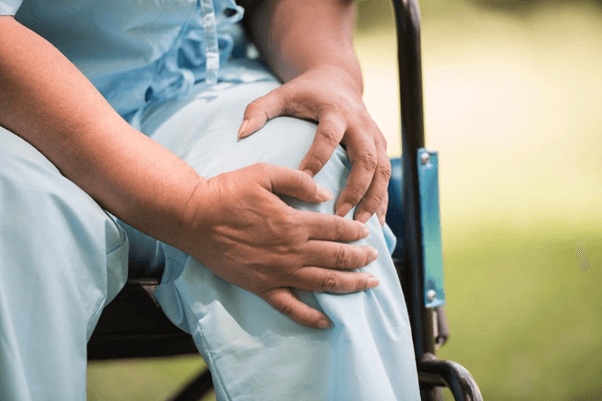
Dealing with joint aches and pains is a common challenge that many people face, particularly as they age or if they suffer from conditions such as arthritis. Effective management of joint pain is crucial for maintaining a good quality of life. Here are several strategies to help alleviate joint pain and improve joint health.
1. Regular Exercise
Engaging in regular physical activity is one of the best ways to maintain joint health. Low-impact exercises such as swimming, walking, and cycling can help keep your joints flexible and strengthen the muscles around them. Strength training exercises can also be beneficial, as they help support the joints by building muscle strength. Yoga and stretching exercises improve flexibility and reduce stiffness, which can help manage pain.
2. Weight Management
Maintaining a healthy weight is crucial for reducing joint pain, particularly in weight-bearing joints like the knees and hips. Excess body weight puts additional stress on these joints, which can exacerbate pain and lead to further joint damage. Adopting a balanced diet and regular exercise routine can help manage weight effectively.
3. Healthy Diet
Eating a diet rich in anti-inflammatory foods can help reduce joint pain. Foods that are high in omega-3 fatty acids, such as salmon, walnuts, and flaxseeds, can help reduce inflammation. Additionally, consuming plenty of fruits and vegetables, whole grains, and lean proteins can provide the nutrients needed for overall joint health. Avoiding processed foods, sugars, and excessive amounts of red meat can also help manage inflammation.
4. Topical Treatments
Topical treatments can provide targeted relief for joint pain. Voltaren Gel (sold at homehealthcareshoppe.com), for example, is a nonsteroidal anti-inflammatory drug (NSAID) that can be applied directly to the skin over the painful joint. It helps reduce inflammation and pain at the source, providing effective relief for conditions like arthritis. This method is particularly useful for those who prefer not to take oral medications.
5. Heat and Cold Therapy
Applying heat or cold to painful joints can help manage pain and inflammation. Heat therapy, such as using a warm towel or heating pad, can help relax muscles and improve blood flow to the affected area. Cold therapy, such as applying an ice pack or ice tub therapy, can help reduce inflammation and numb the area to relieve pain. Alternating between heat and cold therapy can be particularly effective.
6. Pain Medications
Over-the-counter pain medications such as ibuprofen and acetaminophen can help manage joint pain. These medications reduce inflammation and provide pain relief. For more severe pain, a doctor may prescribe stronger medications. It is important to use these medications as directed and consult with a healthcare provider to ensure they are appropriate for your condition.
7. Physical Therapy
Working with a physical therapist can provide personalized treatment plans to manage joint pain. Physical therapists can teach exercises to improve strength and flexibility, as well as techniques to protect the joints during daily activities. They can also provide treatments such as ultrasound, electrical stimulation, and manual therapy to reduce pain and improve joint function.
8. Rest and Joint Protection
Ensuring that you get adequate rest and protecting your joints from overuse is essential for managing pain. Using assistive devices like braces, splints, or canes can help support the joints and reduce strain. Ergonomic tools and furniture can also help minimize joint stress during daily activities.
9. Alternative Therapies
Some people find relief from joint pain through alternative therapies such as acupuncture, massage therapy, and chiropractic care. These therapies can help reduce pain, improve joint function, and promote relaxation. It is important to consult with a healthcare provider before starting any alternative therapy to ensure it is safe and appropriate for your condition.
10. Stay Hydrated
Proper hydration is important for maintaining joint health. Water helps lubricate the joints and maintain the shock-absorbing properties of cartilage. Aim to drink at least eight glasses of water a day, or more if you are active or live in a hot climate.
Conclusion
Managing joint pain involves a combination of lifestyle changes, treatments, and preventive measures. Regular exercise, a healthy diet, weight management, and staying hydrated are foundational strategies for maintaining joint health. Incorporating topical treatments like Voltaren Gel (sold at homehealthcareshoppe.com) can provide targeted pain relief, while therapies such as physical therapy, heat and cold treatments, and alternative therapies can offer additional support. By adopting a comprehensive approach to joint care, you can effectively manage pain and improve your quality of life.
