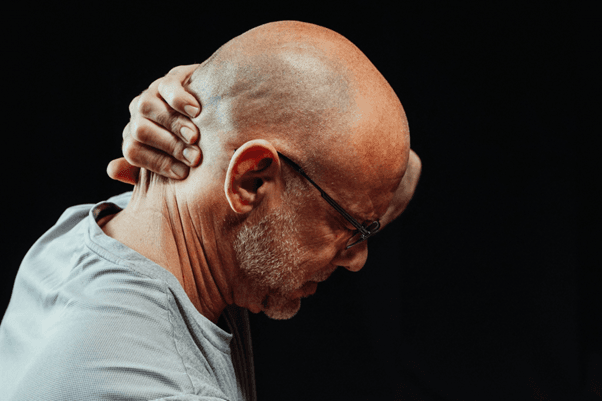
Since the brain controls all our thoughts, feelings, and behaviors, brain injuries can have a wide range of repercussions, contingent on the damage’s kind, location, and severity.
Many of the consequences of brain injury are “hidden,” meaning that because they are invisible, others may find it challenging to recognize or comprehend them. Brain damage is frequently referred to as a “hidden disability” for these reasons.
Brain injury can also affect relationships, work, and practical abilities like driving or everyday chores (such as washing, dressing, and meal preparation).
While no two brain injury experiences are the same, specific side effects, like fatigue and memory issues, are more frequent than others.
A brain injury can leave many people feeling as though they are “living life in the slow lane,” which can be distressing and challenging to get used to. Many patients claim to feel like a different person after their injury, and it can have an impact on their quality of life or sense of identity. A good brain injury attorney would be the perfect candidate to understand the nuances of brain injury cases and help you get fair compensation without much hassle.
In this article, let’s see how cognitive brain injuries impact functions and how they turn everyday life into a living hell.
What Does the Term “Cognition” Mean?
The mental processes in our brains that enable us to think and learn are called cognition. Brain damage can impact any of our cognitive abilities, making it harder for us to think, learn, and remember.
Even though some brain injury survivors recover well, many experience long-term cognitive consequences, with memory issues being among the most frequent. The mental effects of brain injury can be mitigated by using tools like organizers, timers, alarm clocks, and journals, among other things.
Difficulty in Focusing and Paying Attention
Those who have survived a brain injury may find it challenging to focus on information, mainly when many outside distractions exist. For example, if there is a lot of background noise, they could find it difficult to concentrate during a conversation.
Difficulty in Decision-Making
A brain damage survivor may find it more challenging to make decisions. These could be as simple as choosing what to dress or eat for supper or have to do with more complicated choices like financial issues. The victim could find it challenging to weigh their alternatives, project potential consequences, or recognize the hazards of making confident choices. Making judgments can be extremely difficult for some brain injury survivors, leaving them highly exposed. There are also some legal issues to consider if a person cannot decide in their best interest.
Language Difficulties
Aphasia is the term for speech or language difficulties. Following brain damage, a person may find it difficult to “find” the proper word or use language efficiently. While physical issues interfering with speech output may be the cause, cognitive issues related to language use and word retrieval may also be at play.
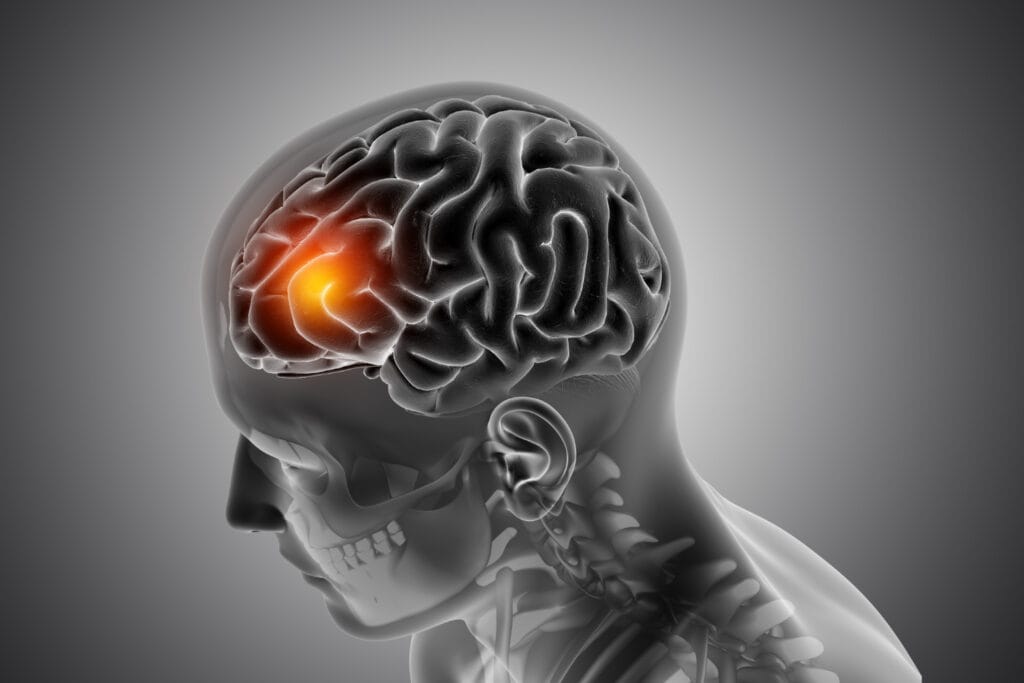
Lack of Motivation
Brain damage may result in a person losing the ability to “get up and go.” It could be difficult for them to start chores or to complete ones that they have already begun. This behavior could be misinterpreted by others as “laziness,” not realizing that it could be a result of brain damage.
Memory Issues
A brain injury can impact any of the numerous varieties of memory. This is referred to as anterograde amnesia. Many people experience difficulty recalling routine information, such as conversations or appointments, following a brain injury. Retrograde amnesia is the loss of pre-injury memories, and it can impair a person’s recall of significant life events like their wedding day or holidays.
Due to the involvement of multiple brain areas in memory, memory impairments are among the most common outcomes of brain injury. It may also be among the most problematic consequences of a brain injury for survivors to deal with.
