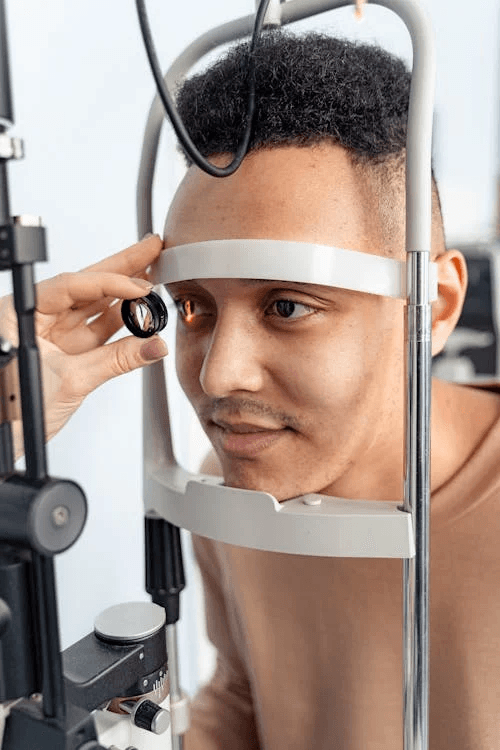
In your search for clear vision without the constant need for glasses or standard contact lenses, you may be weighing your options between non-surgical and surgical methods. Early on, consider that you can visit Eye Concepts in Australia to explore your vision correction options with Ortho-K as part of your decision-making process.
This article provides a detailed comparison of Ortho-K lenses and LASIK surgery, outlining how each works, the benefits and drawbacks, and the factors you should consider based on your lifestyle, prescription stability, and overall eye care needs.
What is Ortho-K?
Ortho-K, short for Orthokeratology, is a non-surgical vision correction method that uses specially designed rigid gas permeable (RGP) contact lenses. You wear these lenses overnight, allowing them to gently reshape the cornea while you sleep. As a result, you enjoy clear vision during the day without needing glasses or daytime contact lenses. This effect, however, is temporary and relies on consistent nightly lens wear. Should you stop using the lenses, your cornea gradually returns to its original shape.
These overnight contact lenses are particularly useful for managing myopia progression in children and adolescents. Many individuals with dry eyes from regular contact lenses also find Ortho-K lenses as a comfortable alternative.
What is LASIK?
LASIK (Laser-Assisted In Situ Keratomileusis) is a surgical procedure designed to provide permanent vision correction. During LASIK surgery, a thin flap is created on the surface of your cornea. A laser is then used to reshape the underlying corneal tissue, and the flap is repositioned afterwards. This reshaping aims to correct refractive errors such as myopia, hyperopia, and astigmatism, often reducing or eliminating your dependence on glasses or contact lenses.
LASIK surgery is typically recommended for adults whose prescriptions have stabilised over time. The permanence of LASIK means that once the procedure is performed, the changes to your cornea are intended to be lasting. However, this also implies that the effects cannot be reversed if complications arise or you are unhappy with the results.
BENEFITS AND DRAWBACKS
The Benefits of Ortho-K
- Non-Surgical and Reversible:
Since Ortho-K does not involve surgery, it avoids the inherent risks of surgical procedures. Its reversible nature also provides flexibility if you decide to explore other options. - Good for Active Lifestyles:
The overnight use of Ortho-K lenses means you can enjoy clear vision throughout the day without the hassle of glasses or daytime contacts, making it an appealing option for those with dynamic lifestyles. - Potential to Slow Myopia Progression in Children:
Research indicates that Ortho-K lenses may help control myopia progression in younger patients, providing an added benefit for long-term eye care. - Comfort for Dry Eyes:
Individuals who experience discomfort with standard contact lenses might find Ortho-K lenses more tolerable due to their unique design and overnight wear schedule.
The Drawbacks of ORTHO-K
- Temporary Correction:
The vision correction provided by Ortho-K is not permanent; it requires consistent nightly use to maintain clear vision during the day. - Requires Commitment:
You must adhere to a strict lens care regimen, including regular cleaning and periodic check-ups, to ensure that the lenses remain effective and safe. - Not Suitable for Everyone:
Certain corneal shapes or ocular conditions may render Ortho-K unsuitable. A thorough examination by an eye care professional is essential to determine if you are a good candidate. - Initial Adaptation Period:
Some users may experience an adjustment period as their eyes adapt to the overnight lens wear, during which temporary discomfort or visual fluctuations can occur. - Cost:
While the procedure is non-surgical, the ongoing expense of replacing and maintaining the lenses can accumulate over time.
The Benefits of LASIK
- Permanent Vision Correction:
LASIK offers a one-time surgical solution to improve vision, potentially eliminating the need for corrective eyewear. - Quick Results:
Many patients notice an improvement in their vision immediately or shortly following the procedure. - Minimal Discomfort:
The procedure is generally well tolerated, with most patients reporting minimal discomfort during and after the surgery. - Versatility:
LASIK can address many prescriptions, making it a versatile option for many seeking vision correction.
The Drawbacks of LASIK
- Surgical Procedure with Risks:
As with any surgery, LASIK carries inherent risks, such as complications during the procedure or issues during the healing process. - Not Reversible:
Once the procedure is completed, the changes to your cornea are permanent, which means that any complications or dissatisfaction with the outcome cannot be undone. - Dry Eye:
Post-surgical dry eye is a common side effect, which may require ongoing management. - Not Suitable for Everyone:
Certain eye conditions or unstable prescriptions may disqualify you from being an ideal candidate for LASIK. A comprehensive evaluation by your eye care professional is crucial.
Which Option Is Right For You?

Deciding between Ortho-K and LASIK depends on several personal factors. Ortho-K might be the more suitable option if you prefer a non-surgical approach with the flexibility of reversing the treatment. Conversely, if you are seeking a one-time solution with a permanent effect and have a stable prescription, LASIK surgery could be a more appropriate choice.
Your lifestyle, ocular health, and tolerance for potential risks should guide your decision. It is important to undergo a detailed consultation with an eye care professional who can assess your circumstances and help you determine which method aligns best with your needs.
The Bottom Line
Choosing between Ortho-K and LASIK is a decision that should be made based on a comprehensive evaluation of your vision needs, lifestyle considerations, and the professional advice provided by your eye care specialist. Both options have distinct advantages and drawbacks that must be carefully weighed. Whether you opt for the temporary, non-surgical correction offered by Ortho-K or the permanent surgical solution provided by LASIK, ensuring a clear understanding of the procedures is essential for achieving the best possible outcome.
Before making a final decision, consult a trusted eye care professional to discuss your candidacy, potential risks, and expected outcomes. This will help ensure that your vision correction option aligns with your long-term eye care goals and personal preferences.
