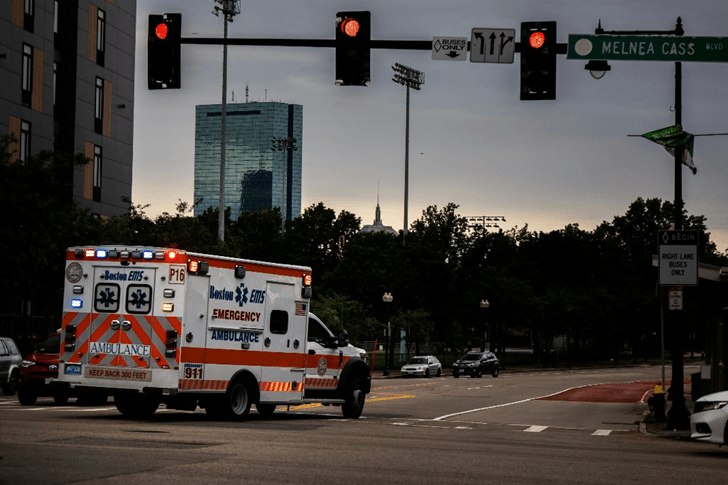
Medical emergencies are among the most unpredictable and financially draining events individuals face in life. While routine healthcare expenses can be budgeted for, unexpected and severe medical situations often catch people completely off guard.
These emergencies not only strain physical and emotional well-being but also place an enormous financial burden on families. In many cases, individuals are forced to exhaust their savings, borrow money, or incur long-term debt to cover the costs.
The unpredictability of such incidents underscores the need for strategic financial planning and a better understanding of how to mitigate these costs.
Financial Safety Nets and the Role of Modern Insurance
One of the primary defenses against crippling medical expenses is having proper insurance coverage. However, many people remain underinsured or lack insurance entirely, leaving them vulnerable during critical situations.
Traditional insurance policies are designed to cover hospitalizations, surgeries, and long-term treatments, but gaps often exist in coverage for specialized care, emergency transportation, or post-recovery rehabilitation. People tend to overlook the fine print in their policies, only realizing the extent of their financial exposure when an emergency occurs.
In recent years, the emergence of digital insurance platforms has changed how individuals secure health coverage. The best online insurance options provide transparent pricing and easy enrollment processes. These platforms simplify decision-making by allowing users to compare multiple plans side by side, making it easier to select coverage tailored to specific medical and financial needs. More importantly, online insurers often offer customizable add-ons, such as critical illness riders, which help close gaps left by standard policies.
Critical Illnesses and Long-Term Care
Severe illnesses such as cancer, kidney failure, or major heart conditions often require long-term treatment, multiple surgeries, and extensive post-care rehabilitation. These conditions typically involve repeated hospital visits, expensive medications, and specialized therapies, all of which accumulate significant costs over time. Even with standard insurance, many patients face large out-of-pocket expenses due to co-pays, deductibles, and non-covered treatments.
For individuals without adequate emergency savings, managing such expenses can lead to financial instability. Families are often forced to liquidate assets or resort to high-interest loans, creating a cycle of debt that lasts for years. Establishing a dedicated emergency fund, even if modest, provides a financial cushion and reduces reliance on debt during extended treatment periods.
Emergency Surgeries and Accidental Injuries
Accidents are one of the leading causes of unexpected medical expenses. Whether it involves fractures, head injuries, or internal bleeding, emergency surgeries demand immediate intervention and can cost thousands of dollars. The financial impact is even greater when specialized surgical procedures, intensive care stays, and follow-up physiotherapy are required.
Accidental injuries also carry indirect financial consequences, such as loss of income during recovery and the potential need for home modifications or mobility aids. Many individuals underestimate these additional costs, leaving them unprepared when such emergencies occur.
Chronic Conditions Turning into Emergencies
Chronic conditions such as diabetes, hypertension, and asthma can escalate into life-threatening emergencies when not managed properly. For instance, untreated hypertension can result in strokes or heart attacks, while poorly controlled diabetes can lead to diabetic ketoacidosis or kidney failure. Emergency hospitalizations for these conditions often involve intensive care, specialist consultations, and expensive diagnostic procedures.
The financial challenge lies not just in the emergency treatment but also in the ongoing management required to prevent recurrence. Regular check-ups, lifestyle modifications, and continuous medication significantly increase long-term healthcare spending.
Maternal and Neonatal Emergencies
Pregnancy-related complications, such as preeclampsia, premature births, or emergency C-sections, often incur substantial medical expenses. Neonatal care, especially for premature babies requiring intensive care units, is one of the most expensive types of medical treatment. While many expectant parents prepare for standard delivery costs, very few plan for emergencies that can multiply expenses exponentially.
These situations not only demand immediate financial resources but can also result in long-term costs related to specialized neonatal care or developmental therapies for infants. Proper insurance coverage, specifically maternity and neonatal riders, plays a critical role in reducing financial stress during such life-changing emergencies.
Mental Health Crises Requiring Immediate Intervention
Mental health emergencies, such as severe anxiety attacks, psychotic episodes, or suicide attempts, often require urgent psychiatric intervention, hospitalization, and long-term therapy. Unlike physical health emergencies, mental health treatment is frequently under covered by standard insurance policies, leaving families to bear most of the costs.
Additionally, rehabilitation programs and continuous therapy sessions can stretch over months, creating sustained financial pressure. Awareness of mental health coverage within insurance plans and allocating funds specifically for psychological well-being are essential steps in preparing for these emergencies.
Emergency Dental and Oral Surgeries
Dental emergencies, such as severe infections, impacted wisdom teeth, or facial trauma, can also carry significant costs. Unlike general medical procedures, dental treatments are often excluded or minimally covered under standard health insurance. Emergency oral surgeries may involve specialized surgeons, anesthesia, and follow-up procedures, making them financially draining.
Individuals often overlook dental coverage when planning their healthcare expenses, only to face high out-of-pocket payments during emergencies. Supplementary dental insurance or dedicated savings for oral health can help address these gaps.
The Hidden Costs of Post-Emergency Recovery
Recovering from a medical emergency does not end when hospital treatment concludes. Post-emergency costs such as physiotherapy, occupational therapy, specialized diets, mobility aids, or home healthcare services can add up significantly. Many families underestimate these expenses and focus solely on immediate treatment costs.
Additionally, time away from work due to prolonged recovery can lead to income loss, compounding financial stress. Setting aside funds for post-treatment care or investing in policies that cover rehabilitation and home-care services can help manage these hidden costs.
Medical emergencies are unavoidable, but their financial impact can be managed with proper preparation. Comprehensive insurance coverage, awareness of digital insurance options, understanding of financial tools like residency loans, and the establishment of a robust emergency fund are critical steps in mitigating risks.
Bottom of Form
