Introduction: Why Meditation Is Becoming Essential in Modern Life
In a world filled with constant notifications, stress, and mental overload, meditation has become more than just a spiritual practice—it is now a practical tool for mental and physical health.

Meditation is the practice of training your mind to focus, relax, and become aware of the present moment. It does not require special equipment, expensive memberships, or advanced skills. Just a few minutes a day can lead to measurable changes in how you think, feel, and react to stress.
But what exactly are the benefits of meditation, and why is it recommended by doctors, therapists, and wellness experts worldwide?
Let’s explore.
1. Reduces Stress and Anxiety
One of the most well-known benefits of meditation is its ability to reduce stress.
When you meditate, your body activates the parasympathetic nervous system, which is responsible for “rest and recovery.” This helps lower cortisol, the primary stress hormone.
What this means in real life:
- Less mental overload
- Reduced anxiety symptoms
- Better emotional control during stressful situations
Over time, regular meditation can help you respond to stress more calmly instead of reacting impulsively.
2. Improves Focus and Concentration
Meditation is often described as “strength training for the brain.”
When you practice focusing on your breath or a single point of attention, you are training your brain to stay present. This improves your ability to concentrate in daily life.
Benefits include:
- Better productivity at work or school
- Less distraction from social media or multitasking
- Improved memory retention
Studies show that even short daily meditation sessions can enhance attention span and cognitive performance.
3. Supports Better Sleep Quality
Many people struggle with sleep due to racing thoughts or anxiety. Meditation helps calm the mind before bedtime.
By slowing down mental activity, meditation reduces overthinking and helps the body transition into a relaxed state.
Common improvements:
- Falling asleep faster
- Fewer nighttime awakenings
- Deeper, more restorative sleep
A simple 5–10 minute breathing meditation before bed can significantly improve sleep quality over time.
4. Enhances Emotional Health
Meditation increases awareness of your thoughts and emotions without judgment. This helps you better understand how you react to situations.
Over time, this can lead to:
- Reduced irritability
- Improved emotional regulation
- Greater sense of inner stability
It does not eliminate emotions—it helps you manage them more effectively.
5. May Lower Blood Pressure and Improve Heart Health
Relaxation practices like meditation can have physical benefits on the cardiovascular system.
By reducing stress levels, meditation may contribute to:
- Lower blood pressure
- Improved circulation
- Reduced strain on the heart
While meditation is not a replacement for medical treatment, it is often used as a complementary wellness practice.
6. Increases Self-Awareness
Meditation encourages you to observe your thoughts instead of being controlled by them.
This leads to:
- Better understanding of your habits
- Increased self-reflection
- More intentional decision-making
Many people report feeling “clearer” about their goals and values after developing a consistent meditation habit.
7. Helps Manage Overthinking
Overthinking is often caused by repetitive thought loops that feel difficult to stop.
Meditation helps break this cycle by training your attention to return to the present moment.
Results often include:
- Less rumination about the past
- Reduced worry about the future
- Improved mental clarity
This makes it especially useful for people who feel mentally overwhelmed.
8. Boosts Overall Well-Being
When combined, all these benefits contribute to a stronger sense of well-being.
Regular meditation can help you feel:
- More grounded
- More balanced
- More present in daily life
It is not about “emptying the mind,” but rather learning to observe it without being controlled by it.
How to Start Meditating (Beginner-Friendly Guide)
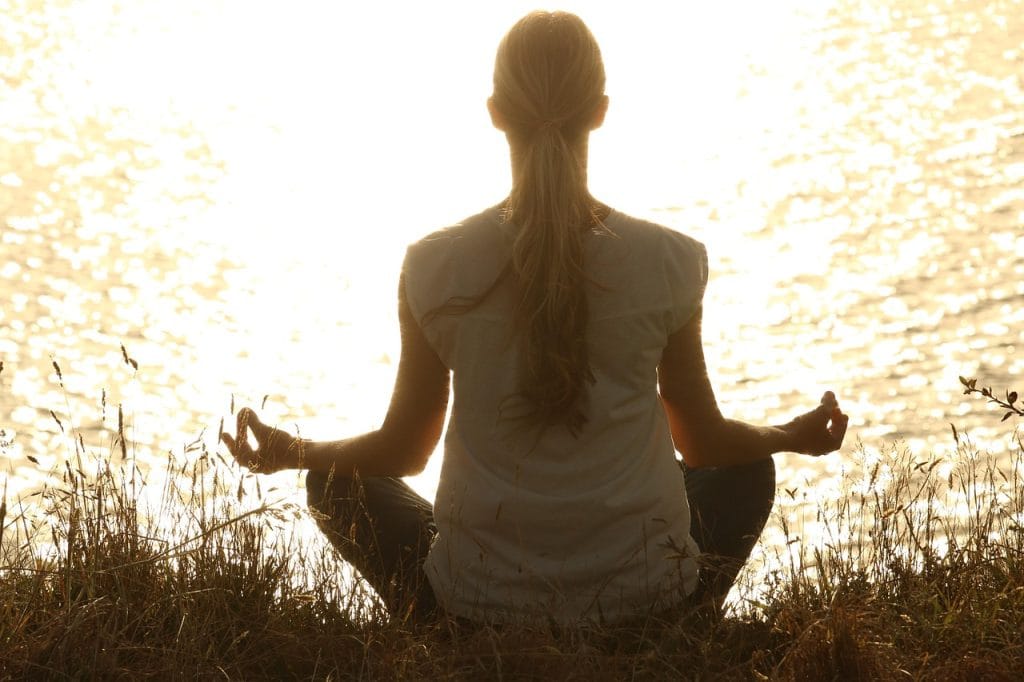
You don’t need experience to start. Here is a simple method:
- Sit comfortably in a quiet place
- Close your eyes
- Focus on your breathing
- When your mind wanders, gently bring it back
- Start with 5 minutes per day
That’s it. Consistency matters more than duration.
Common Mistakes Beginners Make
- Expecting instant results
- Trying to “stop thoughts” completely
- Giving up too quickly
- Meditating only when stressed
Meditation works best when it becomes a daily habit, even for a few minutes.
Conclusion: Small Habit, Big Impact
Meditation is one of the simplest and most accessible tools for improving mental clarity, emotional balance, and stress management.
You don’t need perfection—you just need consistency.
Even 5 minutes a day can create noticeable changes over time in how you think, react, and feel.
If you’re looking for a practical way to improve your quality of life, meditation is a strong place to start.
