Mother cats, often referred to as queens, hold a special place not only in the hearts of cat lovers but also within the feline community itself. This regal title, bestowed upon female cats who are either of breeding age or actively caring for their kittens, speaks volumes about the respect and importance these cats command. But why are these maternal felines given such a distinguished name? The answer lies in a blend of historical usage, etymological roots, and the inherent dignity and protective nature of mother cats. Understanding why mother cats are called queens offers a fascinating glimpse into the world of feline breeding and the reverence we have for these nurturing creatures.
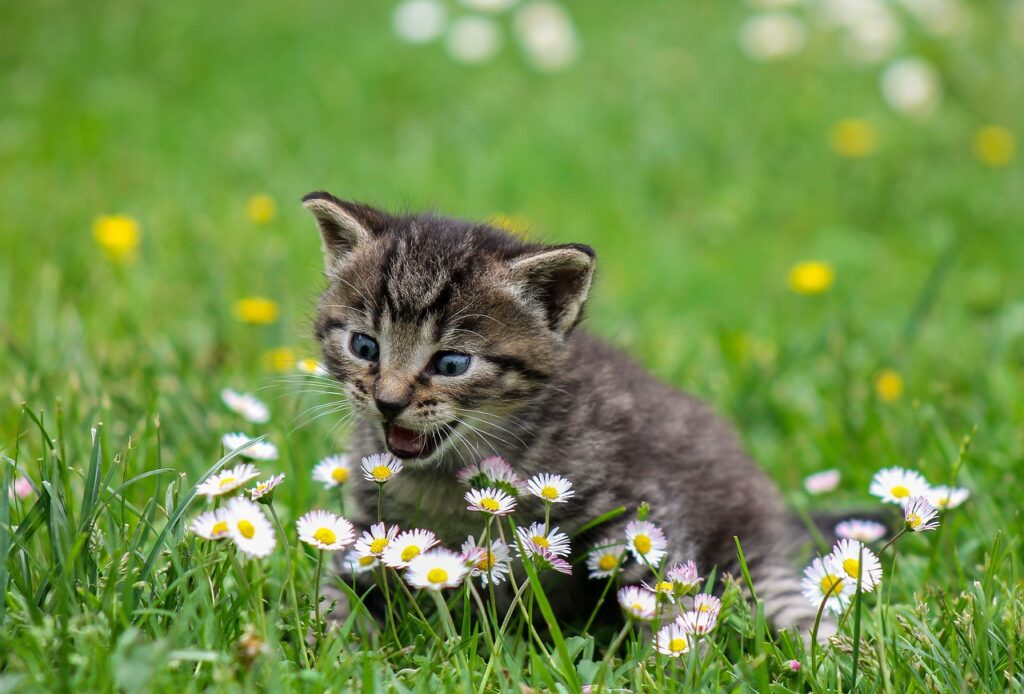
Mother cats are called queens because of historical and etymological reasons related to their role and status within feline breeding and care. The term “queen” reflects a sense of regality and respect towards the mother cat’s significant role in reproduction and nurturing.
Historically, in the world of cat breeding, the term “queen” has been used to denote a female cat, especially one that is of breeding age or actively raising kittens. This terminology likely stems from the high regard in which breeders hold these cats due to their importance in continuing and improving feline lines. Just as a human queen holds a place of prominence and reverence, a mother cat is seen as holding a central, respected role in the cat community.
Additionally, the term “queen” aligns with the natural behavior of mother cats. They often exhibit strong, protective, and nurturing characteristics, much like the esteemed qualities attributed to a queen. This regal title helps emphasize the dignity and importance of the maternal role in the feline world.
Regal Origins of Feline Terminology
The term “queen” used to describe mother cats has regal origins rooted in historical and cultural contexts. In the realm of cat breeding and care, language has always played a crucial role in emphasizing the respect and importance of these animals. Historically, the title of “queen” was chosen to reflect the high status and dignity associated with mother cats, akin to the reverence given to human queens.
This terminology likely emerged from the need to distinguish female cats, particularly those of breeding age or actively raising kittens, from other cats. By bestowing such a noble title, breeders and caretakers acknowledged the central role these cats played in the continuation and improvement of feline lines. The use of “queen” highlights the maternal responsibilities and the protective, nurturing qualities that mother cats exhibit, drawing a parallel to the esteemed position of a queen in human society.
Moreover, the regal terminology reinforces the idea that mother cats deserve a special place of honor and respect within the feline community. It reflects the admiration and reverence for their role in ensuring the survival and well-being of their offspring, much like how a queen is revered for her leadership and care for her people. Understanding these regal origins of feline terminology deepens our appreciation for the unique and significant role that mother cats play in the world of cats.
The Historical Context Behind the Term “Queen”
The term “queen” to describe mother cats is steeped in historical context, drawing from centuries-old traditions and linguistic evolution. This designation was not randomly chosen; it reflects a deep-seated respect for the maternal role in feline reproduction and care.
In medieval and early modern Europe, language around animals often mirrored human societal structures. Female cats, particularly those involved in breeding, were afforded the title “queen” to signify their importance and high status. This period saw a growing interest in animal breeding and husbandry, and specific terminology was developed to reflect the roles and functions of different animals within these practices.
The choice of the word “queen” is particularly telling. In human society, a queen is a figure of authority, respect, and nurturing. By referring to mother cats as queens, breeders and caretakers were acknowledging the central role these animals played in producing and caring for the next generation of cats. It was a way to elevate their status and recognize their contributions, much like how a queen’s contributions to her kingdom are honored.
Moreover, this terminology likely evolved alongside the development of cat breeding as a more formalized practice. As cats became more valued not just as companions but also as animals with specific breeding purposes, the language used to describe them became more specialized. Calling a mother cat a queen distinguished her from other cats and underscored her unique role within the breeding community.
Thus, the historical context behind the term “queen” is rooted in a combination of societal influences, linguistic development, and the practical realities of cat breeding. It is a testament to the high regard in which mother cats have been held throughout history, reflecting both their importance and the respect they command.
The Cultural Impact of Calling Mother Cats “Queens”
The cultural impact of calling mother cats “queens” extends beyond mere terminology, influencing perceptions and attitudes towards these animals in significant ways. This regal designation imbues mother cats with a sense of dignity and respect that resonates across various aspects of society and culture.
In literature and folklore, cats have long been associated with mystery, independence, and grace. By referring to mother cats as queens, storytellers and writers reinforce these attributes, elevating the maternal role to one of majesty and reverence. This portrayal helps shape the narrative around cats, emphasizing their importance and the respect they deserve, particularly in their role as nurturers and protectors of their young.
In the realm of popular culture, the term “queen” also plays a role in how cats are depicted in media and art. Mother cats are often shown as regal and commanding figures, mirroring the attributes of human queens. This imagery influences how people perceive and treat their own cats, encouraging a sense of admiration and care for these animals.
Moreover, the use of “queen” in everyday language affects how people interact with and care for mother cats. It promotes a view of these animals as valuable and important, deserving of special attention and treatment. This cultural perspective can lead to better care practices, as people are more likely to provide the necessary support and resources for mother cats and their kittens.
The impact of this terminology also extends to the realm of animal breeding and rescue. By acknowledging mother cats as queens, breeders and rescuers highlight the critical role these animals play in maintaining healthy and thriving feline populations. It fosters a culture of respect and appreciation, encouraging more humane and ethical practices in breeding and animal care.
Ultimately, calling mother cats “queens” reinforces a positive cultural attitude towards these animals. It underscores their importance, promotes respectful treatment, and enriches the way we understand and interact with cats in various cultural contexts. This term, steeped in history and significance, continues to shape our relationship with these remarkable animals, celebrating their unique contributions to both feline and human communities.
Conclusion
The term “queen” for mother cats is more than just a linguistic choice; it reflects a deep cultural and historical appreciation for these animals. Stemming from traditions that recognized the vital role of female cats in breeding and nurturing, this regal title underscores the dignity and respect these cats deserve. Over time, the use of “queen” has shaped cultural perceptions, influencing literature, art, and everyday interactions with cats. By honoring mother cats with such a distinguished title, we acknowledge their importance and foster a culture of respect and care. This terminology not only elevates our understanding of feline roles but also enriches our connection with these majestic creatures, celebrating their contributions to both their own species and to the human world.
