Whether you are an aspiring whiskey collector or just curious about whiskey, you might find yourself with questions about whiskey shelf life. How long whiskey can be stored is a more complex question than you might think. Read more to learn what you need to consider when storing your whiskey and how to store it properly for optimal shelf life.
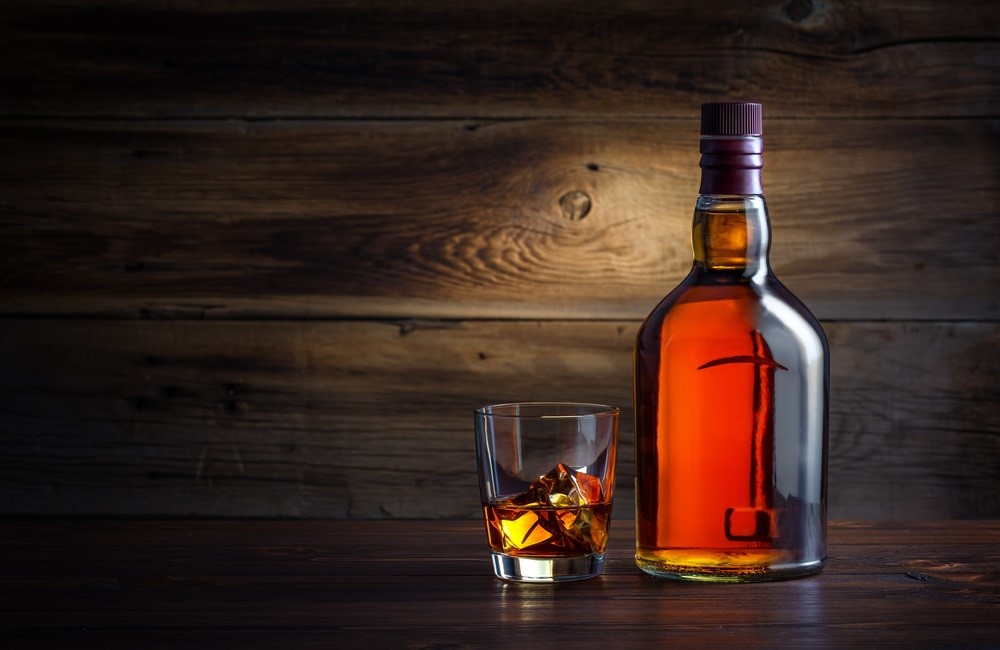
Does Whiskey Expire? Here’s What You Need to Know
One of the great things about whiskey is its remarkable ability to last for years without spoiling—when stored properly. Unlike perishable goods, whiskey has a virtually indefinite shelf life if left unopened. However, there are key factors to consider to ensure your whiskey maintains its quality over time.
Unopened Whiskey
Whiskey stored in a sealed bottle doesn’t age or degrade significantly. The alcohol content, typically above 40%, acts as a natural preservative, preventing the growth of bacteria or mold. As long as the bottle is kept upright in a cool, dark place away from direct sunlight and extreme temperatures, unopened whiskey can last decades—or even centuries—without spoiling.
Opened Whiskey
Once a bottle of whiskey is opened, the clock starts ticking. Exposure to air, light, and heat can gradually degrade the flavor and aroma. While the exact timeline depends on how the bottle is stored, most whiskey enthusiasts recommend consuming an opened bottle within 1 to 2 years for the best experience. If the bottle is nearly empty, with less whiskey and more air inside, oxidation can speed up the deterioration process.
Storage Tips to Maximize Shelf Life
- Keep it upright: Whiskey should always be stored upright to prevent the cork from degrading or coming into prolonged contact with alcohol, which could affect the taste.
- Avoid sunlight: Direct sunlight can cause the whiskey to lose its color and flavor over time.
- Maintain a stable temperature: Extreme heat or fluctuations in temperature can negatively impact the quality.
While whiskey doesn’t technically expire, its flavor and quality can diminish if not stored properly. By following these simple guidelines, you can ensure that your whiskey remains as enjoyable as the day it was bottled.
Whiskey Shelf Life: How Long Can Whiskey Be Stored?
Unopened Whiskey
Unopened whiskey, like other types of liquor, can be stored indefinitely. The alcohol content makes the whiskey resistant to the growth of bacteria, so it won’t spoil. In addition, there is no risk of oxidation if the bottle is unopened. You can head over to a craft distillery and stillhouse, buy that whiskey you’ve had your eye on, and save it on your shelf for a special occasion without worrying about it expiring.
How you store unopened whiskey strongly influences its shelf life, though. It will not continue to mature in the bottle, but it will slowly evaporate because of its cork seal. You must store it upright and never expose it to sunlight, which risks damaging the pigment, and lower temperatures are ideal to prevent extra evaporation. Once you take all of these precautions, unopened whiskey could last more than ten years in storage. Some company does angel’s envy rye review and have a piece of amazing information on the subject.
Opened Whiskey
Similar storage rules apply for opened whiskey, such as storing it away from light, keeping its temperature cool, and storing it upright. And once you open it, things get more complicated. Not only does open whiskey have a finite shelf life, but how long it will stay good depends on how much of the whiskey you’ve already poured. If you have open whiskey, you might consider decanting it into smaller bottles and sealing it better to increase its shelf life.
More Than Half-Full
Over time, whiskey will begin to oxidize from the oxygen in the empty part of the bottle. Once the whiskey is opened, the taste will begin to change, and whether it becomes better or worse is unpredictable. However, if you have a bottle of whiskey that is more than halfway full and stored properly, the shelf life is probably between one to two years (some say it could be up to five).
Less Than Half-Full
This is the type of whiskey that must be used or sealed. More oxygen in the bottle will cause the whiskey to oxidize more quickly. For example, if you have a bottle of whiskey that is about a quarter full, it could expire after around six months, so it’s best not to have several open bottles of whiskey at a time. Of course, remember to always drink responsibly and with moderation.
As you now know, how long whiskey stays good on the shelf depends on a few factors. It’s essential to store opened and unopened whiskey upright and away from light and significant temperature fluctuations, and you must take extra precautions for opened whiskey. But whiskey does last a long time, so don’t worry about buying an extra bottle.
How Long Can You Keep Whiskey Without Losing Quality?
Whiskey is known for its long shelf life, making it one of the most enduring spirits to store. However, the length of time you can keep whiskey without losing its quality depends on whether the bottle is opened or unopened and how it is stored.
Unopened Whiskey
Unopened whiskey can last indefinitely when stored under the right conditions. Because it contains a high alcohol content (typically 40% or more), whiskey is naturally resistant to spoilage. In fact, whiskey doesn’t age further in the bottle like wine; instead, it remains as it was when first bottled. To preserve the quality, store unopened whiskey upright in a cool, dark place, away from direct sunlight and extreme temperature changes.
Opened Whiskey
Once a bottle is opened, exposure to air begins to affect the whiskey. Oxidation slowly changes the flavor profile, and over time, the whiskey can lose its richness and complexity. To maintain its quality, it’s best to consume an opened bottle within 1 to 2 years. However, this timeframe can vary depending on how much whiskey is left in the bottle. A fuller bottle has less air, which means slower oxidation. Conversely, a nearly empty bottle will deteriorate more quickly.
Tips to Retain Quality
- Store whiskey upright to prevent the cork from degrading and affecting the flavor.
- Keep it in a cool, stable environment, ideally between 15–20°C (59–68°F).
- Avoid prolonged exposure to sunlight, as UV rays can impact the color and taste.
- For opened bottles, consider transferring the whiskey to smaller containers as the level decreases to minimize air exposure.
By following these tips, you can enjoy your whiskey’s full quality for years, whether the bottle is opened or sealed.
