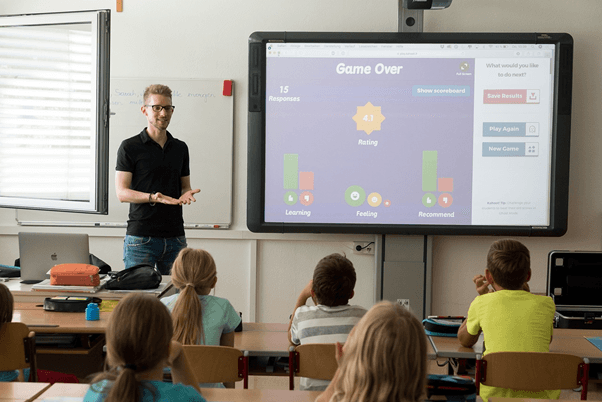
Active learning is more than just a buzzword in modern education—it’s a powerful approach that breathes life into classroom interactions and transforms passive listening into dynamic participation.
Traditional lecture methods often struggle to capture the attention and enthusiasm of students, but active learning flips this on its head, making the student an integral part of the learning process. Through techniques that encourage active engagement, such as group projects, interactive sessions, and hands-on activities, students become architects of their own learning experience.
In this article, we explore the profound impact of active learning on student engagement and success. From the way it strengthens communication skills to its role in boosting retention rates, the benefits of active learning extend well beyond the classroom walls.
As we delve into these ten key points, we’ll uncover how accredited programs that incorporate active learning are not just teaching students to pass exams but are equipping them with the skills necessary to thrive in the ever-evolving professional world.
Let’s explore how active learning is reshaping education and preparing students for a successful future.
- Accreditation and Active Learning
Accreditation is a critical factor for educational institutions as it ensures that a school or program meets certain standards of quality and rigor. For aspiring professionals pursuing an accredited online education degree, the integration of active learning techniques can be a game-changer. Accredited programs that incorporate active learning not only adhere to high academic standards but also provide participants with a learning environment that is engaging and interactive. This approach increases confidence and participation, knowing that their degree will be respected and valued in the professional world. Additionally, the active learning methods used in these programs help participants to apply theoretical knowledge in practical scenarios, thus enhancing their educational experience and preparing them for real-world challenges.
- Collaboration and Communication Skills
Active learning inherently promotes collaboration among students through group projects, discussions, and peer-to-peer learning activities. Such interactions are essential as they help students develop vital communication skills. These skills are crucial not only for academic success but also in professional settings where effective communication is key to career advancement.
- Critical Thinking and Problem-Solving
One of the hallmarks of active learning is its ability to enhance students’ critical thinking and problem-solving skills. Through activities that require analysis, evaluation, and synthesis of information, students learn to approach complex problems systematically and creatively. These skills are directly applicable to various academic disciplines and are highly sought after in the job market. Active learning tasks such as case studies, simulations, and real-life problem-solving exercises challenge students to use their cognitive skills intensively, thereby strengthening their ability to think critically and solve problems efficiently.
- Increased Motivation and Participation
Active learning strategies are particularly effective in increasing student motivation and participation. Traditional lecture methods can lead to passivity and disengagement, whereas active learning ensures that students are involved in the learning process. Techniques such as gamification, interactive quizzes, and hands-on projects make learning more enjoyable and engaging, which encourages students to take an active part in their own education. This increased involvement typically leads to better academic performance and higher overall satisfaction with the learning experience.
- Personalized Learning Experiences
Active learning also allows for the personalization of the educational experience, catering to the diverse needs, interests, and learning styles of individual students. Personalized learning paths can be designed using technology and flexible teaching approaches, enabling students to learn at their own pace and in ways that best suit them. This approach not only enhances engagement but also helps students achieve a deeper understanding of the material, as they can spend more time on concepts they find challenging and less on those they master quickly. Personalized learning ensures that all students achieve their potential, boosting confidence and promoting a positive attitude towards learning.
- Immediate Feedback and Improvement
One of the cornerstone benefits of active learning is the provision of immediate feedback. This feature is crucial as it allows students to understand their mistakes and correct them in real time, leading to a more effective learning process. In active learning environments, educators can quickly assess a student’s understanding through interactive activities like live polls or group discussions and provide on-the-spot feedback. This immediate response not only clarifies misconceptions but also reinforces learning by immediately addressing gaps in knowledge.
- Technology Integration in Learning
Technology plays a pivotal role in facilitating active learning. Digital tools such as virtual labs, simulation software, and interactive learning platforms enable students to engage with the material in innovative ways. For example, virtual reality (VR) can be used to simulate complex scientific processes that would be difficult to visualize otherwise, making the learning experience more tangible and memorable. Furthermore, online discussion boards and collaboration tools enhance communication among students, allowing for seamless exchange of ideas and fostering a sense of community.
- Improved Retention Rates
Active learning has a significant impact on student retention rates. This teaching approach promotes deeper understanding and longer-lasting learning because students are actively involved in the process. By engaging in hands-on activities, discussions, and problem-solving tasks, students are more likely to internalize and retain information. Studies have shown that students participating in active learning environments often perform better on assessments and retain the information for longer periods compared to those in traditional lecture settings.
- Development of Leadership Skills
Active learning also encourages the development of leadership skills. Many active learning activities require students to take initiative, make decisions, and lead discussions or projects. These opportunities help students develop key leadership qualities such as decisiveness, accountability, and the ability to motivate and direct others. Furthermore, the group-oriented nature of many active learning tasks fosters important leadership skills such as empathy, communication, and conflict resolution. These skills are invaluable not only in academic settings but also in the workplace, where effective leadership can significantly impact organizational success.
- Preparing for the Future Workforce
The dynamic nature of the future workforce requires adaptable and skilled individuals who can thrive in changing environments. Active learning prepares students for these demands by not only equipping them with technical skills and knowledge but also fostering soft skills such as adaptability, problem-solving, and teamwork. As industries continue to evolve with technological advancements and shifting economic landscapes, the ability to continuously learn and apply new knowledge efficiently becomes critical. Active learning environments, with their emphasis on practical, hands-on experiences, ensure that students are well-prepared to meet these challenges and succeed in their future careers.
Conclusion
The impact of active learning on student engagement and success is profound and multifaceted. By fostering an educational environment that emphasizes active participation, immediate feedback, and the integration of technology, active learning transforms the way students interact with knowledge. It not only improves academic outcomes by enhancing retention rates and developing critical skills but also prepares students for the complexities of the modern workforce. As educational institutions continue to seek effective ways to engage and educate, integrating active learning strategies will be key to ensuring that students are not just learning for the present but are also equipped to excel in the future.
