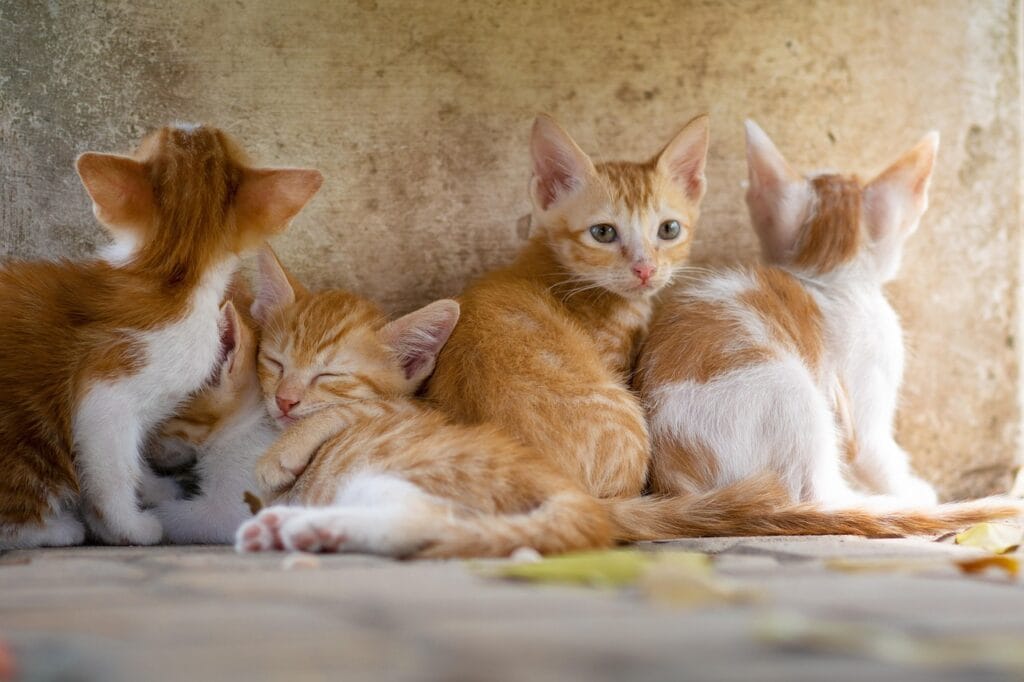
As winter approaches, outdoor cats—whether they’re beloved pets, community strays, or feral felines—face harsh conditions that can threaten their health and comfort. Heated cat houses provide a warm, safe sanctuary, protecting cats from freezing temperatures, wind, rain, and snow. This guide explores everything you need to know about heated cat houses for outdoor use, from their benefits and key features to top product recommendations and DIY tips. With insights from pet experts and real-world user experiences, this article will help you choose or build the perfect shelter to keep outdoor cats cozy and secure.
1. Why Heated Cat Houses Are Essential for Outdoor Cats
Outdoor cats, including ferals and strays, are vulnerable to hypothermia, frostbite, and stress in cold weather. Short-haired breeds and older cats with arthritis are particularly at risk, as they struggle to maintain body heat. A heated cat house offers a controlled, warm environment, reducing the energy cats expend to stay warm and helping prevent health issues. According to veterinarian Dr. Megan Conrad, “An outdoor cat house should be resistant to heat and cold and provide adequate shelter from the elements”. Heated models go further by ensuring consistent warmth, even in sub-zero temperatures.
Beyond health benefits, these shelters reduce stress by offering a secure, predator-free space. For community cats, heated houses are often a lifeline, especially in areas with extreme winters. They also allow caregivers to monitor colonies more effectively, as cats are drawn to the warmth. Posts on X highlight the relief caregivers feel knowing their outdoor cats have a heated sanctuary, with one user noting their barn cat is “happy as a clam” in a heated house.
2. Key Benefits of Heated Cat Houses
Heated cat houses provide multiple advantages for outdoor cats:
- Prevents Hypothermia and Frostbite: A heating pad or bed maintains a cat’s body temperature, crucial for short-haired or elderly cats.
- Reduces Stress: An enclosed, warm space feels safe, shielding cats from wind, rain, and predators.
- Improves Joint Health: Gentle warmth soothes arthritis in older cats, enhancing mobility.
- Energy Conservation: Staying warm burns calories. A heated house helps cats conserve energy, keeping them healthier.
- Supports Community Cats: For feral colonies, heated shelters are critical for survival when natural warmth sources are scarce.
These benefits make heated cat houses a worthwhile investment for pet owners and caregivers committed to outdoor cat welfare.
3. Essential Features to Look for in a Heated Cat House
Choosing the right heated cat house requires careful consideration of safety, durability, and cat comfort. Here are the must-have features, based on expert advice and user reviews:
- Insulation and Weatherproofing: Look for materials like heavy-duty polyester, Oxford cloth, or insulated foam to retain heat and block moisture. The Kitty Tube, for example, uses foam insulation and a waterproof shell.
- Safe Heating Elements: Opt for low-wattage (10–40 watts), MET or UL-certified heating pads with thermostatic controls that warm to a cat’s body temperature (95–108°F) and shut off when not in use.
- Two Exits: Dual doors prevent cats from being trapped by predators. Removable clear flaps protect against weather while allowing visibility.
- Elevated Design: A raised base (e.g., on bricks or a pallet) prevents moisture absorption and keeps the house dry.
- Easy Assembly and Cleaning: Tool-free assembly and removable floors or lids simplify maintenance. The K&H Outdoor Heated Kitty House features hook-and-loop fasteners for quick setup.
- Size Appropriateness: The house should be snug (e.g., 19” x 22” x 17” for one cat) to trap body heat but allow turning room. Extra-wide models suit multiple cats.
Additional features, like chew-resistant cords and transparent curtains, enhance safety and usability.
4. Top Heated Cat House Recommendations
Based on expert reviews, user feedback, and product specifications, here are four top-rated heated cat houses for outdoor use in 2025:
- K&H Outdoor Heated Kitty House ($100–$150): This 19” x 22” x 17” shelter features a 20-watt MET-certified heated bed, insulated polyester walls, and two exits with clear flaps. It’s ideal for single cats and easy to assemble. Users praise its durability in sub-zero temperatures, though some note the flaps may deter shy cats.
- Clawsable 2-Door Lift-Top Heated Cat House ($80–$120): Available in small, medium, and large sizes, this house has a sturdy iron frame, Velcro door flaps, and a cozy heating pad. Reviewers love its portability and ease of cleaning, with one noting feral kittens used it within 30 minutes.
- GOLOPET Heated Cat House ($120–$160): With an adjustable thermostat (80–130°F) and double doors, this all-season shelter is versatile. Its waterproof Oxford cloth and power failure protection make it a favorite for multi-cat setups.
- TURBRO Neighborhood CH17A ($90–$130): This model uses insulated PVC and a 14.7-foot corded heating pad. Its magnetic door flaps and foldable design suit small spaces. Users highlight its sturdy frame and windproof stakes.
These products balance affordability, safety, and cat comfort, with prices reflecting quality and features.
5. Safety Considerations for Heated Cat Houses
Safety is paramount when using heated cat houses. Follow these guidelines:
- Choose Certified Products: Ensure heating elements are MET or UL-certified to prevent electrical hazards. K&H products, for example, exceed USA/Canada safety standards.
- Inspect Cords: Use chew-resistant or cord-protected models to avoid electrical shocks. Place cords out of reach or use protective tubing.
- Monitor Placement: Position the house in a sheltered area (e.g., garage, porch, or under a roof) to minimize exposure to rain or snow.
- Regular Maintenance: Clean the house monthly, checking for frayed wires or damaged insulation. Wash removable covers per manufacturer instructions (e.g., K&H’s fleece cover is machine-washable).
- Avoid Overheating: Thermostatically controlled pads prevent overheating, but ensure cats can move off the pad if needed.
Consult a veterinarian for young kittens or cats with health issues, as they may need special precautions.
6. DIY Heated Cat House: A Step-by-Step Guide
Building a heated cat house is a rewarding, budget-friendly option. Here’s a simple DIY plan, adapted from expert advice on Tractive:
Materials Needed:
- Large plastic storage bin or plywood box (18” x 20” x 15”)
- Styrofoam sheets (1-inch thick)
- Straw for bedding
- Low-voltage, pet-safe heating pad (10–20 watts)
- Heavy plastic or fabric for door flaps
- Box cutter, tape, and glue
- Bricks or a wooden pallet for elevation
Steps:
- Insulate the Bin: Line the bin’s interior (sides, bottom, top) with Styrofoam, securing with glue or tape to trap heat.
- Add Bedding: Place a thick layer of straw (not hay, which retains moisture) on the floor for insulation and comfort.
- Cut Doorways: Use a box cutter to create one or two 6” x 8” entrances, sized for cats but not larger animals. Attach plastic flaps with Velcro to retain heat.
- Install Heating Pad: Secure a pet-safe, low-wattage heating pad to the floor, ensuring the cord exits safely through a small hole.
- Elevate the House: Place the bin on bricks or a pallet to prevent ground moisture.
- Place Strategically: Position in a quiet, sheltered spot (e.g., against a wall or in a garage) where cats feel secure.
Cost: $30–$60, depending on materials. Check Alley Cat Allies for detailed DIY plans.
7. Placement Tips for Maximum Effectiveness
Proper placement ensures cats use the house and stay safe:
- Quiet, Familiar Location: Place near where cats already gather, away from high-traffic areas.
- Sheltered Spot: Use a garage, barn, or porch to protect from wind and precipitation. If fully exposed, add a tarp or awning.
- Elevated Base: Raise 3–6 inches off the ground to avoid dampness.
- Secure Positioning: Use windproof stakes or weights for stability, as with the TURBRO model.
- Encourage Use: Sprinkle catnip or place familiar bedding inside to attract hesitant cats. One user noted it took three weeks for a feral cat to adopt a Clawsable house.
8. Caring for Feral and Stray Cats with Heated Houses
Heated cat houses are a cornerstone of Trap-Neuter-Return (TNR) programs, providing safe havens for feral colonies. They help caregivers monitor cat health and facilitate spaying/neutering efforts. Reddit’s TNR community praises models like the K&H Extra-Wide for their durability and appeal to ferals. To support community cats:
- Pair shelters with food and water stations, placed nearby but not inside to avoid attracting pests.
- Use straw bedding, which repels moisture, and clean weekly to maintain hygiene.
- Consider multi-cat shelters like The Kitty Tube, which can house 2–3 cats.
- Engage in TNR to control populations, as heated shelters alone don’t address overpopulation.
9. Energy Efficiency and Cost Considerations
Heated cat houses are energy-efficient, typically using 10–40 watts—comparable to a small light bulb. Thermostatic controls, like those in the AUPETEK model, activate only when needed, minimizing costs. Average monthly electricity costs range from $1–$3, depending on usage and local rates. For eco-conscious caregivers, solar-powered or battery-operated heating pads are emerging options, though less common. Budget-friendly models like the GDLF Heated Cat House ($70–$100) offer insulation and low-wattage pads for cost-effective warmth.
10. Troubleshooting Common Issues
Even the best heated cat houses face challenges:
- Cats Won’t Enter: Shy ferals may take weeks to adapt. Add catnip, familiar scents, or food near (not in) the house to build trust.
- Flaps Deter Cats: Some cats dislike vinyl flaps. Velcro them open initially or use flexible fabric.
- Moisture Buildup: Ensure proper elevation and ventilation. Add extra straw and check for leaks.
- Heating Pad Malfunction: Inspect cords monthly and replace damaged pads. Use only pet-safe, certified models.
- Predator Access: Ensure entrances are cat-sized (6” x 8”) and monitor for signs of intrusion.
11. Enhancing Comfort with Accessories
Boost the appeal of a heated cat house with:
- Straw Bedding: Provides insulation and repels moisture ($5–$10 per bale).
- Mylar Blankets: Reflect body heat for extra warmth ($2–$5).
- Catnip Toys: Encourage exploration ($3–$10).
- Awning or Tarp: Adds weather protection ($10–$20).
Avoid fabric bedding like towels, which traps moisture and freezes.
12. Community Impact and Ethical Considerations
Heated cat houses support ethical outdoor cat care by improving welfare without encouraging overpopulation. Pairing shelters with TNR programs, as advocated by Alley Cat Allies, ensures long-term benefits for communities and cats. X users share stories of feral cats thriving in heated houses, highlighting their role in fostering compassion and responsibility. Caregivers should also educate neighbors about TNR to reduce conflicts over stray populations.
13. Maintenance and Longevity
To extend a heated cat house’s lifespan (typically 3–5 years):
- Clean monthly, removing debris and refreshing straw.
- Store in a dry place during off-seasons to prevent wear.
- Check heating pads and cords before each winter for safety.
- Reinforce with weatherproof tape or vinyl stripping if leaks occur.
High-quality models like The Kitty Tube come with lifetime guarantees on their shells, ensuring durability.
14. Final Thoughts
Heated cat houses are a game-changer for outdoor cats, offering warmth, safety, and comfort in harsh conditions. Whether you choose a pre-built model like the K&H Outdoor Heated Kitty House or build your own, prioritize safety, insulation, and proper placement. These shelters not only protect individual cats but also support community efforts to care for ferals and strays humanely. As one X user noted, their heated cat house made their barn cat “toasty warm” even in 20°F weather. Invest in a heated cat house today to give outdoor cats the cozy refuge they deserve.