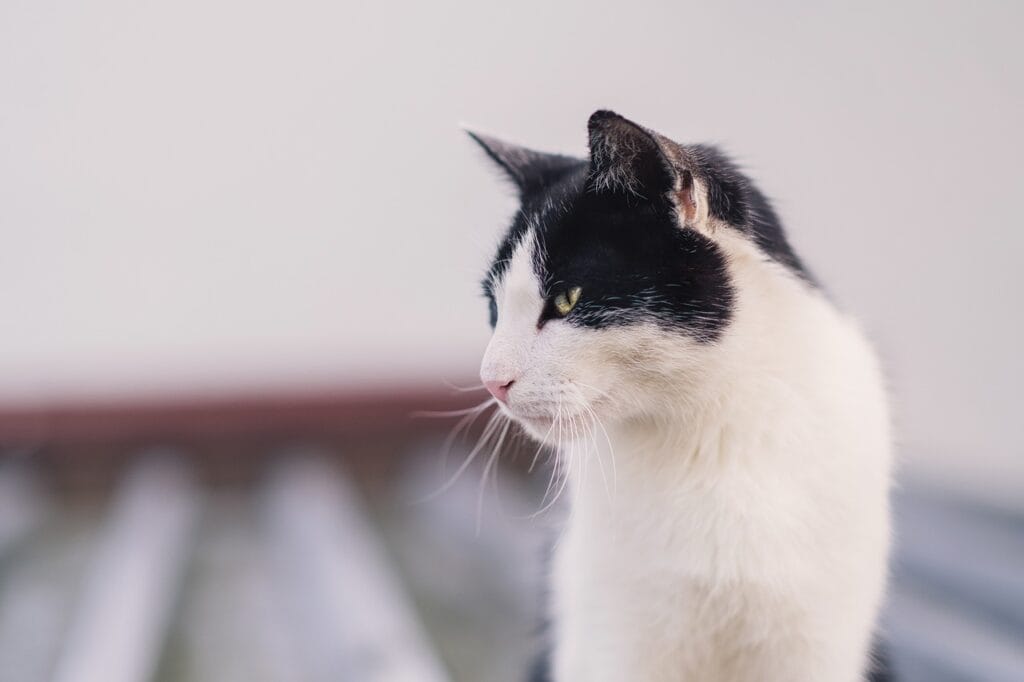
Cats are fastidious creatures, often praised for their natural inclination to use a litter box. So, when a cat starts peeing outside the litter box, it can be frustrating, confusing, and even alarming for pet owners. This behavior, known as inappropriate elimination, is one of the most common reasons cats are surrendered to shelters, yet it’s often a solvable issue with the right approach. This guide explores the reasons behind cats peeing outside the litter box, from medical to behavioral causes, and provides actionable solutions to restore harmony in your home. With insights from veterinarians, behaviorists, and real-world experiences shared on platforms like X, this article will help you understand and address this challenging behavior.
1. Understanding Inappropriate Elimination
Inappropriate elimination refers to a cat urinating or defecating outside their designated litter box, whether on carpets, furniture, beds, or other surfaces. While it may seem like a deliberate act of defiance, cats don’t pee outside the box out of spite. Instead, this behavior is a signal that something is wrong—physically, environmentally, or emotionally. According to Dr. Mikel Delgado, a certified cat behavior consultant, “Cats are trying to communicate a need or discomfort when they eliminate inappropriately.” Identifying the root cause is the first step to resolving the issue, and patience is key, as solutions may take weeks or months.
2. Medical Causes: Ruling Out Health Issues
Before assuming your cat’s behavior is behavioral, a veterinary visit is essential. Medical issues are a leading cause of inappropriate urination, and prompt diagnosis can prevent further discomfort. Common medical culprits include:
- Urinary Tract Infections (UTIs): Painful urination can cause cats to associate the litter box with discomfort, leading them to seek other surfaces. Symptoms include frequent urination, straining, or blood in urine.
- Bladder Stones or Crystals: These cause irritation and urgency, often resulting in accidents. X-rays or ultrasounds can confirm their presence.
- Kidney Disease: Common in older cats, this leads to increased urination and accidents. Look for excessive thirst or lethargy.
- Diabetes: Increased urination volume can overwhelm a cat’s ability to reach the box. Weight loss and increased appetite are red flags.
- Arthritis or Mobility Issues: Older cats may struggle to access high-sided boxes or distant litter boxes, causing them to urinate elsewhere.
Action Steps: Schedule a vet visit for a urinalysis, bloodwork, or imaging to rule out medical issues. Treatment may involve antibiotics, dietary changes, or pain management. One X user shared that their cat’s bed-wetting stopped after treating a UTI, highlighting the importance of medical checks.
3. Litter Box Setup: Is It Cat-Friendly?
Cats are particular about their litter boxes, and an unsuitable setup can trigger avoidance. Evaluate these factors:
- Number of Boxes: The golden rule is one box per cat plus one extra. For two cats, provide three boxes to prevent territorial issues.
- Size and Accessibility: Boxes should be 1.5 times the cat’s length. Senior or arthritic cats need low-entry boxes (e.g., 4–6 inches high). The Petmate Open Cat Litter Pan is a popular low-sided option.
- Location: Place boxes in quiet, low-traffic areas with easy access. Avoid cramped corners, basements, or areas near loud appliances like washing machines.
- Cleanliness: Cats dislike dirty boxes. Scoop daily, change litter weekly, and wash the box monthly with mild soap. Avoid strong-smelling cleaners, which can deter cats.
- Covered vs. Uncovered: Covered boxes trap odors and feel confining. Many cats prefer open boxes, like the Van Ness High Sides Cat Litter Pan, for better ventilation and visibility.
Action Steps: Add more boxes, switch to low-sided or open designs, and ensure they’re in accessible, quiet spots. Experiment with placement—one user found moving a box from the laundry room to a hallway stopped their cat’s accidents.
4. Litter Type: Finding the Right Fit
Litter texture, scent, and material matter to cats. A litter they dislike can lead to avoidance. Common issues include:
- Scented Litter: Perfumed litters mask odors for humans but can overwhelm a cat’s sensitive nose.
- Texture: Some cats reject coarse or pellet-based litters, preferring fine, clumping clay like Dr. Elsey’s Precious Cat Ultra.
- Dust: Dusty litters can irritate a cat’s respiratory system, causing discomfort.
- Sudden Changes: Switching brands abruptly can confuse cats, leading to rejection.
Action Steps: Offer multiple boxes with different litters (e.g., clumping clay, pine, or silica) to test preferences. Transition to a new litter gradually over 7–10 days by mixing old and new. Unscented, clumping clay is a safe bet for most cats. A Reddit user reported success after switching to World’s Best Cat Litter, noting their cat stopped urinating on rugs.
5. Stress and Behavioral Triggers
Cats are sensitive to environmental changes, and stress is a major cause of inappropriate elimination. Common triggers include:
- Household Changes: Moving, new pets, or new family members can disrupt a cat’s sense of security.
- Inter-Cat Tension: Multi-cat households may face territorial disputes, especially if boxes are shared or scarce.
- Boredom or Anxiety: Lack of stimulation or separation anxiety can manifest as marking or accidents.
- External Stressors: Stray cats outside, loud noises, or construction can unsettle indoor cats.
Action Steps: Identify and minimize stressors. Provide hiding spots, perches, and interactive toys to reduce anxiety. Use Feliway diffusers ($20–$40), which release calming pheromones, to create a soothing environment. One X user noted Feliway helped their cat stop marking after a move.
6. Territorial Marking vs. Elimination
Spraying (urinating on vertical surfaces like walls) is distinct from inappropriate elimination (urinating on horizontal surfaces like floors). Spraying is often a territorial or stress response, common in unneutered cats or those feeling threatened. Elimination, however, typically signals medical or litter box issues.
Action Steps: Spay or neuter your cat to reduce spraying. Clean marked areas with enzymatic cleaners like Nature’s Miracle ($10–$15) to remove odor triggers. If spraying persists, consult a behaviorist to address underlying stress.
7. Cleaning Up Accidents Effectively
Cat urine odors linger, encouraging repeat accidents if not cleaned properly. Avoid ammonia-based cleaners, which mimic urine’s smell. Instead, use enzymatic cleaners that break down odor-causing proteins. Steps include:
- Blot fresh urine with paper towels to absorb as much as possible.
- Apply an enzymatic cleaner (e.g., Rocco & Roxie Stain & Odor Eliminator) and let it sit for 10–15 minutes.
- Blot dry and vacuum or mop the area.
- For carpets or furniture, use a blacklight to detect hidden stains.
Action Steps: Clean accidents immediately and block access to affected areas with furniture or plastic mats until the behavior stops. One user on X praised Nature’s Miracle for eliminating odors on a couch, preventing further incidents.
8. Environmental Enrichment to Reduce Stress
A stimulating environment keeps cats mentally and physically engaged, reducing stress-related elimination. Enrich your cat’s space with:
- Vertical Space: Cat trees or shelves allow climbing and observation, boosting confidence.
- Interactive Toys: Puzzle feeders or wand toys like the Cat Dancer engage hunting instincts.
- Scratching Posts: Provide multiple posts to satisfy scratching needs and mark territory non-destructively.
- Windows: Window perches let cats watch birds or outdoor activity, alleviating boredom.
Action Steps: Add one new enrichment item weekly, such as a $20 cat tree from Chewy. Rotate toys to maintain interest. A Reddit user found that a window perch stopped their cat’s stress-related accidents by providing entertainment.
9. Training and Positive Reinforcement
Retraining a cat to use the litter box requires patience and positive reinforcement. Avoid punishment, which increases stress and worsens the problem. Instead:
- Confine Temporarily: Place the cat in a small, quiet room (e.g., a bathroom) with food, water, and a clean litter box for 1–2 weeks to reestablish habits.
- Reward Box Use: Offer treats or praise when the cat uses the box. Catnip near the box can also encourage exploration.
- Gradual Reintroduction: Slowly expand the cat’s access to the house, monitoring for accidents.
Action Steps: Use high-value treats like freeze-dried chicken ($5–$10) to reward box use. One X user shared that confining their cat to a spare room with two boxes resolved accidents within 10 days.
10. Special Considerations for Multi-Cat Households
In multi-cat homes, competition for resources can cause elimination issues. Cats may feel territorial over shared boxes or stressed by dominant peers. Solutions include:
- Separate Resources: Provide multiple boxes in different locations, ensuring each cat has access without confrontation.
- Monitor Dynamics: Watch for bullying or resource guarding. Separate cats during feeding or play if tensions arise.
- Scent Sharing: Rub a cloth on each cat’s cheeks and swap between them to blend scents, reducing territoriality.
Action Steps: Add one extra box per cat and place them in distinct areas. Use Feliway Multi-Cat diffusers to ease tensions. A Reddit user reported success after adding a third box for two cats, stopping accidents on a guest bed.
11. Addressing Specific Surfaces (Beds, Couches, Rugs)
Cats may target specific surfaces due to texture, scent, or accessibility. Beds and couches are soft and absorbent, mimicking litter, while rugs may retain odors. To deter use:
- Block Access: Close bedroom doors or cover furniture with plastic sheets or aluminum foil, which cats dislike.
- Change Texture: Place double-sided tape or a Scat Mat ($15–$30) on targeted areas to make them unappealing.
- Provide Alternatives: Offer a similar-textured litter, like soft clay, to mimic preferred surfaces.
Action Steps: Cover beds with waterproof mattress protectors ($20–$40) and add a new box nearby. One user on X found that tape on a rug stopped their cat’s accidents within days.
12. When to Consult a Professional
If medical and environmental fixes don’t work, a certified cat behaviorist or veterinary behaviorist can help. They assess complex cases, such as chronic stress or inter-cat aggression, and create tailored plans. Expect costs of $100–$500 for consultations, depending on expertise and location.
Action Steps: Find a behaviorist through the International Association of Animal Behavior Consultants (iaabc.org). Share vet records and a detailed history of the issue. One Reddit user credited a behaviorist for resolving their cat’s persistent spraying after months of failed attempts.
13. Preventing Future Issues
Once the behavior stops, maintain good habits to prevent recurrence:
- Keep litter boxes clean and plentiful.
- Monitor for stress triggers, like new pets or home changes.
- Schedule annual vet checkups to catch health issues early.
- Continue environmental enrichment to keep your cat engaged.
Action Steps: Set a scooping schedule and use a litter box maintenance app like Litter-Robot’s Connect to track usage. Regular vet visits caught early diabetes in one user’s cat, preventing further accidents.
14. Final Thoughts
A cat peeing outside the litter box is a cry for help, not a personal slight. By ruling out medical issues, optimizing the litter box setup, reducing stress, and cleaning thoroughly, you can address this behavior effectively. Patience and consistency are crucial—many cats return to proper box use within weeks with the right interventions. As one X user shared, “After a vet visit and a new box, my cat’s back to normal, and my carpets are safe!” With the strategies outlined here, you can restore your cat’s litter box habits and maintain a happy, healthy home.
For more resources, visit the ASPCA (aspca.org) or consult resources like The Cat Behavior Answer Book by Arden Moore. Happy caregiving!
