Bearded dragons, affectionately known as “beardies,” are among the most popular pet reptiles in the world. Their docile nature, manageable size, and quirky personalities make them a fantastic choice for both novice and experienced reptile enthusiasts.
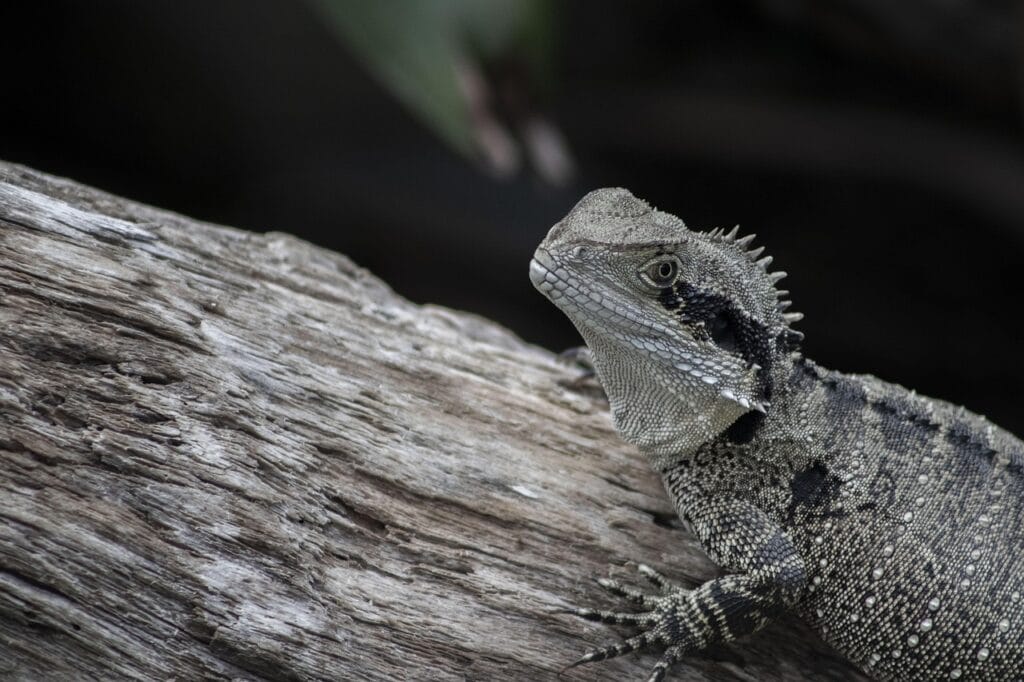
Native to the arid regions of Australia, these lizards have adapted to thrive in a variety of environments, which makes them relatively easy to care for with the right knowledge. In this guide, we’ll explore everything you need to know about bearded dragon care, from their habitat setup to their dietary needs and social behaviors. Let’s dive into the fascinating world of bearded dragons with these ten key topics.
1. Understanding Bearded Dragons
Bearded dragons (Pogona species) are medium-sized lizards that get their name from the spiky, expandable throat pouch that resembles a beard. This “beard” can puff up and darken when they feel threatened or during courtship. They typically grow to 18-24 inches in length, including their tail, and can live for 10-15 years with proper care. Their calm demeanor and curious nature make them great pets, but they do require specific conditions to stay healthy. Knowing their natural behaviors—such as basking, burrowing, and occasional brumation (a hibernation-like state)—is the first step to providing excellent care.
In the wild, bearded dragons inhabit deserts, woodlands, and scrublands, so they’re accustomed to warm, dry climates. They’re diurnal, meaning they’re active during the day, which aligns well with most owners’ schedules. Their expressive faces and tendency to “wave” (a slow arm movement) or “head bob” add to their charm, making them seem almost dog-like at times.
2. Setting Up the Perfect Habitat
A proper enclosure is critical for your bearded dragon’s health. For a single adult, a 40-75 gallon glass terrarium (at least 48 inches long) is ideal. Juveniles can start in a smaller tank, but they’ll need more space as they grow. The tank should have a secure lid to prevent escapes and maintain humidity levels.
The substrate, or bedding, should be safe and easy to clean. Reptile carpet, ceramic tiles, or paper towels work well, while loose substrates like sand can cause impaction if ingested. Include climbing branches, rocks, and a hide for security. Bearded dragons love to explore, so give them a variety of textures and levels to keep them engaged.
3. Temperature and Lighting Needs
Bearded dragons are ectothermic, meaning they rely on external heat sources to regulate their body temperature. Your tank should have a basking spot with a temperature of 95-110°F (35-43°C) for adults, slightly warmer for juveniles. The cooler side of the tank should stay between 75-85°F (24-29°C). At night, temperatures can drop to 65-75°F (18-24°C). Use a high-quality digital thermometer to monitor these zones.
Lighting is equally important. Bearded dragons need UVB light to synthesize vitamin D3, which helps them absorb calcium and prevent metabolic bone disease. A 10-12% UVB tube light, replaced every 6-12 months, should span most of the tank’s length. Pair this with a basking bulb for heat, and maintain a 12-14 hour light cycle to mimic their natural day-night rhythm.
4. Feeding Your Bearded Dragon
Bearded dragons are omnivores, requiring a balanced diet of insects, vegetables, and occasional fruits. Juveniles need more protein to support growth, so offer them crickets, dubia roaches, or small mealworms daily, dusted with calcium powder 4-5 times a week. Adults shift toward a veggie-heavy diet, with insects making up about 20-30% of their meals.
Safe vegetables include collard greens, kale, carrots, and bell peppers, chopped finely to prevent choking. Fruits like berries or mango can be given sparingly as treats. Avoid toxic foods like avocado or rhubarb. Always provide fresh, dechlorinated water in a shallow dish, though beardies often get hydration from their food. Feed adults once a day and juveniles 2-3 times, adjusting portions based on their appetite.
5. Handling and Bonding
One of the reasons bearded dragons are so popular is their tolerance for handling. Start by letting your dragon get used to your presence, moving slowly to avoid startling them. Scoop them up gently from below, supporting their body, and avoid grabbing their tail, which can cause stress. Regular, short handling sessions (10-15 minutes) help build trust, especially with younger dragons.
Each dragon has its own personality—some love to cuddle, while others are more independent. Pay attention to their body language: a puffed-up beard or hissing means they’re stressed, while a relaxed posture or closed eyes during handling signals comfort. Bonding takes time, so be patient and consistent.
6. Health and Common Issues
Keeping your bearded dragon healthy involves regular observation and a clean environment. Common health issues include metabolic bone disease (from insufficient UVB or calcium), respiratory infections (from improper temperatures or humidity), and impaction (from ingesting substrate or overfeeding). Signs of illness include lethargy, weight loss, unusual stool, or swollen limbs. If you notice these, consult a reptile-savvy veterinarian promptly.
Routine care includes cleaning the tank weekly, removing uneaten food daily, and checking for parasites like mites. Annual vet checkups can catch potential problems early. Maintaining proper husbandry—temperature, lighting, and diet—prevents most issues, so stay vigilant.
7. Enrichment and Mental Stimulation
Bearded dragons are intelligent and curious, so enrichment keeps them happy. Provide a variety of climbing structures, tunnels, and basking spots to encourage exploration. Rotate toys like ping-pong balls or safe, chewable items to spark their interest. Some owners even use leashes for supervised outdoor time in warm weather, letting their dragons experience natural sunlight (with shade available).
Change up their food presentation—scatter veggies or use feeding tongs to mimic hunting. Avoid overstimulating them, as too much activity can cause stress. Watch their behavior: a dragon that’s active and alert is likely content, while one that hides constantly may need a calmer environment.
8. Brumation and Seasonal Changes
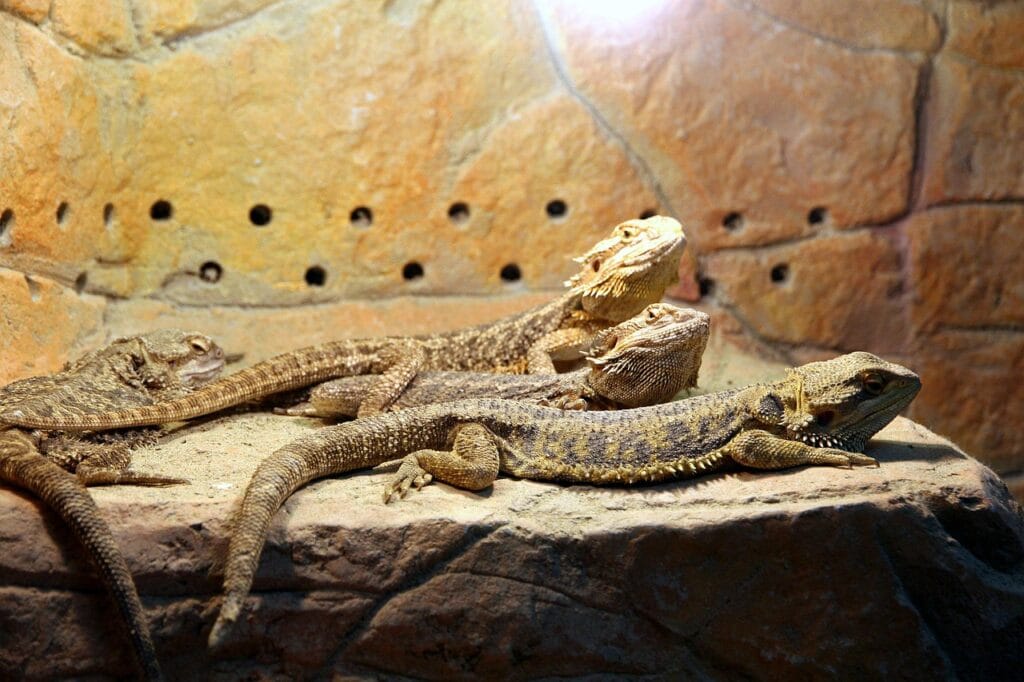
Brumation is a natural process where bearded dragons slow down, eat less, and sleep more, usually in cooler months. It’s more common in adults and may last a few weeks to months. Signs include reduced appetite, lethargy, and hiding. If your dragon is healthy (no recent weight loss or illness), allow them to brumate by lowering tank temperatures slightly and reducing light hours.
Keep fresh water available and monitor their weight weekly. If they lose significant weight or seem unwell, consult a vet, as underlying issues can mimic brumation. Not all dragons brumate every year, so don’t force it—let their instincts guide the process.
9. Breeding and Reproduction
Breeding bearded dragons is a serious commitment and should only be done by experienced keepers with a plan for the offspring. Males and females can be housed together only during mating, as cohabitation often leads to stress or aggression. Females lay clutches of 15-30 eggs, which require an incubator set at 80-85°F (27-29°C) for 60-70 days.
Hatchlings need specialized care, including smaller enclosures, frequent feedings, and strict temperature control. Be prepared for the time and cost involved, and ensure you have homes for the babies. If you’re not breeding, keep dragons separate to avoid unwanted clutches, as egg-laying can strain a female’s health.
10. Choosing Your Bearded Dragon
When selecting a bearded dragon, look for a healthy, alert lizard with clear eyes, no visible injuries, and a plump (but not obese) body. Avoid dragons with signs of lethargy, thin tails, or sunken eyes, as these may indicate illness. Reputable breeders or reptile rescues are better options than pet stores, as they often provide healthier animals and detailed care histories.
Consider the dragon’s age and morph (color/pattern variation). Juveniles require more intensive care but are easier to bond with, while adults may be calmer but have established habits. Morphs like citrus or hypo can be pricier but don’t affect care needs. Choose based on your experience level and commitment.
Is a Bearded Dragon a Good Pet?
Bearded dragons are excellent pets for those willing to meet their needs. Their docile, friendly nature makes them ideal for beginners and experienced reptile owners alike. They’re diurnal, so they’re active during the day, aligning with most people’s schedules. Beardies tolerate handling well, often enjoying gentle interaction, which makes them great for families or individuals seeking a low-maintenance yet engaging pet.
They don’t require daily walks or constant attention like dogs but need a proper setup—tank, UVB lighting, and heating—to thrive. Their diet, a mix of insects and vegetables, is straightforward but requires consistency. They’re hardy when cared for properly, with minimal health issues if husbandry is correct.
However, they’re not cuddly like mammals and need specific environmental conditions, which can be a commitment. Space is another factor: adults need a 40-75 gallon tank. If you’re prepared to invest time in setup and daily care, their quirky behaviors—like waving or head-bobbing—and expressive personalities make them rewarding companions. They’re not overly demanding, but they’re not “easy” pets either—research and dedication are key.
How Much Does It Cost to Buy a Bearded Dragon?
The cost of a bearded dragon varies based on age, morph, and source. Basic morphs from pet stores or breeders Stuart Bearded Dragon (BD) prices typically range from $30-$100 for juveniles. Specialty morphs (e.g., citrus, hypo) from reputable breeders can cost $100-$500 or more, depending on rarity. Hatchlings are cheaper, around $20-$50, but require more care. Adults may cost $50-$200, reflecting their established health.
Initial setup is the biggest expense: a 40-75 gallon tank ($100-$300), UVB lighting ($30-$70), basking bulb ($10-$20), substrate ($10-$30), and decor ($20-$50). Total setup costs can hit $200-$500. Ongoing expenses include food—crickets, roaches, or worms ($10-$20/month) and vegetables ($5-$10/month)—plus calcium supplements ($10-$15). Electricity for heating and lighting adds $10-$30 monthly, depending on usage.
Vet visits, if needed, range from $50-$150, with reptile specialists being pricier. Buying from reputable breeders ensures healthier dragons, potentially saving on future vet bills, while pet store dragons may be cheaper but riskier. Rescues offer adults for $20-$100, often with basic supplies. Overall, expect $300-$800 upfront and $30-$50 monthly for care.
Do Bearded Dragons Cuddle You?
Bearded dragons don’t cuddle in the mammalian sense, but they can be affectionate in their own way. Their calm, docile nature makes them one of the most handleable reptiles. With regular, gentle interaction, they often enjoy sitting on your shoulder or lap, basking in your body heat. Some owners describe their beardies as “lap lizards” because they’ll relax during handling, sometimes closing their eyes—a sign of trust.
However, this isn’t cuddling like a dog seeking affection; it’s more about feeling secure in your presence.
Each dragon’s personality varies: some love human interaction, while others are more aloof. Building trust takes time—start with short sessions, supporting their body10-15 minutes daily, avoiding sudden movements. They don’t crave emotional connection, so don’t expect snuggling in the human sense, but their tolerance for closeness makes them uniquely charming.
Should I Get a Leopard Gecko or a Bearded Dragon?
Choosing between a leopard gecko and a bearded dragon depends on your lifestyle and preferences. Bearded dragons are diurnal, active during the day, and grow to 18-24 inches, needing a 40-75 gallon tank, UVB lighting, and a diet of insects and vegetables. They’re docile, handleable, and live 10-15 years, but their setup costs $200-$500, with $30-$50 monthly maintenance. They suit those wanting an interactive, daytime pet but require space and commitment.
Leopard geckos are nocturnal, smaller (8-10 inches), and need a 20-gallon tank, no UVB, and a simpler insect-only diet. They’re low-maintenance, with setups costing $100-$300 and $20-$40 monthly. They live 10-20 years but are less interactive, hiding during the day. They’re ideal for beginners or those with limited space.
If you want a pet you can handle and observe daytime behaviors, choose a bearded dragon. If you prefer a low-key, space-saving lizard active at night, go for a leopard gecko. Consider time, budget, and engagement level—beardies demand more effort but offer unique personalities.
What Is the Friendliest Lizard in the World?
Bearded dragons are often considered the friendliest lizards due to their calm, docile temperament and tolerance for handling. Unlike many reptiles, they rarely bite or show aggression when properly socialized, making them ideal for beginners and families. They enjoy human interaction, often sitting comfortably on shoulders or laps, and their expressive behaviors—like arm-waving or head-bobbing—add charm. Other contenders include blue-tongued skinks, which are also gentle but less handleable, and crested geckos, which are low-maintenance but skittish.
Leopard geckos are easygoing but nocturnal and less interactive. Bearded dragons stand out for their diurnal nature, allowing daytime bonding, and their hardy constitution, which reduces stress-related behaviors. With a proper setup—40-75 gallon tank, UVB, and 95-110°F basking spot—they thrive for 10-15 years, offering consistent, friendly companionship. Their ability to trust humans, shown by relaxed postures or closed eyes during handling, makes them uniquely approachable among lizards.
What Is the Lifespan of a Bearded Dragon?
Bearded dragons typically live 10-15 years in captivity with proper care, though some reach 18 years under optimal conditions. Their lifespan depends on factors like diet, environment, and veterinary care. A balanced diet—juveniles need daily insects (crickets, roaches) with calcium dusting, while adults eat 70% vegetables (collards, carrots)—ensures proper nutrition. A 40-75 gallon tank with a 95-110°F basking spot, 75-85°F cool zone, and 10-12% UVB lighting prevents metabolic bone disease, a common lifespan limiter. Regular tank cleaning and fresh water reduce infection risks. Stress from improper handling or cohabitation can shorten life, so provide hides and gentle interaction. Annual vet checkups catch issues like parasites or respiratory infections early.
In the wild, they live 5-8 years due to predators and harsh conditions, but captivity’s stability extends their years. Quality care—consistent temperatures, UVB replacement every 6-12 months, and a varied diet—maximizes their longevity, letting owners enjoy their quirky, friendly companion for over a decade.
Final Thoughts
Owning a bearded dragon is a rewarding experience that comes with responsibilities. By providing a proper habitat, balanced diet, and attentive care, you’ll help your beardie thrive for years. Their quirky behaviors—like waving, basking dramatically, or chasing crickets—make every day entertaining. Stay curious about their needs, observe their unique personality, and you’ll build a strong bond with your scaly friend. Whether you’re a first-time owner or a seasoned keeper, the joy of caring for a bearded dragon is unmatched.
Sources:
Reptiles Magazine – Bearded Dragon Care Sheet
VCA Animal Hospitals – Bearded Dragons – Owning
